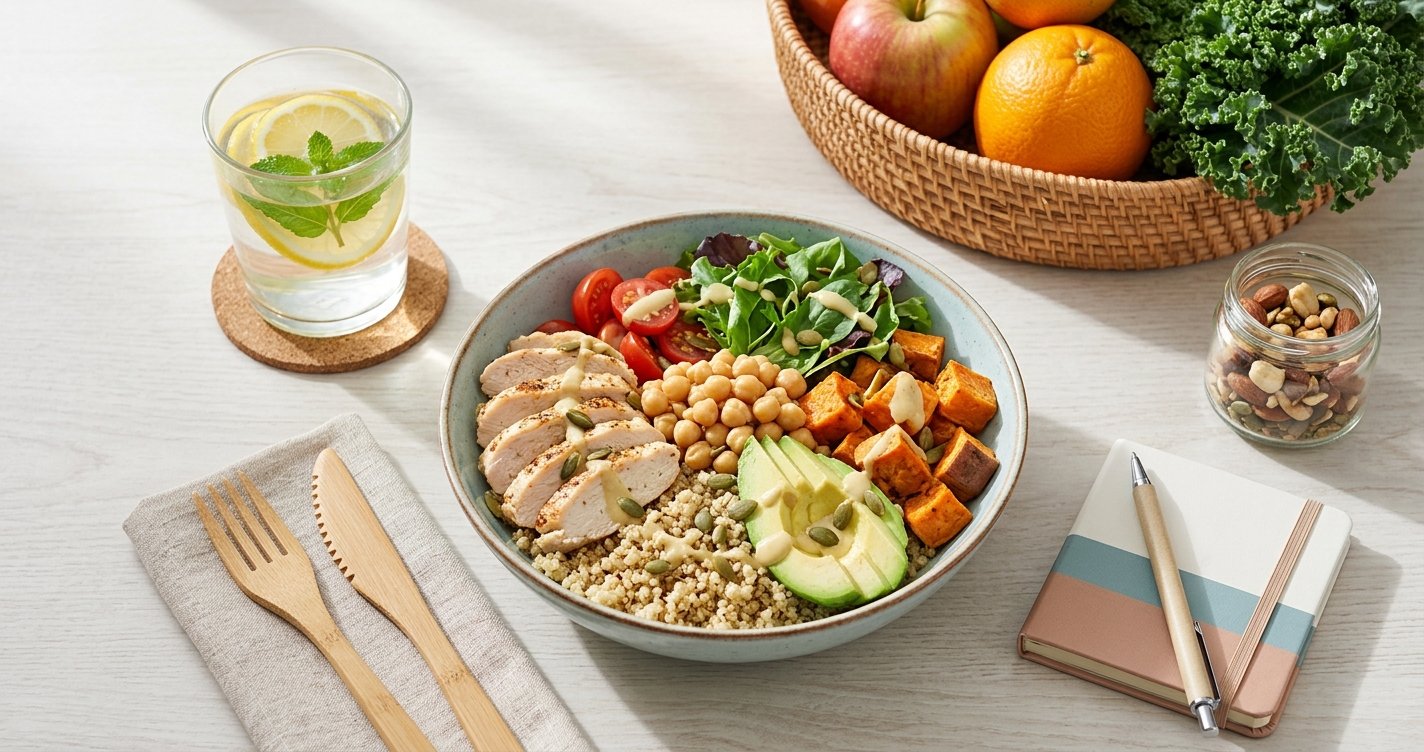
Are you tired of the endless cycle of crash diets, restrictive eating, and the frustrating yo-yo effect that leaves you feeling defeated? You're not alone. Many people embark on a fat loss journey with enthusiasm, only to find themselves struggling to maintain results because the methods weren't, well, sustainable.
The good news? Achieving and maintaining a leaner, healthier body doesn't have to involve deprivation or extreme measures. It's about adopting sustainable nutrition strategies that nourish your body, satisfy your cravings, and fit seamlessly into your life. This isn't about a quick fix; it's about building a foundation for long-term success. Let's explore how you can make lasting changes that truly work! this excellent wellness product
The Foundation: Understanding Your Caloric Needs (Without Obsession)
At its core, fat loss boils down to one fundamental principle: consuming fewer calories than your body expends. This is known as creating a calorie deficit. However, this doesn't mean you need to obsessively count every single calorie or starve yourself!
Calorie Deficit: The Non-Negotiable Truth
Think of it like a budget. If you spend more money than you earn, you go into debt. If you consume more energy (calories) than your body uses, that excess energy is stored, often as fat. To lose fat, you need to consistently consume slightly less energy than your body needs. A modest deficit of 300-500 calories per day is often recommended for sustainable fat loss, aiming for a healthy rate of 1-2 pounds per week.
The key here is sustainable. An extreme deficit might lead to rapid initial weight loss, but it's often accompanied by muscle loss, nutrient deficiencies, fatigue, and an increased likelihood of rebound weight gain once the diet ends.
Beyond Counting: Focus on Quality
While a calorie deficit is essential, not all calories are created equal when it comes to satiety, nutrient density, and your body's overall response. 100 calories from a sugary drink will impact your body differently than 100 calories from an apple, even though the calorie count is the same. Focusing on nutrient-dense, whole foods naturally helps you create a deficit without feeling deprived.
Power Up with Protein: Your Satiety & Muscle Ally
If there's one macronutrient to prioritize for fat loss, it's protein. Protein is an absolute powerhouse for several reasons:
- Satiety: Protein is incredibly filling. Including adequate protein in your meals helps you feel fuller for longer, reducing the urge to snack unnecessarily.
- Muscle Preservation: When you're in a calorie deficit, your body can sometimes break down muscle tissue for energy. A higher protein intake helps protect your precious muscle mass, which is crucial because muscle burns more calories at rest than fat does.
- Thermic Effect of Food (TEF): Protein has a higher TEF than carbs or fats. This means your body expends more energy (calories) digesting and metabolizing protein.
Aim to include a lean protein source in every meal. Great options include chicken breast, turkey, fish, lean beef, eggs, Greek yogurt, cottage cheese, tofu, lentils, and beans.
Embrace Fiber: The Unsung Hero of Fullness and Gut Health
Fiber is another critical component often overlooked in fat loss strategies. It plays a vital role in:
- Satiety: Like protein, fiber adds bulk to your meals without adding many calories, helping you feel full and satisfied.
- Digestion and Blood Sugar Control: Soluble fiber slows down digestion, which helps stabilize blood sugar levels, preventing spikes and crashes that can lead to cravings. Insoluble fiber aids in healthy bowel movements.
- Gut Health: Fiber acts as food for your beneficial gut bacteria, promoting a healthy microbiome, which is increasingly linked to metabolism and overall well-being.
Load up on fiber-rich foods such as vegetables (broccoli, spinach, carrots), fruits (berries, apples, pears), whole grains (oats, quinoa, brown rice), legumes (beans, lentils, chickpeas), and nuts and seeds.
Smart Carb & Healthy Fat Choices: Fueling Your Body Right
Carbohydrates and fats have often been demonized in various diet trends, but they are essential for your body's optimal functioning. The key is making smart choices.
Carbs: Friend, Not Foe (Choose Wisely)
Carbohydrates are your body's primary energy source. Cutting them out entirely can leave you feeling sluggish and irritable. Instead of eliminating carbs, focus on choosing complex, whole-food carbohydrates over refined, sugary ones:
- Choose: Whole grains (oats, quinoa, brown rice, whole-wheat bread), fruits, vegetables, and legumes. These provide sustained energy, fiber, and essential nutrients.
- Limit: Sugary drinks, white bread, pastries, candies, and processed snacks. These offer empty calories, cause blood sugar spikes, and contribute to cravings.
Fats: Essential for Health (in Moderation)
Healthy fats are crucial for hormone production, nutrient absorption, and overall cellular function. They also contribute to satiety. However, fats are calorie-dense, so portion control is important.
- Choose: Monounsaturated and polyunsaturated fats found in avocados, nuts, seeds (chia, flax, hemp), olive oil, and fatty fish like salmon and mackerel (rich in Omega-3s).
- Limit: Trans fats (often found in processed foods) and excessive amounts of saturated fats.
Hydration & Mindful Eating: Simple Habits, Big Impact
Sometimes the simplest habits can yield the most significant results.
Drink Up: The Power of Water
Water is often overlooked but plays a crucial role in metabolism, nutrient transport, and even satiety. Staying well-hydrated can help you feel fuller, sometimes preventing you from mistaking thirst for hunger. Aim for at least 8 glasses of water a day, more if you're active.
Tune In: Practice Mindful Eating
Mindful eating is about paying attention to your food, your body's hunger and fullness cues, and the experience of eating. In our fast-paced world, it's easy to eat distractedly.
- Slow down and savor each bite.
- Put your fork down between bites.
- Chew thoroughly.
- Pay attention to the taste, texture, and smell of your food.
- Stop eating when you feel comfortably full, not stuffed.
This practice can help you eat less overall and enjoy your food more, fostering a healthier relationship with eating.
Meal Planning & Preparation: Your Roadmap to Consistency
Failing to plan is planning to fail, especially when it comes to nutrition. Meal planning and preparation are game-changers for sustainable fat loss.
- Prevents Impulse Choices: When you have healthy, prepped meals ready, you're less likely to grab convenient (and often unhealthy) takeout or snacks.
- Saves Time & Money: Batch cooking for the week can save hours of daily cooking and often reduces your grocery bill.
- Ensures Nutrient Goals: Planning allows you to ensure you're hitting your protein, fiber, and overall calorie targets consistently.
Dedicate some time each week to plan your meals, create a grocery list, and do some batch cooking (e.g., cook a big batch of chicken, roast vegetables, prepare quinoa).
Consistency Over Perfection: The Long Game
One of the biggest traps in fat loss is seeking perfection. Life happens. You'll have days where you overeat, miss a workout, or make less-than-ideal food choices. That's perfectly normal!
Sustainable fat loss isn't about being perfect; it's about being consistent over the long term. Don't let one 'slip-up' derail your entire journey. Acknowledge it, learn from it, and get right back on track with your next meal or workout. This flexible approach is what makes fat loss sustainable and enjoyable.
Allow for occasional treats in moderation. Knowing you can enjoy your favorite foods now and then makes the overall journey much more manageable and prevents feelings of deprivation that can lead to binges.
Embrace the Journey to Lasting Change
Sustainable fat loss isn't a destination; it's a journey of adopting healthier habits that become a natural part of your life. By focusing on whole, nutrient-dense foods, prioritizing protein and fiber, making smart carb and fat choices, staying hydrated, eating mindfully, and planning your meals, you're not just losing weight – you're building a healthier, stronger, and more vibrant you.
Remember, consistency, patience, and self-compassion are your most powerful tools. Ditch the restrictive diets and embrace a balanced, evidence-based approach that nourishes your body and supports your long-term well-being. You've got this!