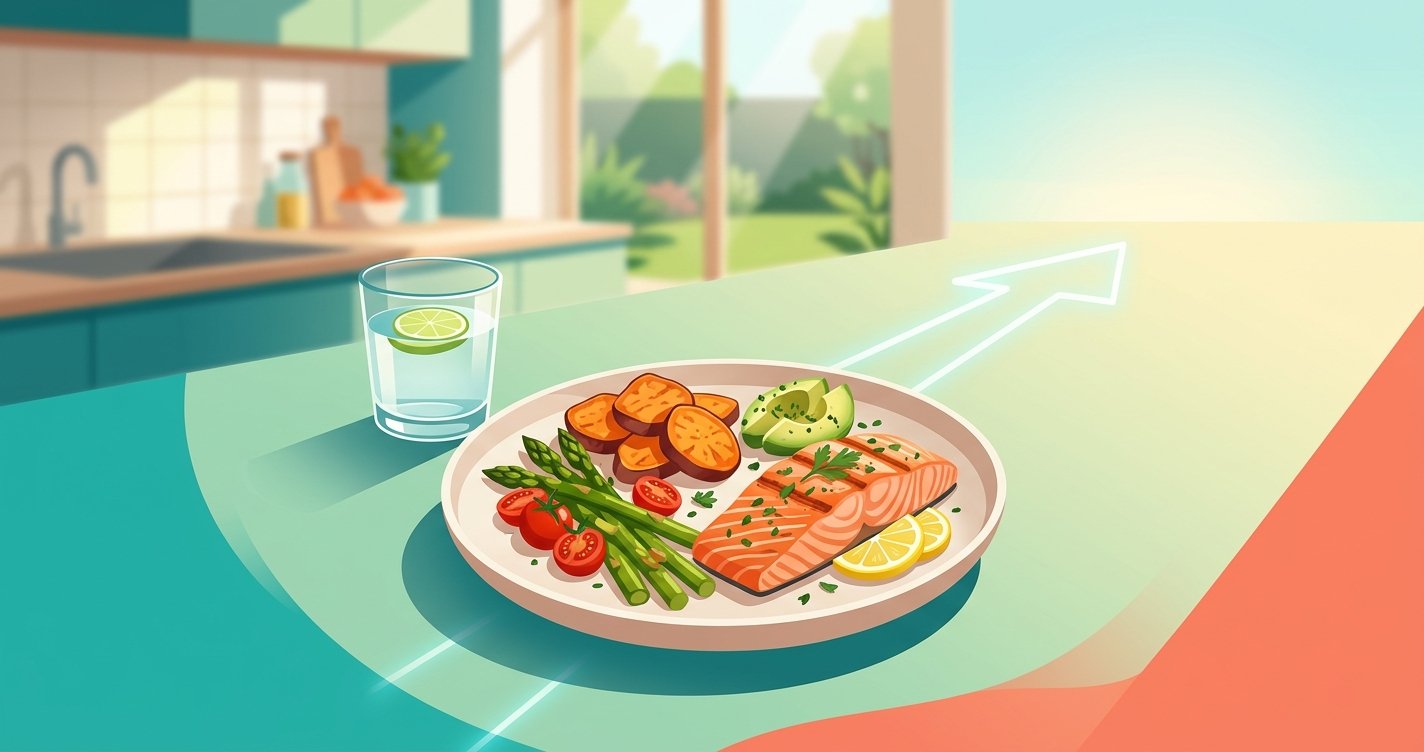
Fueling Your Future: Sustainable Nutrition Strategies for Lasting Fat Loss
Are you tired of the diet rollercoaster? The endless cycles of restriction, quick fixes, and the inevitable rebound? You’re not alone. Many of us embark on fat loss journeys with the best intentions, only to find ourselves back where we started, feeling defeated. But what if there was a better way? A path that doesn’t involve deprivation or extreme measures, but rather smart, sustainable nutrition strategies that empower you to not only lose fat but keep it off for good?
This isn't about the latest fad diet; it's about understanding your body, making informed choices, and building habits that support your health and fat loss goals in the long run. Let's ditch the quick fixes and embrace a friendly, evidence-based approach to nutrition that truly works. this excellent wellness product
The Cornerstone: Understanding Your Caloric Deficit (Without Starving Yourself)
At its core, fat loss boils down to a simple principle: consuming fewer calories than your body burns. This is known as a caloric deficit. While simple in theory, it's often misunderstood as a call for extreme restriction, which leads to burnout and failure.
Your body needs a certain amount of energy (calories) just to function – this is your Basal Metabolic Rate (BMR). Add in the energy you burn through daily activities and exercise, and you get your Total Daily Energy Expenditure (TDEE). To lose fat, you need to eat consistently below your TDEE. But here’s the crucial part: a modest deficit (e.g., 300-500 calories below your TDEE) is far more sustainable and effective than a drastic one. It allows for steady fat loss while preserving muscle mass and keeping your energy levels stable. Instead of slashing calories, think about optimizing them with nutrient-dense foods.
Protein Power: Your Best Friend for Fat Loss
If there’s one macronutrient that deserves a spotlight in your fat loss journey, it’s protein. Protein plays several vital roles:
- Satiety: Protein is incredibly filling. Including adequate protein in your meals helps you feel fuller for longer, reducing the urge to snack unnecessarily.
- Muscle Preservation: When you're in a caloric deficit, your body can sometimes break down muscle in addition to fat. Sufficient protein intake helps protect your precious muscle mass, which is crucial because muscle burns more calories at rest than fat does.
- Thermic Effect of Food (TEF): Protein has a higher TEF than carbohydrates or fats. This means your body expends more energy (calories) digesting and metabolizing protein.
Aim to include a lean protein source with every meal. Excellent options include chicken breast, turkey, lean beef, fish, eggs, Greek yogurt, cottage cheese, lentils, beans, and tofu.
Embrace Whole Foods: Fueling Your Body, Not Just Filling It
The quality of your calories matters immensely. While a caloric deficit is necessary, focusing on whole, unprocessed foods will make that deficit far easier and healthier to achieve. Whole foods are typically:
- Nutrient-Dense: Packed with vitamins, minerals, and antioxidants that support overall health and bodily functions.
- High in Fiber: We'll dive deeper into fiber next, but whole foods naturally contain more fiber, contributing to satiety.
- Less Processed: Free from added sugars, unhealthy fats, and artificial ingredients that can disrupt satiety signals and contribute to cravings.
Think colorful fruits and vegetables, whole grains (oats, brown rice, quinoa), lean proteins, and healthy fats. These foods provide sustained energy and keep hunger at bay, making your fat loss journey feel less like a struggle and more like nourishing your body.
The Fiber Advantage: Staying Full and Happy
Fiber is a superstar when it comes to sustainable fat loss. It’s found in plant-based foods and offers a multitude of benefits:
- Increased Satiety: Fiber adds bulk to your meals without adding many calories. It expands in your stomach, helping you feel full and satisfied.
- Blood Sugar Control: Soluble fiber slows down the absorption of sugar, preventing spikes and crashes that can lead to cravings and energy dips.
- Digestive Health: Insoluble fiber promotes regularity and a healthy gut, which is increasingly linked to metabolic health and weight management.
Integrate plenty of fiber-rich foods like berries, apples, leafy greens, broccoli, carrots, legumes (beans, lentils), and whole grains into your daily diet.
Healthy Fats: Don't Fear the Good Guys
For a long time, fat was demonized in the diet world. However, healthy fats are essential for overall health, hormone production, and yes, even fat loss. They are calorie-dense, so portion control is key, but they also contribute significantly to satiety and flavor.
Incorporating sources of monounsaturated and polyunsaturated fats can help you feel more satisfied after meals, reducing the likelihood of overeating later. Good sources include:
- Avocados
- Nuts (almonds, walnuts, pecans)
- Seeds (chia, flax, hemp)
- Olive oil and other healthy cooking oils
- Fatty fish (salmon, mackerel)
A small handful of nuts or a drizzle of olive oil can make a meal more enjoyable and filling, preventing you from feeling deprived.
Mindful Eating: More Than Just What You Eat
Beyond what you eat, how you eat plays a monumental role in sustainable fat loss. Mindful eating is about paying attention to your food, your body's signals, and the experience of eating. It means:
- Eating Slowly: It takes about 20 minutes for your stomach to signal to your brain that you're full. Slowing down allows your body to register satiety before you've overeaten.
- Listening to Your Body: Tune into your hunger and fullness cues. Eat when you're truly hungry, and stop when you're comfortably satisfied, not stuffed.
- Minimizing Distractions: Put away your phone, turn off the TV. Focus on the taste, texture, and smell of your food. This enhances enjoyment and prevents mindless overconsumption.
- Addressing Emotional Eating: Learn to differentiate between physical hunger and emotional hunger. Find alternative coping mechanisms for stress, boredom, or sadness that don't involve food.
Practicing mindful eating can significantly reduce overall calorie intake and foster a healthier relationship with food.
Hydration: The Often-Overlooked Ally
Water is essential for virtually every bodily function, including metabolism. Staying adequately hydrated is a simple yet powerful strategy for fat loss:
- Boosts Metabolism: Water is crucial for metabolic processes that burn calories.
- Enhances Satiety: Sometimes, our bodies confuse thirst for hunger. Drinking a glass of water before meals can help you feel fuller and potentially eat less.
- Supports Energy Levels: Dehydration can lead to fatigue, which might make you less likely to be active or more prone to reaching for sugary snacks for a quick energy boost.
Aim for at least 8 glasses of water a day, and more if you’re active or in a warm climate. Keep a water bottle handy as a constant reminder.
Putting It All Together: Your Sustainable Path Forward
Sustainable fat loss isn't about perfection; it's about consistency, progress, and building healthy habits that you can maintain for life. It's about empowering yourself with knowledge and making choices that nourish your body and mind.
Remember, this is a journey, not a race. Start small. Pick one or two strategies from above to focus on each week. Increase your protein intake, add more fiber-rich vegetables, or practice mindful eating for a few meals. Be patient with yourself, celebrate small victories, and know that every positive choice moves you closer to a healthier, happier you.
By focusing on nutrient-dense whole foods, adequate protein, healthy fats, fiber, hydration, and mindful eating, you’re not just losing fat – you’re building a foundation for lifelong health and well-being. You’ve got this!