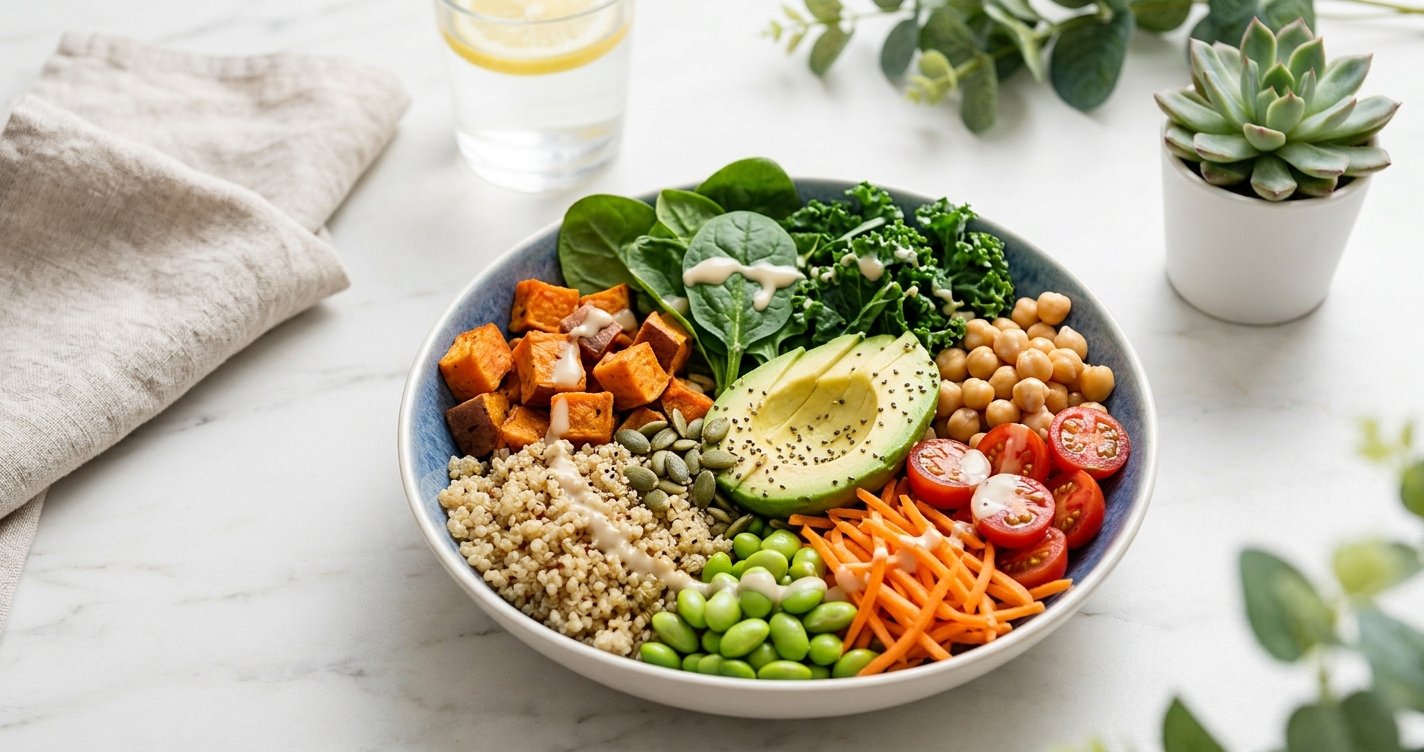
Tired of the yo-yo diet cycle? You’re not alone. The journey to fat loss often feels like a confusing maze of conflicting advice, restrictive plans, and short-lived results. But what if there was a better way? A path focused not on deprivation, but on sustainable, evidence-based strategies that nourish your body, boost your energy, and help you achieve lasting results? Good news – there is! This isn't about the latest fad; it's about building habits that serve your health and fat loss goals for the long haul.
In this guide, we'll dive into the fundamental nutrition strategies that truly work, backed by science, and presented in a friendly, encouraging way. Forget the quick fixes; let's build a foundation for a healthier, happier you. this excellent wellness product
The Cornerstone: Understanding Your Calorie Deficit (Without Obsession)
At its core, fat loss boils down to one undeniable principle: you must consume fewer calories than your body expends. This is known as a calorie deficit. While it sounds simple, the execution often gets overcomplicated or becomes a source of anxiety. Our goal isn't to starve ourselves, but to create a modest, sustainable deficit that signals to your body it’s time to tap into stored fat for energy.
What is a Calorie Deficit and Why It Matters?
Imagine your body as a car. Calories are its fuel. If you put in more fuel than you burn, the excess is stored (primarily as fat). If you put in less, your body has to find fuel elsewhere – hello, stored fat! A typical healthy deficit for sustainable fat loss is usually around 300-500 calories below your maintenance level. This allows for steady progress (about 1-2 pounds of fat loss per week for most people) without triggering extreme hunger, muscle loss, or metabolic slowdowns often associated with drastic cuts.
Smart Ways to Create Your Deficit
- Mindful Portions: Often, we eat more than we realize. Simply being more aware of serving sizes can make a big difference.
- Prioritize Whole Foods: Unprocessed foods like vegetables, fruits, lean proteins, and whole grains are naturally lower in calories for their volume and higher in nutrients, making them more filling.
- Reduce Sugary Drinks & Processed Snacks: These are often "empty calories" – high in calories but low in satiety, offering little nutritional value. Swapping a soda for water or a bag of chips for an apple saves hundreds of calories effortlessly.
- Cook at Home: When you prepare your own meals, you have full control over ingredients and portion sizes, making it easier to manage calorie intake.
Power Up with Protein: Your Satiety & Muscle Ally
If there's one macronutrient that deserves superstar status in your fat loss journey, it's protein. Far from just for bodybuilders, adequate protein intake is crucial for everyone aiming to lose fat effectively and sustainably.
The Benefits of High Protein Intake for Fat Loss
- Increased Satiety: Protein is the most satiating macronutrient. It helps you feel fuller for longer, reducing overall calorie intake naturally by curbing hunger and cravings.
- Muscle Preservation: When you're in a calorie deficit, your body can sometimes break down muscle tissue for energy. Sufficient protein intake helps protect your precious muscle mass, which is vital for maintaining a healthy metabolism. More muscle = more calories burned at rest!
- Higher Thermic Effect of Food (TEF): Your body expends more energy digesting and metabolizing protein compared to carbs or fats. This means you burn a few extra calories just by eating protein-rich foods!
Easy Ways to Boost Your Protein
Aim for a protein source at every meal. Think lean meats, poultry, fish, eggs, dairy (Greek yogurt, cottage cheese), legumes (lentils, beans), and plant-based options like tofu or tempeh.
- Breakfast Boost: Add eggs, Greek yogurt, or a protein shake.
- Lunch & Dinner: Ensure a generous serving of lean protein is the centerpiece of your plate.
- Smart Snacking: Opt for protein-rich snacks like a handful of almonds, a hard-boiled egg, or cottage cheese.
Fiber-Rich Foods: The Unsung Heroes of Fat Loss
Often overlooked, dietary fiber plays an incredibly powerful role in supporting your fat loss goals and overall health. It's not just for regularity; it's a key player in satiety, blood sugar control, and gut health.
How Fiber Keeps You Full and Healthy
- Enhanced Satiety: Fiber adds bulk to your meals without adding many calories. It expands in your stomach, helping you feel fuller and more satisfied, which means you're less likely to overeat.
- Blood Sugar Regulation: Soluble fiber, in particular, slows down the absorption of sugar into your bloodstream, preventing sharp spikes and crashes that can lead to cravings and energy dips.
- Improved Gut Health: A healthy gut microbiome is increasingly linked to better weight management and overall well-being. Fiber acts as food for beneficial gut bacteria, promoting a thriving internal ecosystem.
Integrating More Fiber into Your Diet
Focus on whole, unprocessed plant foods:
- Vegetables Galore: Load up on non-starchy vegetables like broccoli, spinach, bell peppers, and carrots at every meal.
- Fruits with the Skin: Berries, apples, pears, and oranges are packed with fiber.
- Whole Grains: Choose oats, quinoa, brown rice, and whole-wheat bread over refined grains.
- Legumes: Beans, lentils, and chickpeas are fiber powerhouses.
- Nuts & Seeds: A handful of almonds or a sprinkle of chia seeds can significantly boost your fiber intake.
Hydration & Mindful Eating: Simple Yet Powerful Tools
Sometimes, the simplest strategies are the most effective. Proper hydration and paying attention to your body's signals can make a world of difference in your fat loss journey.
The Water Advantage
Water is essential for virtually every bodily function, and it plays a subtle but significant role in fat loss. Staying well-hydrated can:
- Reduce False Hunger: Often, we mistake thirst for hunger. Drinking a glass of water before reaching for a snack can help you determine if you're truly hungry.
- Boost Metabolism: Studies suggest that drinking enough water can slightly increase your metabolic rate.
- Aid Digestion: Water is crucial for the proper digestion and absorption of nutrients, including fiber.
Aim for at least 8 glasses of water a day, and more if you're active.
Tuning Into Your Hunger Cues
Mindful eating is about paying attention to your food, your body, and your environment while eating. It's about slowing down, savoring flavors, and truly listening to your body's hunger and fullness signals.
- Eat Slowly: It takes about 20 minutes for your stomach to signal to your brain that it's full. Eating too quickly can lead to overeating.
- Eliminate Distractions: Turn off the TV, put away your phone, and focus on your meal.
- Check In: Before, during, and after eating, ask yourself: Am I truly hungry? Am I enjoying this? Am I comfortably full, or stuffed?
Beyond the Plate: Lifestyle Factors for Success
While nutrition is paramount, your fat loss journey isn't solely about what you eat. Lifestyle factors play a critical supporting role, influencing everything from your cravings to your metabolism.
The Importance of Sleep
Lack of sleep can wreak havoc on your fat loss efforts. When you're sleep-deprived, your body produces more ghrelin (the hunger hormone) and less leptin (the satiety hormone), leading to increased appetite and cravings, especially for high-carb, sugary foods. Aim for 7-9 hours of quality sleep per night.
Stress Management
Chronic stress elevates cortisol levels, a hormone that can promote fat storage, particularly around the abdomen. Find healthy ways to manage stress, whether it's meditation, yoga, walking in nature, or spending time with loved ones.
Movement and Activity
While this post focuses on nutrition, remember that incorporating regular physical activity (both strength training and cardio) complements your dietary efforts by burning extra calories, building muscle, improving insulin sensitivity, and boosting your mood. Find activities you enjoy and make them a regular part of your routine.
Consistency, Patience, and Self-Compassion: The Real Secret Sauce
The most effective fat loss plan isn't the one that promises the fastest results, but the one you can stick to consistently. There will be days when you make less-than-perfect choices, and that's okay. Fat loss is not a linear journey; plateaus and minor setbacks are normal. The key is to get back on track without guilt or self-punishment.
Embrace patience. Sustainable fat loss takes time. Celebrate small victories, focus on progress over perfection, and treat yourself with the same kindness and understanding you would offer a friend. This journey is about building a healthier relationship with food and your body, not just a number on the scale.
Your Sustainable Path to a Healthier You
Achieving lasting fat loss isn't about extreme diets or endless deprivation. It's about making informed, consistent choices that nourish your body, support your metabolism, and fit seamlessly into your lifestyle. By focusing on a modest calorie deficit, prioritizing protein and fiber, staying hydrated, eating mindfully, and nurturing your overall well-being, you're not just losing fat – you're building a foundation for lifelong health and vitality. Start small, be consistent, and trust the process. Your healthier, happier self awaits!