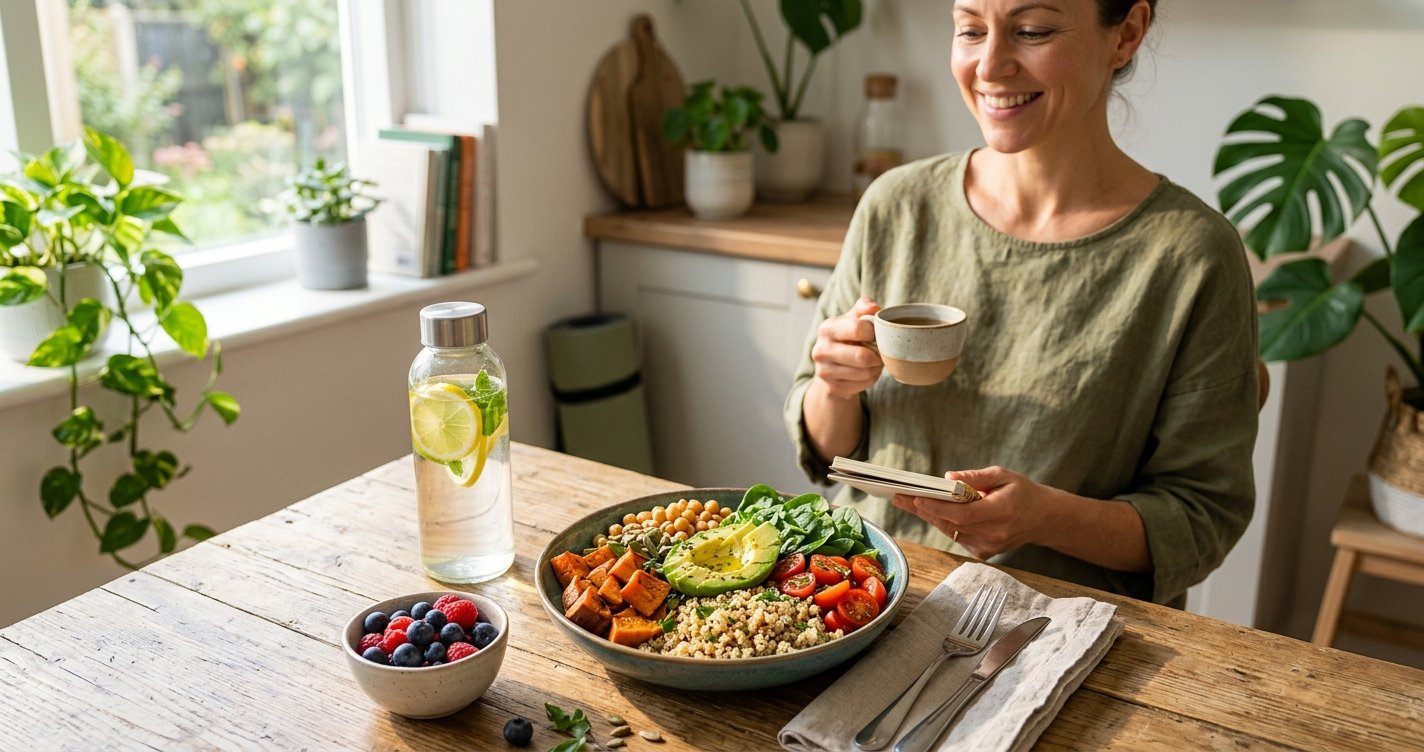
Fueling Your Journey: Sustainable Nutrition Strategies for Lasting Fat Loss
The world of fat loss can often feel overwhelming, filled with conflicting advice, trendy diets, and promises of quick fixes. But what if we told you that the most effective path to lasting fat loss isn't about deprivation or extreme measures, but about smart, sustainable nutrition strategies that nourish your body and support your long-term health? That's right – no magic pills, just evidence-based approaches designed to help you shed fat while feeling great.
Forget the idea that fat loss has to be a grueling battle. Instead, let's explore how you can make informed food choices that not only help you reach your body composition goals but also build a healthier, happier relationship with food. We're talking about strategies that are enjoyable, manageable, and, most importantly, sustainable for life. this excellent wellness product
The Foundation: Understanding Calorie Deficit (Without Starvation!)
At its core, fat loss boils down to one fundamental principle: consuming fewer calories than your body expends. This is known as a calorie deficit. However, the common misconception is that a calorie deficit means starving yourself, feeling constantly hungry, and sacrificing your favorite foods. This couldn't be further from the truth!
What is a Calorie Deficit?
Imagine your body as a car. Food is the fuel. If you put in less fuel than the car needs to run its daily errands, it starts tapping into its reserve tank – which, for your body, is stored fat. A modest calorie deficit, typically 300-500 calories below your maintenance level, is often enough to stimulate fat loss without causing extreme hunger or fatigue. The key is to create this deficit intelligently.
Why "Without Starvation"? Focus on Smart Choices
The secret to a sustainable calorie deficit lies in the quality of your food choices. By prioritizing nutrient-dense foods that are high in volume but relatively low in calories, you can feel full and satisfied while still consuming fewer calories overall. Think lean proteins, plenty of vegetables, fruits, and whole grains. These foods provide essential vitamins, minerals, and fiber, keeping your body happy and your energy levels stable.
Power Up with Protein: Your Fat Loss MVP
If there's one macronutrient that deserves a gold medal in the fat loss Olympics, it's protein. Protein is incredibly powerful for several reasons, making it a cornerstone of any effective fat loss nutrition plan.
Why Protein is Crucial
- Satiety Superstar: Protein is the most satiating macronutrient. It helps you feel fuller for longer, reducing the urge to snack unnecessarily between meals.
- Muscle Preservation: When you're in a calorie deficit, your body can sometimes break down muscle along with fat. Adequate protein intake helps preserve precious muscle mass, which is vital for maintaining a healthy metabolism.
- Thermic Effect of Food (TEF): Your body uses more energy to digest and metabolize protein compared to carbs or fats. This means you burn a few extra calories just by eating protein!
Best Protein Sources
Aim to include a lean protein source with every meal. Excellent options include:
- Lean meats (chicken breast, turkey, lean beef)
- Fish and seafood (salmon, cod, shrimp)
- Eggs
- Dairy (Greek yogurt, cottage cheese, milk)
- Legumes (lentils, beans, chickpeas)
- Tofu and tempeh
Embrace Fiber: The Satiety Secret Weapon
Fiber, often overlooked, is another unsung hero in the quest for sustainable fat loss. It plays a significant role in keeping you full, regulating digestion, and supporting overall gut health.
How Fiber Helps You Feel Full
Fiber adds bulk to your meals without adding significant calories. It slows down digestion, meaning food stays in your stomach longer, promoting a feeling of fullness and reducing those pesky hunger pangs. This makes it much easier to stick to your calorie goals.
Fueling Your Gut Health
Beyond satiety, fiber is crucial for a healthy digestive system. It acts as a prebiotic, feeding the beneficial bacteria in your gut. A healthy gut microbiome is increasingly linked to better weight management and overall well-being.
Fiber-Rich Foods
Incorporate a variety of these foods into your diet:
- Vegetables (broccoli, spinach, carrots, Brussels sprouts)
- Fruits (berries, apples, pears, bananas)
- Whole grains (oats, quinoa, brown rice, whole wheat bread)
- Legumes (beans, lentils)
- Nuts and seeds (chia seeds, flaxseeds, almonds)
Don't Fear Healthy Fats: Essential for Hormones and Health
For decades, fat was demonized, but we now know that healthy fats are absolutely essential for your body's proper functioning, including hormone production, nutrient absorption, and yes, even fat loss!
The Role of Healthy Fats
While fats are calorie-dense, incorporating healthy fats in moderation is crucial. They contribute to satiety, provide long-lasting energy, and are vital for absorbing fat-soluble vitamins (A, D, E, K). They also play a key role in maintaining healthy hormone levels, which can impact your metabolism and mood.
Smart Fat Choices
Focus on unsaturated fats and limit saturated and trans fats. Good sources include:
- Avocado
- Nuts and seeds (almonds, walnuts, chia, flax)
- Olive oil, avocado oil
- Fatty fish (salmon, mackerel)
Remember, moderation is key, as fats are the most calorie-dense macronutrient.
Hydration Hero: Water's Underrated Role
It sounds simple, but staying adequately hydrated is a surprisingly powerful tool in your fat loss arsenal.
Why Water Matters for Fat Loss
- Boosts Metabolism: Studies show that drinking water can temporarily increase your metabolic rate.
- Reduces Hunger: Sometimes, your body confuses thirst for hunger. Drinking a glass of water before a meal can help you feel fuller and potentially eat less.
- Aids Digestion and Nutrient Transport: Water is essential for all bodily functions, including transporting nutrients and flushing out waste products.
Tips for Staying Hydrated
Keep a water bottle handy, set reminders, and try infusing water with fruits or herbs for flavor.
Mindful Eating: A Game-Changer for Long-Term Success
Beyond what you eat, how you eat plays a huge role in sustainable fat loss. Mindful eating is about paying attention to your food, your body's signals, and your eating experience.
What is Mindful Eating?
It's about tuning into your hunger and fullness cues, savoring your food, and noticing how different foods make you feel. It helps you distinguish between physical hunger and emotional eating, leading to more intentional and satisfying food choices.
Practical Mindfulness Tips
- Eat slowly, putting your fork down between bites.
- Chew thoroughly.
- Eliminate distractions (turn off the TV, put away your phone).
- Pay attention to the taste, texture, and smell of your food.
- Stop eating when you feel comfortably full, not stuffed.
Meal Planning & Preparation: Your Roadmap to Consistency
One of the biggest hurdles to sustainable nutrition is consistency. This is where meal planning and preparation become invaluable tools.
Why Plan?
Planning your meals in advance helps you:
- Make healthier choices when you're busy or tired.
- Control portion sizes.
- Avoid impulse eating or relying on unhealthy takeout.
- Save time and money.
Simple Planning Strategies
- **Start Small:** Plan just one meal (e.g., lunch) for the week.
- **Batch Cook:** Prepare large quantities of lean protein, whole grains, and roasted vegetables that you can mix and match throughout the week.
- **Grocery List:** Create a detailed list based on your meal plan to avoid unnecessary purchases.
- **Prep Ahead:** Wash and chop vegetables, portion out snacks, or assemble ingredients for quick cooking.
Conclusion: Your Sustainable Path to a Healthier You
Achieving sustainable fat loss isn't about chasing fleeting trends or punishing your body. It's about building a foundation of healthy, enjoyable, and realistic nutrition habits that you can maintain for life. By focusing on a smart calorie deficit, prioritizing protein and fiber, embracing healthy fats, staying hydrated, practicing mindful eating, and planning your meals, you're not just losing fat – you're investing in your long-term health and well-being.
Remember, progress isn't always linear, and perfection isn't the goal. Be patient with yourself, celebrate small victories, and focus on consistency over intensity. You have the power to create a healthier, happier you, one nourishing meal at a time. Your journey starts now!