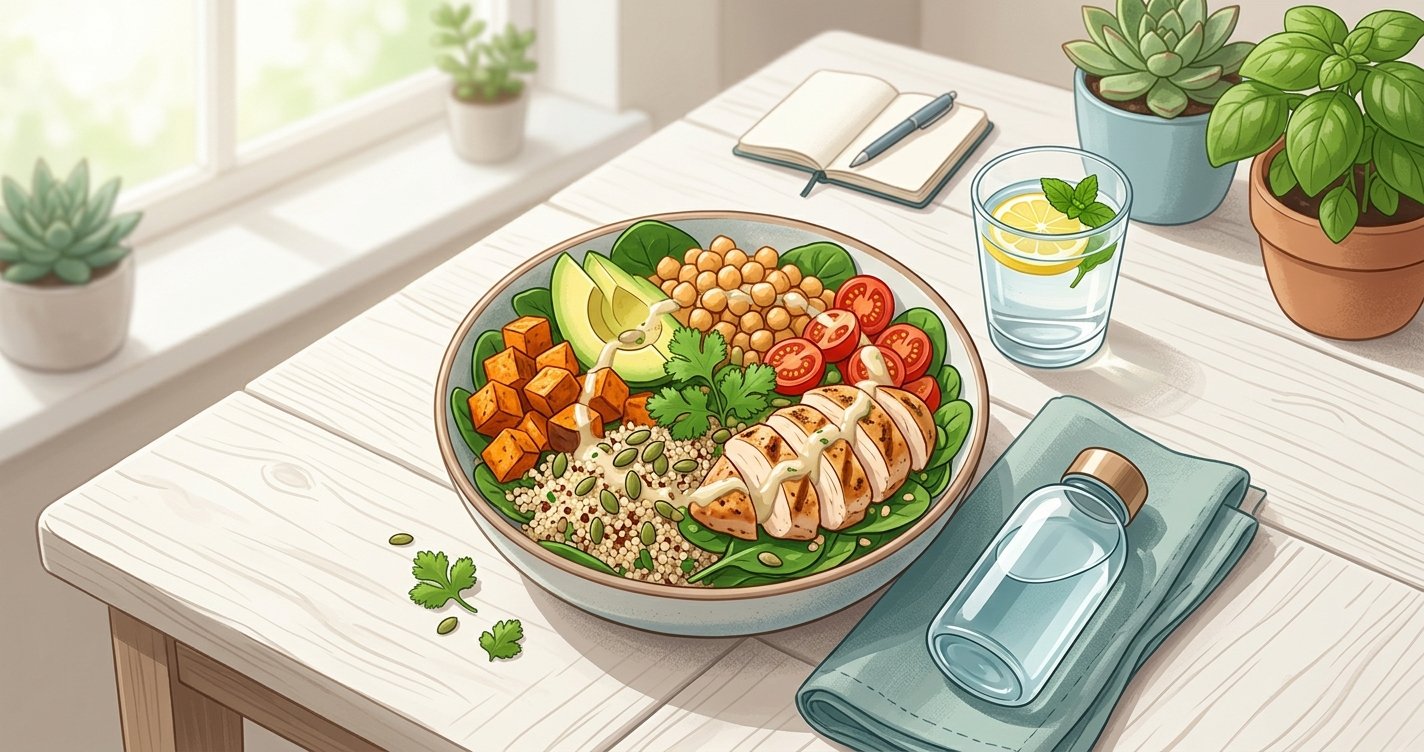
Eat Your Way to Lasting Results: Sustainable Nutrition Strategies for Fat Loss
Are you tired of the endless cycle of restrictive diets, quick fixes, and the inevitable rebound? Many people embark on a fat loss journey with enthusiasm, only to find themselves frustrated and demotivated when results are fleeting or unsustainable. The truth is, lasting fat loss isn't about deprivation; it's about building sustainable, evidence-based nutrition strategies that nourish your body and fit seamlessly into your life. This guide will help you ditch the diet mentality and embrace a healthier, more effective approach to achieving your goals.
We'll explore practical, friendly advice rooted in science, designed to empower you to make informed food choices that lead to consistent progress and a healthier you, without feeling like you're constantly fighting against your own body. Let's unlock the secrets to sustainable fat loss together! this excellent wellness product
Why "Diets" Often Fail: The Sustainability Challenge
The diet industry is booming with promises of rapid weight loss, often through extreme calorie restriction or eliminating entire food groups. While these approaches might yield initial results, they are rarely sustainable. Why?
The Cycle of Restriction and Rebound
Highly restrictive diets can lead to feelings of deprivation, increased cravings, and an eventual breakdown of willpower. This often results in overeating, guilt, and the dreaded "yo-yo" effect, where lost weight is regained, sometimes with extra. This cycle is not only physically taxing but also emotionally draining, making long-term fat loss seem impossible.
The Importance of a Calorie Deficit (Without Deprivation)
At its core, fat loss requires a consistent calorie deficit – consuming fewer calories than your body burns. However, the key is to achieve this deficit in a way that is manageable and provides adequate nutrition. Starving yourself is counterproductive; it slows your metabolism, leads to muscle loss, and triggers intense hunger signals that are hard to ignore. Our goal is to create a moderate deficit through smart food choices, not extreme restriction, to ensure your body remains fueled and your metabolism stays active.
The Foundation: Prioritizing Protein for Fat Loss
If there's one macronutrient to focus on for fat loss, it's protein. Protein plays several critical roles that make it an indispensable tool in your nutrition arsenal.
Satiety Powerhouse
Protein is incredibly satiating, meaning it helps you feel fuller for longer. Including adequate protein in your meals can significantly reduce overall calorie intake by curbing hunger and minimizing mindless snacking. Think lean meats, poultry, fish, eggs, dairy, legumes, and tofu.
Muscle Preservation
When you're in a calorie deficit, your body can lose both fat and muscle. Consuming enough protein is crucial for preserving lean muscle mass. Muscle is metabolically active, meaning it burns more calories at rest than fat does. Maintaining or even building muscle helps keep your metabolism humming, which is vital for sustained fat loss.
Thermic Effect of Food (TEF)
Protein has a higher thermic effect than carbohydrates or fats. This means your body expends more energy (calories) digesting and metabolizing protein-rich foods. While not a huge calorie burner on its own, it's an added bonus that contributes to your overall calorie deficit.
Embrace Fiber-Rich Carbs and Healthy Fats
Often demonized, carbohydrates and fats are essential for optimal health and can absolutely be part of a successful fat loss strategy. The key lies in choosing the right types.
Complex Carbs: Fuel and Fiber
Forget the idea that all carbs are bad. Fiber-rich carbohydrates, found in whole grains, fruits, and vegetables, are your friends. They provide sustained energy, prevent blood sugar spikes and crashes, and contribute significant amounts of dietary fiber.
- Fiber is crucial for digestive health and adds bulk to your meals, further enhancing satiety. It slows down digestion, helping you feel full longer and reducing the likelihood of overeating.
- Opt for sources like oats, quinoa, brown rice, sweet potatoes, berries, apples, broccoli, and leafy greens.
Healthy Fats: Essential for Hormones and Satiety
Fats are vital for hormone production, nutrient absorption, and overall cellular function. They also contribute to satiety, making your meals more satisfying. The trick is to choose healthy, unsaturated fats in moderation.
- Incorporate sources like avocados, nuts, seeds, olive oil, and fatty fish (salmon, mackerel) rich in omega-3s.
- These fats help keep your body functioning optimally, which is critical for a healthy metabolism and successful fat loss.
Mastering Portion Control and Mindful Eating
Even the healthiest foods can contribute to weight gain if consumed in excess. Understanding how much you're eating and tuning into your body's signals are powerful tools for fat loss.
Understanding Your Energy Needs
While you don't need to meticulously count every calorie forever, gaining an awareness of typical portion sizes for different foods can be incredibly helpful. Use visual cues (e.g., a deck of cards for protein, a cupped hand for carbs) or measuring tools initially to calibrate your perception. This helps ensure you're maintaining that crucial calorie deficit.
Listening to Your Body's Cues
Mindful eating is about paying attention to your hunger and fullness signals. Instead of eating until you're stuffed, aim to eat until you're satisfied, not full. Ask yourself: Am I truly hungry? Or am I eating out of boredom, stress, or habit?
The Power of Slow Eating
Eating slowly allows your brain enough time to register that your stomach is filling up. It can take up to 20 minutes for satiety signals to reach your brain. Savor your food, chew thoroughly, and put your fork down between bites. This simple practice can significantly reduce your overall food intake.
Hydration and Nutrient Density: The Unsung Heroes
These two aspects are often overlooked but play a huge role in supporting your fat loss efforts and overall well-being.
Water: More Than Just Thirst Quenching
Staying adequately hydrated is fundamental. Water helps with metabolism, nutrient transport, and can even help manage hunger. Sometimes, your body confuses thirst for hunger. Try drinking a glass of water before meals or when a craving strikes – you might find that you were just thirsty.
Micronutrients for Metabolic Health
Focusing on nutrient-dense foods means choosing foods that pack a lot of vitamins, minerals, and antioxidants relative to their calorie content. Think vibrant fruits, a rainbow of vegetables, and lean proteins. These micronutrients are essential for countless bodily functions, including those that regulate metabolism and energy production. A body that's well-nourished at the cellular level operates more efficiently, making fat loss easier.
Practical Tips for Integrating Sustainable Nutrition into Your Life
Knowledge is power, but application is what truly counts. Here are some actionable tips to weave these strategies into your daily routine.
Meal Prepping for Success
Dedicate a few hours each week to planning and preparing some of your meals and snacks. Having healthy options readily available reduces the likelihood of reaching for less healthy, convenient foods when hunger strikes. Cook a batch of lean protein, chop vegetables, and portion out snacks.
Smart Snacking Strategies
If you need snacks, make them count. Choose options that are high in protein and fiber to keep you full and satisfied. Examples include Greek yogurt with berries, a handful of nuts, apple slices with peanut butter, or vegetable sticks with hummus.
Navigating Social Situations
Eating out or attending social gatherings doesn't have to derail your progress. Plan ahead: look at menus online, choose leaner options, and practice portion control. Don't be afraid to ask for sauces on the side or swap fries for a salad. Enjoy the company and the experience, rather than focusing solely on the food.
Beyond the Plate: Lifestyle Factors That Support Fat Loss
While nutrition is paramount, a holistic approach acknowledges that other lifestyle elements profoundly impact your ability to lose fat and keep it off.
The Role of Sleep
Adequate sleep (7-9 hours per night) is crucial. Lack of sleep disrupts hormones that regulate hunger (ghrelin) and satiety (leptin), making you feel hungrier and less satisfied, often leading to increased calorie intake and cravings for unhealthy foods. Prioritize your rest!
Stress Management
Chronic stress can lead to increased levels of cortisol, a hormone that can promote fat storage, especially around the abdomen. Find healthy ways to manage stress, whether it's through meditation, yoga, spending time in nature, or engaging in hobbies you love.
Consistent Movement
While nutrition is the primary driver for fat loss, incorporating regular physical activity complements your efforts beautifully. Even moderate movement like walking, cycling, or strength training helps burn calories, build muscle, and improve overall health and mood, supporting your sustainable fat loss journey.
Your Journey to Lasting Results
Achieving sustainable fat loss is a journey, not a destination. It's about building consistent, healthy habits that you can maintain for life. Ditch the quick fixes and embrace a balanced, evidence-based approach to nutrition that prioritizes protein, fiber-rich carbs, healthy fats, mindful eating, and adequate hydration.
Remember, progress isn't always linear, and that's okay. Be patient with yourself, celebrate small victories, and focus on consistency over perfection. By adopting these sustainable nutrition strategies for fat loss, you're not just losing weight; you're building a healthier, happier, and more energetic future. Start today, one smart food choice at a time, and watch your lasting results unfold!