Beyond the Quick Fix: Sustainable Nutrition Strategies for Lasting Fat Loss
In a world saturated with "lose weight fast" promises and restrictive fad diets, it's easy to feel lost, frustrated, and even hopeless when it comes to achieving sustainable fat loss. We've all been there – trying the latest detox, cutting out entire food groups, only to find ourselves back where we started, often heavier and more disheartened than before. But what if there was a better way? A path that doesn't involve deprivation, endless hunger, or a constant battle with willpower?
The truth is, lasting fat loss isn't about quick fixes; it's about building sustainable, evidence-based nutrition habits that nourish your body, fuel your life, and fit seamlessly into your everyday routine. This isn't just about shedding pounds; it's about fostering a healthier relationship with food, improving your overall well-being, and creating a lifestyle you can genuinely enjoy for years to come. Ready to ditch the diet roller coaster and embrace a smarter, more effective approach? Let's dive in! this excellent wellness product
Why Quick Fixes Fail (and What Works Instead)
The allure of rapid weight loss is powerful, but it's often a mirage. Most extreme diets promise dramatic results by drastically cutting calories or eliminating entire food categories. While you might see initial drops on the scale, much of this is usually water weight, not actual fat. Worse, these restrictive approaches often:
- Lead to Nutrient Deficiencies: Restricting variety can mean missing out on essential vitamins and minerals.
- Cause Muscle Loss: Rapid weight loss, especially without adequate protein and strength training, often results in losing valuable muscle mass, which is crucial for metabolism.
- Slow Metabolism: Your body adapts to extreme calorie deficits by slowing its metabolic rate, making it harder to lose weight and easier to regain it.
- Are Unsustainable: No one can maintain an extremely restrictive diet long-term. Eventually, willpower wanes, leading to binges and the dreaded "yo-yo" effect.
- Foster a Negative Relationship with Food: Labeling foods as "good" or "bad" can create guilt, anxiety, and disordered eating patterns.
Instead of chasing fleeting results, our focus shifts to strategies that promote gradual, consistent fat loss by optimizing your body's natural processes and building habits that are enjoyable and maintainable.
Understanding the Fundamentals: Calorie Deficit & Macronutrients
At its core, fat loss requires a consistent calorie deficit – consuming slightly fewer calories than your body burns. Think of it like balancing a budget: to reduce your debt (body fat), you need to spend less than you earn. However, it's not just about the *number* of calories, but the *quality* and *composition* of those calories. This is where macronutrients come in: protein, carbohydrates, and fats.
The Power of Protein: Your Satiety Secret Weapon
If there's one macronutrient to prioritize for fat loss, it's protein. Protein is incredibly satisfying, helping you feel fuller for longer, which naturally reduces overall calorie intake. Furthermore, it has a higher thermic effect of food (TEF) than carbs or fats, meaning your body burns more calories digesting it. Crucially, adequate protein intake (aim for 0.7-1 gram per pound of body weight, or 1.6-2.2 grams per kilogram) is essential for preserving precious muscle mass while you're in a calorie deficit. This helps keep your metabolism humming.
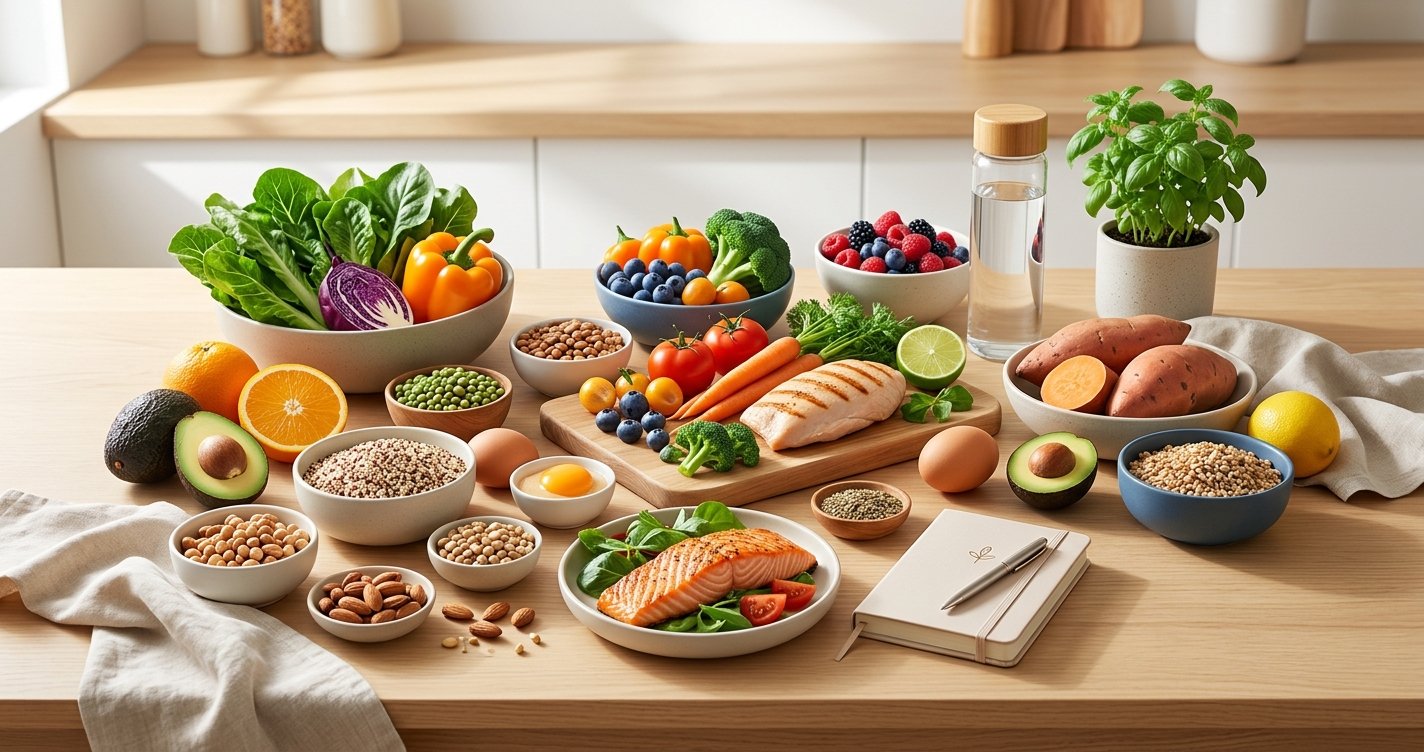
- Excellent Sources: Lean meats (chicken breast, turkey, lean beef), fish (salmon, cod, tuna), eggs, dairy (Greek yogurt, cottage cheese), legumes (lentils, beans), tofu, tempeh, and protein powder.
Fats & Carbs: Finding Your Balance for Energy & Health
While often demonized, both healthy fats and complex carbohydrates play vital roles in your body and a sustainable fat loss plan. The key is balance and quality.
- Healthy Fats: Essential for hormone production, nutrient absorption, and providing sustained energy. They also contribute to satiety. Focus on unsaturated fats and limit saturated and trans fats.
- Excellent Sources: Avocados, nuts (almonds, walnuts), seeds (chia, flax, hemp), olive oil, fatty fish (salmon, mackerel).
- Complex Carbohydrates: Your body's preferred energy source. Complex carbs, rich in fiber, provide sustained energy, prevent blood sugar spikes, and contribute to satiety. They are not the enemy!
- Excellent Sources: Whole grains (oats, quinoa, brown rice, whole wheat bread), starchy vegetables (sweet potatoes, corn, peas), fruits, and legumes.
The exact ratio of macronutrients can vary based on individual preferences, activity levels, and goals. Experiment to find what makes you feel best and helps you adhere to your calorie deficit.
Prioritizing Whole Foods: Nature's Best for Fat Loss
No matter your macro split, the foundation of sustainable nutrition for fat loss should always be whole, unprocessed foods. These foods are packed with vitamins, minerals, fiber, and antioxidants, offering maximum nutrition for fewer calories compared to their processed counterparts.
- Fruits and Vegetables: High in fiber and water, they fill you up with minimal calories. Aim for a colorful variety to get a broad spectrum of nutrients.
- Lean Proteins: As discussed, essential for satiety and muscle preservation.
- Whole Grains: Provide sustained energy and fiber, promoting digestive health.
- Healthy Fats: Crucial for overall health and satiety.
Minimizing ultra-processed foods – those high in added sugars, unhealthy fats, and artificial ingredients – can significantly impact your fat loss journey. They often lack nutrients, are less satisfying, and can contribute to overeating.
Mindful Eating: Reconnecting with Your Body's Signals
Beyond *what* you eat, *how* you eat is equally important for sustainable fat loss. Mindful eating is the practice of paying attention to your food, your body's hunger and fullness cues, and the entire eating experience. It's about being present, not just consuming.
- Eat Slowly: It takes about 20 minutes for your stomach to signal your brain that you're full. Slowing down gives your body time to register satiety.
- Listen to Your Body: Eat when you're truly hungry, not just bored, stressed, or out of habit. Stop when you're comfortably full, not stuffed.
- Eliminate Distractions: Turn off the TV, put away your phone. Focus on the taste, texture, and smell of your food.
- Savor Each Bite: Enjoy your meals. When you appreciate your food, you're less likely to overeat or seek unhealthy alternatives later.
Mindful eating helps you develop a healthier relationship with food, reducing emotional eating and increasing your awareness of your body's true needs.
Hydration & Fiber: The Unsung Heroes of Sustainable Fat Loss
These two often-overlooked components play a significant role in making your fat loss journey smoother and more successful.
- Hydration: Drinking enough water (aim for 8 glasses or more daily) is crucial. Water helps with metabolism, nutrient transport, and can even help manage hunger, as thirst is often mistaken for hunger. Sometimes, a glass of water is all you need to curb a craving.
- Fiber: Found in fruits, vegetables, whole grains, and legumes, fiber is a game-changer. It adds bulk to your meals without adding many calories, promoting satiety and aiding digestion. It also helps stabilize blood sugar levels, preventing energy crashes and subsequent cravings. Aim for 25-35 grams of fiber per day.
Building Sustainable Habits: Consistency Over Perfection
The most effective fat loss strategies are the ones you can stick with long-term. This means focusing on consistency, not perfection. Don't aim for a complete overhaul overnight; instead, make small, incremental changes that you can realistically maintain.
- Start Small: Instead of cutting out all sugar, try replacing one sugary drink a day with water. Instead of cooking every meal, aim for 3-4 home-cooked meals a week.
- Be Patient: Sustainable fat loss is a marathon, not a sprint. Celebrate small victories and don't get discouraged by occasional slip-ups.
- Plan Ahead: Meal prepping or simply having a general idea of your meals for the week can drastically reduce impulsive, unhealthy choices.
- Learn from Setbacks: If you have an off day, don't let it derail your entire week. Acknowledge it, learn from it, and get back on track with your next meal.
- Seek Support: Share your journey with friends, family, or a coach. Accountability can be a powerful motivator.
Embrace Your Journey Towards Lasting Health
Sustainable fat loss isn't about rigid rules or a temporary diet; it's about making informed choices that empower you to live a healthier, more vibrant life. By focusing on whole foods, prioritizing protein, balancing your macros, practicing mindful eating, and staying hydrated and fibrous, you're not just losing fat – you're building a foundation for lifelong health and well-being.
Remember, this is your journey. Be kind to yourself, celebrate your progress, and trust the process. With consistency, patience, and these evidence-based strategies, you can achieve lasting fat loss and cultivate a positive relationship with food and your body that will serve you well for years to come. What small, sustainable change will you make today?