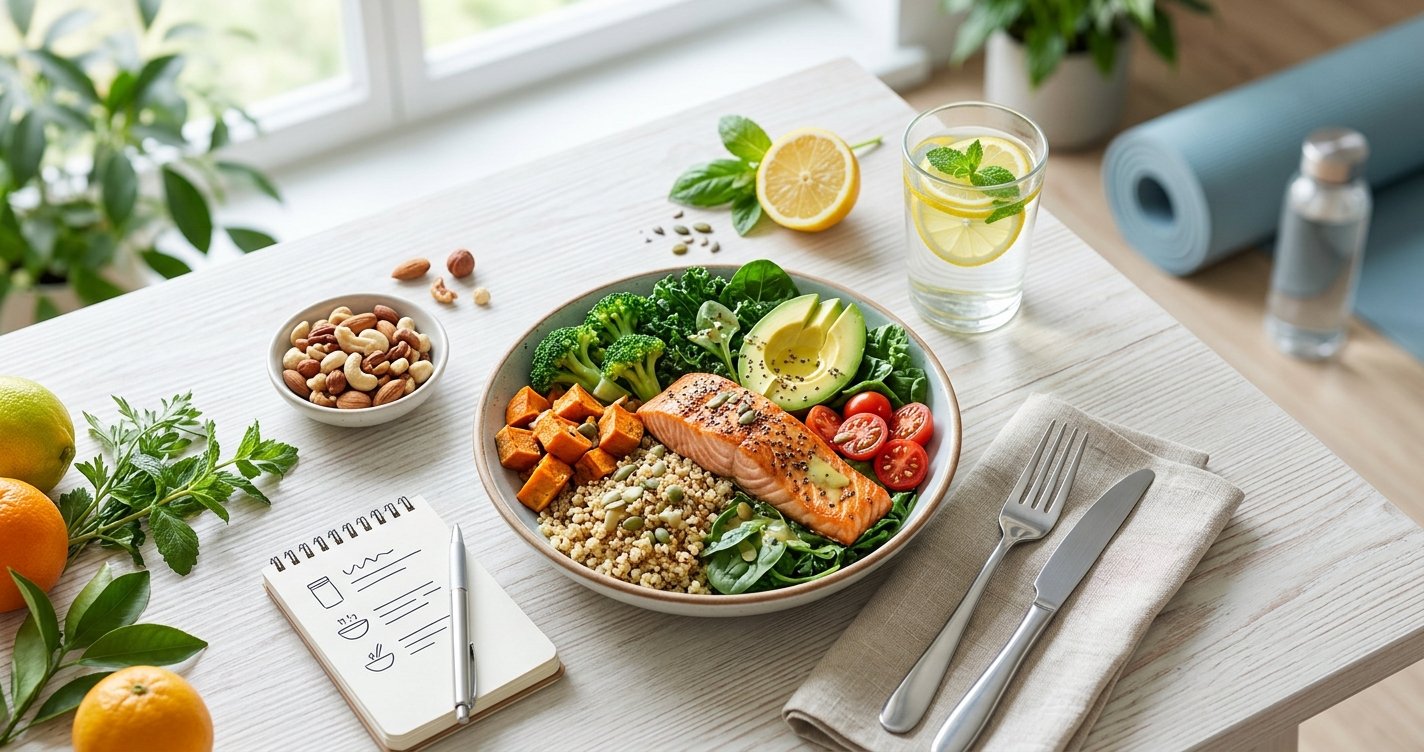
Tired of diet fads that promise rapid results only to leave you feeling defeated and heavier than before? You’re not alone. The world of fat loss is often cluttered with quick fixes, restrictive rules, and extreme claims. But what if we told you that achieving and maintaining your ideal body composition doesn’t have to be a battle against hunger or a never-ending cycle of deprivation?
Welcome to the world of sustainable fat loss through smart nutrition. This isn't about crash diets; it's about building a healthier relationship with food, understanding your body, and making informed choices that fit seamlessly into your life. We're going to explore evidence-based strategies that empower you to lose fat effectively and, more importantly, keep it off for good, all while feeling nourished and energized. Let's ditch the quick fixes and embrace a journey towards lasting health and vitality! this excellent wellness product
The Unshakeable Foundation: Understanding the Calorie Deficit (Without Starvation!)
At its core, fat loss boils down to one fundamental principle: consuming fewer calories than your body expends. This is known as a calorie deficit. But before you picture tiny portions and rumbling stomachs, understand that a sustainable deficit is moderate and strategic, not extreme.
Your body needs a certain amount of energy (calories) just to perform basic functions like breathing, circulating blood, and thinking – this is your Basal Metabolic Rate (BMR). Add in physical activity, and you get your Total Daily Energy Expenditure (TDEE). To lose fat, you need to consistently eat slightly below your TDEE. A common recommendation is a deficit of 300-500 calories per day, which typically leads to a healthy fat loss of 1-2 pounds per week. This moderate approach helps preserve muscle mass, keeps your metabolism humming, and prevents the rebound effect often seen with aggressive dieting.
How do you achieve this without meticulously counting every single morsel? By focusing on nutrient-dense foods that naturally promote satiety and by being mindful of portion sizes. You don't need to starve; you need to choose wisely.
The Power of Protein: Your Fat Loss Ally
If there's one macronutrient that deserves superstar status in your fat loss journey, it's protein. Protein plays several critical roles that make it invaluable:
- Satiety: Protein is incredibly filling. Including adequate protein at each meal helps you feel fuller for longer, reducing the urge to snack unnecessarily and making it easier to stick to your calorie goals.
- Muscle Preservation: When you're in a calorie deficit, your body can sometimes break down muscle tissue for energy. A higher protein intake helps to protect your precious muscle mass, which is crucial because muscle burns more calories at rest than fat does.
- Thermic Effect of Food (TEF): Protein has a higher TEF than carbohydrates or fats. This means your body expends more energy digesting and metabolizing protein, giving you a slight metabolic boost.
Aim for a protein source in every meal. Think lean meats, poultry, fish, eggs, dairy (Greek yogurt, cottage cheese), legumes, tofu, and protein powders. A good general guideline is to consume 0.7-1 gram of protein per pound of your target body weight.
Carbohydrates and Fats: Friends, Not Foes (When Chosen Wisely)
Often demonized, carbohydrates and fats are essential for your health and can absolutely be part of a successful fat loss strategy. The key lies in choosing the right types and managing portions.
Smart Carbohydrate Choices
Carbohydrates are your body's primary energy source. Instead of cutting them out entirely, focus on complex carbohydrates:
- Whole Grains: Oats, brown rice, quinoa, whole-wheat bread. These are rich in fiber, which aids digestion, promotes satiety, and helps stabilize blood sugar.
- Fruits and Vegetables: Packed with vitamins, minerals, antioxidants, and fiber. They're low in calories and high in volume, making them perfect for filling your plate.
Limit refined carbohydrates like sugary drinks, white bread, pastries, and highly processed snacks. These offer little nutritional value and can lead to energy crashes and increased cravings.
Embracing Healthy Fats
Fats are vital for hormone production, nutrient absorption, and overall health. They also contribute to satiety. Focus on unsaturated fats:
- Avocado: A great source of monounsaturated fats.
- Nuts and Seeds: Almonds, walnuts, chia seeds, flax seeds – excellent for healthy fats, fiber, and protein.
- Olive Oil: Use in moderation for cooking and dressings.
- Fatty Fish: Salmon, mackerel, sardines provide omega-3 fatty acids, which have anti-inflammatory benefits.
While healthy, fats are calorie-dense, so portion control is crucial. A small handful of nuts or a tablespoon of olive oil is usually sufficient.
Fiber: The Unsung Hero of Satiety and Gut Health
We've touched upon fiber a few times, and for good reason. This non-digestible carbohydrate is a powerhouse for fat loss and overall health:
- Enhanced Satiety: Fiber adds bulk to your meals, making you feel full and satisfied without adding significant calories.
- Blood Sugar Regulation: Soluble fiber helps slow down the absorption of sugar, preventing spikes and crashes that can lead to cravings.
- Digestive Health: Both soluble and insoluble fiber promote regular bowel movements and feed beneficial gut bacteria, contributing to a healthy microbiome, which is increasingly linked to weight management.
Load up on fiber through fruits, vegetables, legumes (beans, lentils), and whole grains. Aim for 25-35 grams of fiber per day.
Mindful Eating: Reconnecting with Your Body's Cues
Beyond what you eat, how you eat plays a monumental role in sustainable fat loss. Mindful eating is about paying attention to your food, your body's signals, and the eating experience itself.
- Slow Down: It takes about 20 minutes for your stomach to signal to your brain that you're full. Eating slowly gives your body time to register satiety, preventing overeating.
- Eliminate Distractions: Put away your phone, turn off the TV. Focus on the taste, texture, and smell of your food.
- Listen to Your Body: Eat when you're hungry, and stop when you're comfortably full, not stuffed. Learn to differentiate between physical hunger and emotional cravings.
- Savor Each Bite: Enjoy your food! When you truly taste and appreciate your meals, you're less likely to feel deprived.
Mindful eating fosters a healthier relationship with food, reducing emotional eating and fostering a sense of control and satisfaction.
Hydration and Sleep: The Often-Overlooked Pillars
While nutrition takes center stage, don't underestimate the profound impact of adequate hydration and quality sleep on your fat loss journey.
Hydrate for Success
Water is essential for countless bodily functions, including metabolism. Drinking enough water can:
- Boost Metabolism: Staying hydrated helps your metabolism function optimally.
- Enhance Satiety: Sometimes, thirst is mistaken for hunger. Drinking a glass of water before meals can help you eat less.
- Support Digestion: Water helps fiber do its job, keeping your digestive system running smoothly.
Aim for 8 glasses (around 2 liters) of water daily, more if you're active or in a hot climate.
Sleep Your Way to a Leaner You
Lack of sleep can sabotage even the best nutrition plan. When you're sleep-deprived:
- Hormones Go Haywire: Your body produces more ghrelin (the hunger hormone) and less leptin (the satiety hormone), leading to increased appetite and cravings for high-calorie, sugary foods.
- Cortisol Rises: Sleep deprivation elevates cortisol, a stress hormone that can promote fat storage, especially around the belly.
- Reduced Energy: You're less likely to have the energy or motivation to exercise and make healthy food choices.
Prioritize 7-9 hours of quality sleep per night. It’s not a luxury; it’s a necessity for sustainable fat loss.
Consistency Over Perfection: Building Lasting Habits
The journey to lasting fat loss isn't about being perfect; it's about being consistent. There will be days when you make less-than-ideal choices, or when life throws a curveball. That's okay!
Instead of viewing a slip-up as a failure, see it as a minor deviation. Get back on track with your next meal or the next day. Focus on building sustainable habits that you can maintain for the long haul. Small, consistent changes add up to significant, lasting results. Celebrate your progress, learn from your setbacks, and trust the process.
Embrace Your Sustainable Journey
Sustainable fat loss isn't a race; it's a lifestyle evolution. By focusing on nutrient-dense foods, prioritizing protein and fiber, making smart carb and fat choices, practicing mindful eating, and giving attention to hydration and sleep, you're not just losing fat – you're building a foundation for lifelong health and well-being. This journey is about nourishing your body, respecting its signals, and making choices that empower you to live your fullest, healthiest life. You've got this!