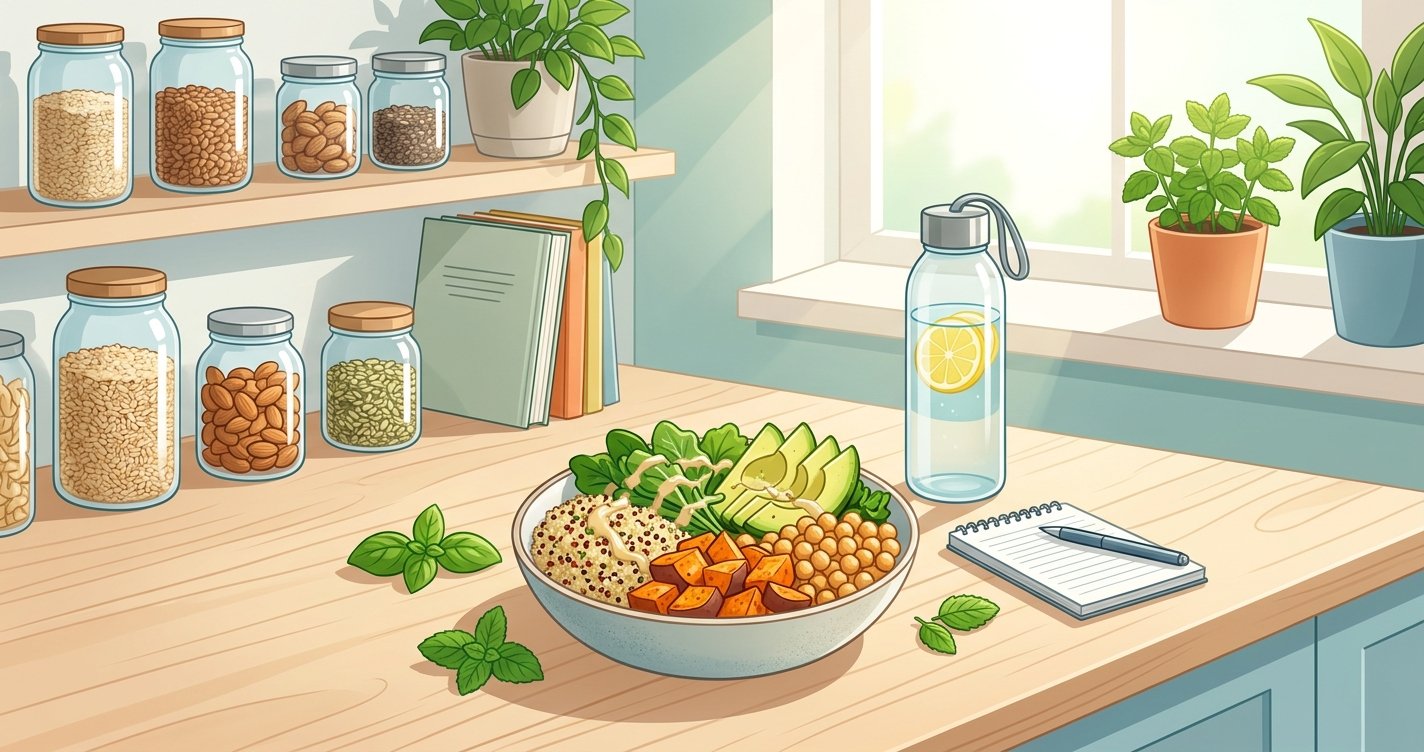
Tired of the endless cycle of restrictive diets, rapid weight loss, and then, inevitably, regaining it all back? You're not alone. In a world saturated with 'quick fix' promises, it’s easy to get caught up in the allure of immediate results. But what if we told you that the secret to lasting fat loss isn't about deprivation, but about building sustainable habits and understanding your body? This isn't just about shedding pounds; it's about transforming your relationship with food and cultivating a healthier, happier you for the long haul. Let's ditch the diet mentality and dive into evidence-based nutrition strategies that truly work, focusing on consistency, enjoyment, and real, nourishing food.
Understanding the Foundation: Calorie Deficit (Without Obsession)
At its core, fat loss boils down to a simple principle: consuming fewer calories than your body expends. This is known as a calorie deficit. While simple, it's often overcomplicated or approached with extreme restriction, which can backfire. this excellent wellness product
The Energy Balance Equation
Your body needs a certain amount of energy (calories) each day to function, from breathing to exercising. If you consistently provide less energy than it needs, your body will tap into its stored energy reserves, primarily fat, leading to fat loss. However, this doesn't mean starving yourself.
Why Extreme Restriction Backfires
Drastic calorie cuts can trigger your body's survival mechanisms. Your metabolism can slow down, energy levels plummet, and intense cravings can surface, making adherence almost impossible. It often leads to a regain of weight, sometimes even more than before, a phenomenon often called 'yo-yo dieting.' Our goal is a moderate, sustainable deficit that you can maintain consistently, allowing your body to adapt positively without feeling deprived.
The Power of Protein: Your Fat Loss Ally
If there's one macronutrient that deserves a spotlight in your fat loss journey, it's protein. Protein plays a crucial role in satiety, muscle preservation, and even metabolism.
Satiety and Muscle Preservation
Protein is incredibly satiating, meaning it helps you feel fuller for longer, reducing the likelihood of overeating or snacking on less nutritious options. Furthermore, when you're in a calorie deficit, your body can sometimes break down muscle tissue for energy. A higher protein intake helps to preserve this precious muscle mass, which is vital for maintaining a healthy metabolism and a toned physique.
Practical Protein Sources
- Lean Meats: Chicken breast, turkey, lean beef, pork tenderloin.
- Fish: Salmon, tuna, cod, tilapia (excellent source of omega-3s too!).
- Eggs: Whole eggs are a complete protein powerhouse.
- Dairy: Greek yogurt, cottage cheese, low-fat milk.
- Plant-Based: Lentils, beans, tofu, tempeh, edamame, quinoa, protein powders.
Aim to include a source of protein with every meal and snack.
Embracing Fiber-Rich Foods for Satiety and Health
Fiber is another unsung hero in the world of fat loss. It's not just good for digestion; it's a powerful tool for managing hunger and promoting overall well-being.
The Role of Fruits, Veggies, and Whole Grains
Foods high in fiber – like most fruits, vegetables, and whole grains – are typically lower in calories but high in volume. This means you can eat a larger quantity of them, feel full and satisfied, without consuming excessive calories. The fiber also slows down digestion, leading to a more gradual rise in blood sugar and sustained energy levels, preventing those dreaded energy crashes and subsequent cravings.
Gut Health Benefits
Beyond satiety, adequate fiber intake supports a healthy gut microbiome, which is increasingly linked to metabolic health, mood, and even weight management. A diverse and thriving gut can positively influence how your body stores and burns fat.
Smart Carbohydrate and Fat Choices
Carbohydrates and fats have often been demonized in diet culture, but they are essential macronutrients. The key is to choose the right types and consume them in appropriate portions.
Quality Over Quantity for Carbs
Not all carbs are created equal. Focus on complex carbohydrates that are rich in fiber and nutrients, providing sustained energy. Think whole grains (oats, brown rice, quinoa, whole wheat bread), starchy vegetables (sweet potatoes, corn, peas), and legumes. Limit highly processed, refined carbohydrates like white bread, sugary cereals, and pastries, which offer little nutritional value and can lead to energy spikes and crashes.
Healthy Fats Are Essential (In Moderation)
Fats are crucial for hormone production, nutrient absorption, and satiety. However, they are calorie-dense, so moderation is key. Opt for healthy unsaturated fats found in avocados, nuts, seeds, olive oil, and fatty fish. These fats contribute to a feeling of fullness and provide essential fatty acids that support overall health.
Building Sustainable Habits: Beyond the Plate
Sustainable fat loss isn't just about what you eat; it's about how you live. Integrating healthy habits into your daily routine is paramount for long-term success.
Mindful Eating Practices
Slow down, savor your food, and pay attention to your body's hunger and fullness cues. Eating mindfully can prevent overeating and help you truly enjoy your meals. Put away distractions like your phone or TV, and truly connect with your food.
Hydration and Sleep's Role
Often overlooked, adequate hydration and quality sleep are non-negotiables for fat loss. Dehydration can sometimes be mistaken for hunger, leading to unnecessary snacking. Aim for at least 8 glasses of water a day. Similarly, poor sleep can disrupt hormones that regulate hunger (ghrelin) and satiety (leptin), making you feel hungrier and crave unhealthy foods. Prioritize 7-9 hours of quality sleep each night.
Meal Planning and Preparation
Failing to plan is planning to fail. Dedicate some time each week to plan your meals and snacks. This reduces decision fatigue, ensures you have healthy options readily available, and minimizes the chances of impulse unhealthy choices when hunger strikes.
Navigating Social Situations and Cravings
Life happens! There will be parties, restaurant meals, and moments of intense cravings. Learning to navigate these without derailing your progress is a crucial skill.
The 80/20 Rule
Embrace flexibility. Aim to stick to your healthy eating plan 80% of the time, allowing for 20% flexibility for treats, social events, or higher-calorie meals. This approach prevents feelings of deprivation, making your plan much more sustainable and enjoyable.
Dealing with Emotional Eating
Food is often tied to emotions. Learn to identify if you're truly hungry or if you're eating out of boredom, stress, or sadness. Develop alternative coping mechanisms like going for a walk, calling a friend, or practicing mindfulness. It's okay to indulge occasionally, but understanding the root cause of emotional eating empowers you to make conscious choices.
Consistency Over Perfection: The Marathon, Not a Sprint
Your fat loss journey is not a straight line; it's a winding path with ups and downs. The most successful individuals are those who are consistent, patient, and learn to adapt.
Tracking Progress (Beyond the Scale)
While the scale can be a useful tool, it doesn't tell the whole story. Muscle gain, water retention, and hormonal fluctuations can obscure true fat loss. Take body measurements, progress photos, notice how your clothes fit, and track your energy levels and strength. Celebrate non-scale victories!
Adapting and Learning
Your body will change, and what worked initially might need adjustments. Be open to learning, experimenting, and adapting your strategies. If you hit a plateau, reassess your intake, activity levels, sleep, and stress. Don't be afraid to seek guidance from a qualified professional if needed.
Your Journey to Lasting Fat Loss Starts Now
Sustainable fat loss isn't about chasing fleeting trends or punishing your body. It's about empowering yourself with knowledge, building healthy habits, and fostering a positive relationship with food and your body. By focusing on whole, nutrient-dense foods, prioritizing protein and fiber, making smart carb and fat choices, and integrating mindful living, you're not just losing fat; you're gaining health, energy, and confidence that will last a lifetime. Be patient, be kind to yourself, and remember that every small, consistent step forward is a victory. Your body is capable of amazing things – give it the nourishment and respect it deserves.