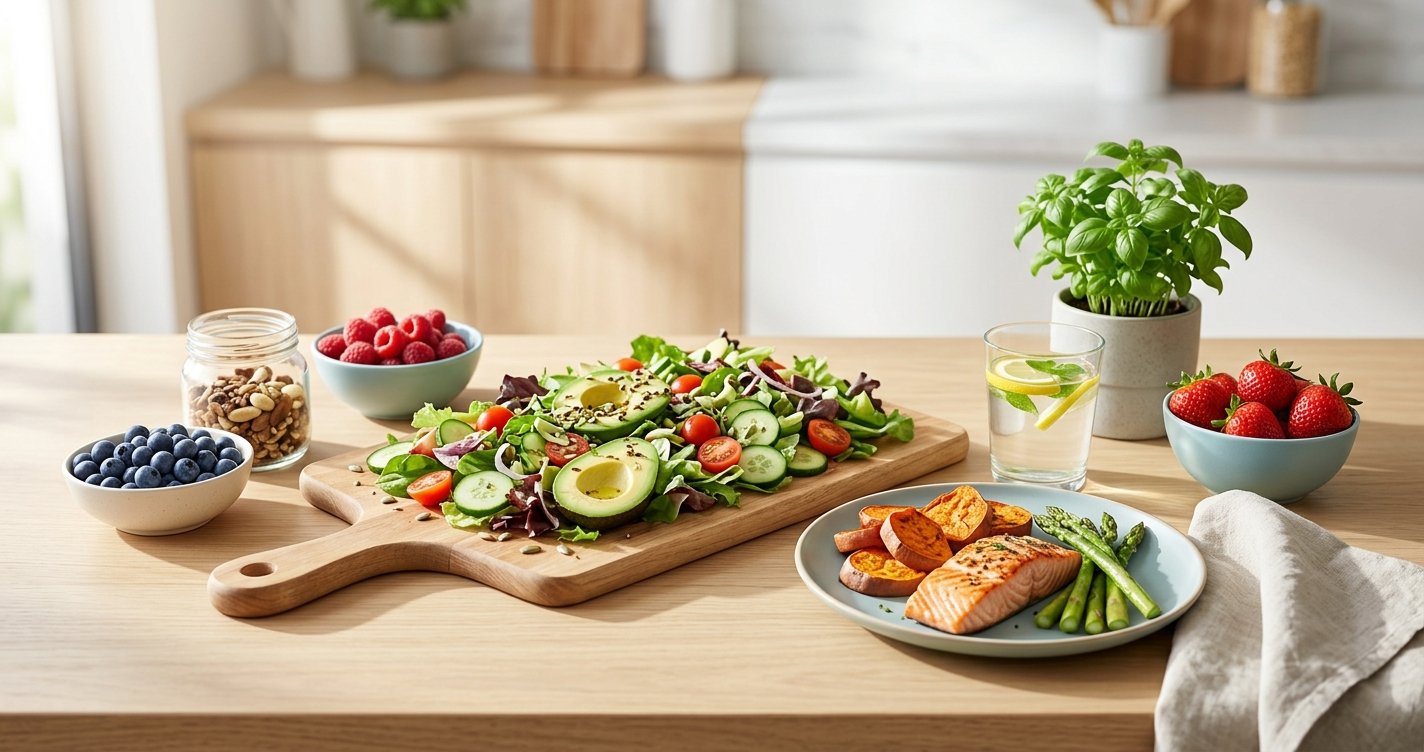
Have you ever felt caught in the endless cycle of restrictive diets, only to find yourself back where you started, or even heavier? It’s a frustrating and all-too-common experience. The truth is, quick-fix diets often fail because they’re unsustainable, leaving us feeling deprived, exhausted, and defeated. But what if there was a different way? A path to fat loss that doesn’t involve extreme deprivation, but rather, empowers you with knowledge and practical tools for lasting success?
Welcome to a new approach – one focused on sustainable nutrition strategies that nurture your body, satisfy your cravings, and help you achieve your fat loss goals without sacrificing your sanity. We’re going to explore evidence-based principles that move beyond the diet mindset, helping you build healthy habits for a lifetime. Forget the roller coaster; let's build a steady, upward trajectory to a healthier, happier you. this excellent wellness product
The Diet Rollercoaster: Why It Rarely Works
Before we dive into solutions, let's acknowledge why so many traditional diets fall short. They often preach severe calorie restriction, banish entire food groups, and create a sense of scarcity. While these methods might yield rapid initial weight loss, they're rarely maintainable. Your body, an incredibly intelligent machine, perceives extreme restriction as a threat, triggering compensatory mechanisms like slowed metabolism and increased hunger hormones. This makes adherence incredibly difficult and often leads to rebound weight gain – a phenomenon known as the 'yoyo effect'.
Our goal isn't just to lose fat; it's to create a lifestyle where fat loss is a natural byproduct of nourishing your body well. This means shifting our focus from temporary fixes to permanent habits.
Pillar 1: Calorie Awareness, Not Obsession
At its core, fat loss requires a calorie deficit – consuming fewer calories than your body burns. This is a fundamental principle, but it doesn't mean you need to meticulously count every single calorie for the rest of your life. The key is awareness, not obsession.
Understanding the Energy Balance Equation
Think of your body as a car. If you put more fuel in than it burns, the excess gets stored (as fat). If you put less in, it taps into those stored reserves. For fat loss, we aim for a gentle, sustainable deficit. Extreme deficits can backfire, slowing your metabolism and increasing muscle loss, which is counterproductive to long-term health and fat loss.
Why Extreme Restriction Backfires
When you drastically cut calories, your body adapts. It might reduce the energy it expends, making it harder to lose weight over time. Furthermore, severe restriction often leads to intense cravings and binge eating, undoing any progress and fostering a negative relationship with food.
Practical Steps: How to Create a Gentle Deficit
- Portion Control: Start by being mindful of portion sizes. Use smaller plates, measure out high-calorie foods like nuts and oils, and pay attention to serving suggestions.
- Mindful Eating: Eat slowly, savor your food, and listen to your body's hunger and fullness cues. Often, we eat past the point of satiety out of habit or distraction.
- Focus on Nutrient Density: Prioritize foods that offer a lot of nutrients for fewer calories – think vegetables, lean proteins, and whole fruits.
Pillar 2: Power Up with Protein
If there's one macronutrient that deserves special attention for fat loss, it's protein. Protein is a game-changer, and here's why:
The Satiety Superstar: How Protein Keeps You Full
Protein is incredibly satiating. Studies consistently show that a higher protein intake helps you feel fuller for longer, reducing overall calorie intake throughout the day. This means fewer cravings and less likelihood of overeating.
Muscle Matters: Preserving Lean Mass During Fat Loss
When you're in a calorie deficit, your body can lose both fat and muscle. Adequate protein intake helps preserve precious muscle mass. Why is this important? Muscle is metabolically active, meaning it burns more calories at rest than fat does. Maintaining muscle helps keep your metabolism humming, making it easier to sustain fat loss.
Smart Protein Choices: Sources and Strategies
- Lean Meats & Poultry: Chicken breast, turkey, lean beef, pork loin.
- Fish & Seafood: Salmon, tuna, cod, shrimp (packed with omega-3s too!).
- Eggs: A versatile and complete protein source.
- Dairy: Greek yogurt, cottage cheese, milk (opt for lower-fat versions if managing calories).
- Plant-Based: Lentils, beans, tofu, tempeh, edamame, quinoa, protein powder.
Aim to include a good source of protein with every meal and snack.
Pillar 3: Embrace Whole Foods (Carbs & Fats Included!)
You don't need to demonize carbohydrates or fats to lose fat. The key is choosing the right types and quantities.
The Truth About Carbohydrates: Quality Over Quantity
Not all carbs are created equal. Focus on complex, fiber-rich carbohydrates that provide sustained energy and keep you full. These include:
- Whole Grains: Oats, brown rice, quinoa, whole-wheat bread.
- Vegetables: All vegetables are excellent sources of fiber and nutrients.
- Fruits: Berries, apples, bananas – natural sweetness with vitamins and fiber.
Limit refined carbohydrates like white bread, sugary cereals, and pastries, which offer little nutritional value and can lead to energy crashes and increased hunger.
Healthy Fats: Essential for Hormones and Satiety
Fats are vital for hormone production, nutrient absorption, and overall health. They also contribute to satiety. The trick is to choose healthy, unsaturated fats in moderation, as they are calorie-dense.
- Avocado: Creamy, delicious, and nutrient-packed.
- Nuts & Seeds: Almonds, walnuts, chia seeds, flax seeds (great for snacks).
- Olive Oil: Excellent for cooking and dressings.
- Fatty Fish: Salmon, mackerel (also great protein sources!).
Avoid trans fats found in many processed and fried foods.
The Micronutrient Advantage: Why Whole Foods Reign Supreme
Whole, unprocessed foods are packed with vitamins, minerals, and antioxidants – essential micronutrients that support every bodily function, including metabolism. When you prioritize whole foods, you're not just fueling your body; you're nourishing it at a cellular level, optimizing its ability to burn fat and thrive.
Pillar 4: Hydration & Mindful Eating
These often-overlooked aspects play a significant role in your fat loss journey.
The Unsung Hero: Water's Role in Fat Loss
Staying well-hydrated is crucial. Water helps with metabolism, can reduce hunger (sometimes thirst is mistaken for hunger), and supports overall bodily functions. Aim for at least 8 glasses a day, and more if you're active.
Tuning In: Practicing Mindful Eating
Mindful eating is about paying attention to your food – its taste, texture, and aroma – and recognizing your body's hunger and fullness signals. It helps you prevent overeating and truly enjoy your meals. Try putting down your fork between bites, chewing thoroughly, and avoiding distractions like TV or your phone during meals.
Navigating Cravings: Strategies for Success
Cravings are normal! Instead of fighting them, try these strategies:
- Delay, Don't Deny: Give yourself 10-15 minutes. Often, the craving passes.
- Healthy Swaps: Can you find a healthier alternative that satisfies a similar craving (e.g., fruit instead of candy, air-popped popcorn instead of chips)?
- Small Indulgences: If you truly want something, allow yourself a small, mindful portion, then move on. Complete deprivation often leads to binging.
Beyond the Plate: Lifestyle Factors
Nutrition is paramount, but fat loss is a holistic endeavor. Other lifestyle factors significantly impact your success.
The Sleep-Fat Loss Connection
Lack of sleep disrupts hunger-regulating hormones (ghrelin and leptin), making you hungrier and more prone to cravings for unhealthy foods. Aim for 7-9 hours of quality sleep per night.
Stress Management: Cortisol and Cravings
Chronic stress elevates cortisol levels, which can promote fat storage, especially around the midsection. Find healthy ways to manage stress, such as meditation, yoga, spending time in nature, or hobbies you enjoy.
Movement: Finding Joy in Activity (Not Just Exercise)
You don't need to spend hours in the gym, especially when starting. Find activities you genuinely enjoy – walking, dancing, gardening, cycling. Regular movement boosts your metabolism, improves mood, and complements your nutrition efforts beautifully.
Putting It All Together: Your Sustainable Fat Loss Journey
Remember, this is a journey, not a race. Sustainable fat loss is about making consistent, small changes that build into powerful habits over time.
Small Changes, Big Results
Don't try to overhaul everything at once. Pick one or two strategies from this guide and focus on implementing them consistently for a few weeks. Once they feel natural, add another. These small victories build confidence and momentum.
Patience and Persistence
Progress isn't always linear. There will be good days and challenging days. Don't let a slip-up derail your entire effort. Get back on track with your next meal or the next day. Consistency over perfection is key.
Seek Support
Whether it's a supportive friend, family member, or a health professional, having a support system can make a huge difference. You don't have to do this alone.
Conclusion: Your Path to a Healthier, Happier You
Moving beyond restrictive diets and embracing sustainable nutrition strategies is the most powerful step you can take for lasting fat loss and overall well-being. By focusing on calorie awareness, prioritizing protein, choosing whole foods, staying hydrated, eating mindfully, and managing lifestyle factors, you're not just losing fat; you're building a foundation for a healthier, more vibrant life.
Embrace this journey with kindness, curiosity, and consistency. Your body is capable of amazing things when you nourish it with respect and understanding. Here's to a healthier, happier, and more sustainable you!