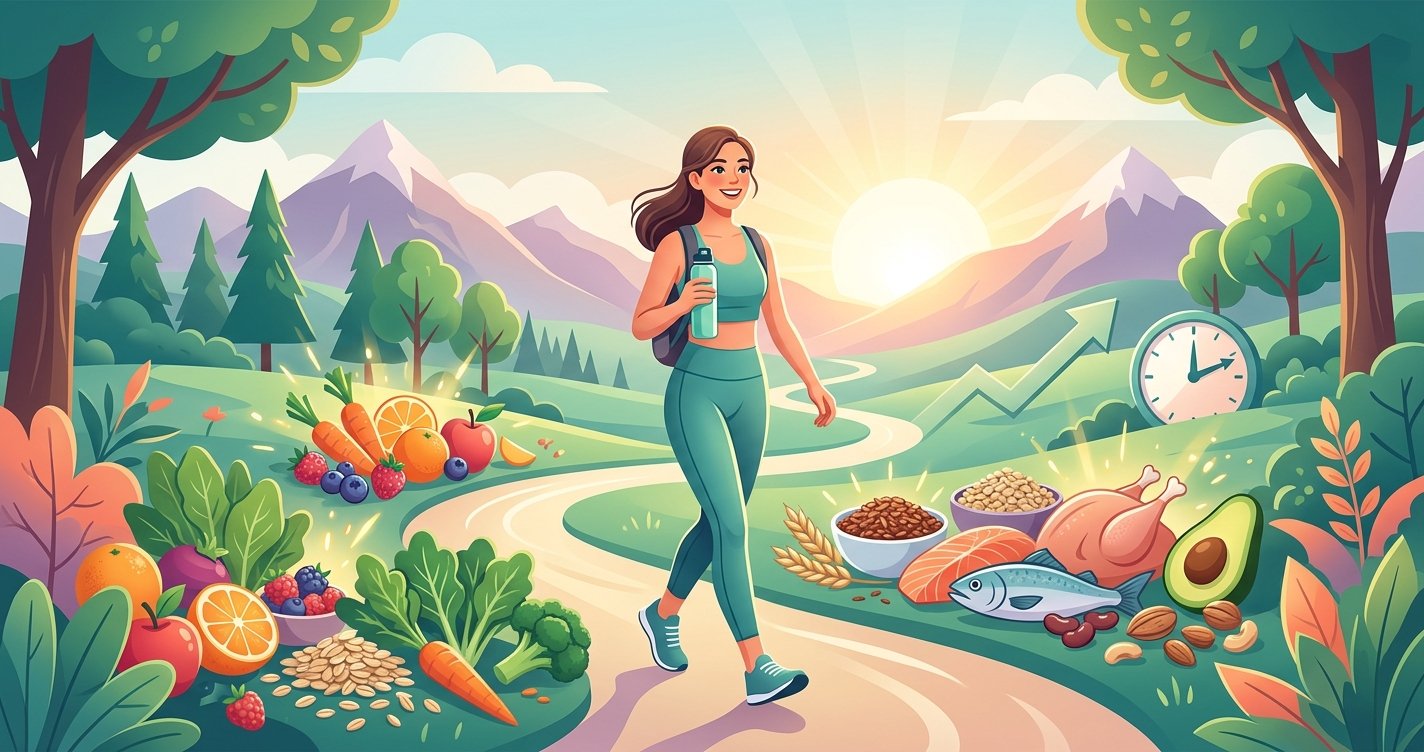
Embarking on a fat loss journey can often feel like navigating a maze of conflicting advice, restrictive diets, and quick fixes that promise the world but rarely deliver lasting results. You've probably heard it all: cut carbs, avoid fats, juice cleanse, intermittent fast, only eat grapefruit! It's enough to make anyone's head spin. But what if we told you that sustainable, long-term fat loss doesn't have to be about deprivation or extreme measures? What if it's about understanding your body, nourishing it with wholesome foods, and building habits that last a lifetime?
This isn't just about shedding pounds; it's about transforming your relationship with food, boosting your energy, and feeling incredible in your own skin. Forget the fad diets and the guilt trips. We're here to guide you through evidence-based nutrition strategies that are not only effective for fat loss but are also enjoyable, flexible, and, most importantly, sustainable. Let's ditch the diet mentality and embrace a journey towards a healthier, happier you! this excellent wellness product
The Unshakeable Foundation: Understanding Your Calorie Deficit
At the heart of all fat loss lies one fundamental principle: a calorie deficit. Simply put, you need to consume fewer calories than your body burns over time. Your body, being an intelligent machine, will then turn to its stored energy reserves (fat) to make up the difference. While this sounds simple, its application is where many get lost.
It's crucial to understand that a calorie deficit doesn't mean starvation. Extreme deficits can lead to muscle loss, nutrient deficiencies, and metabolic slowdown, making sustainable fat loss incredibly difficult. The goal is a moderate deficit, typically 300-500 calories below your maintenance level, allowing for steady, healthy fat loss without sacrificing your well-being or energy levels.
How to Estimate Your Calorie Needs for Sustainable Fat Loss
So, how do you figure out your magic number? Your Basal Metabolic Rate (BMR) is the calories your body burns at rest, and your Total Daily Energy Expenditure (TDEE) includes your BMR plus the calories burned through activity. Online calculators (like Mifflin-St Jeor or Katch-McArdle equations) can provide a good starting estimate. However, the most accurate method involves a bit of self-experimentation:
- Track Your Intake: For a few days, meticulously log everything you eat and drink using a food tracking app.
- Monitor Your Weight: Observe your weight over these days. If it's stable, the average calories you consumed are roughly your maintenance calories.
- Adjust for Deficit: Subtract 300-500 calories from that maintenance number to create your sustainable fat loss target.
Remember, these numbers are dynamic. As you lose weight or your activity levels change, your calorie needs will adjust. Regular check-ins and flexibility are key.
Macronutrients Matter: Fueling Your Body Right for Fat Loss
While total calories are king for fat loss, the composition of those calories (your macronutrients: protein, carbohydrates, and fats) plays a vital role in how you feel, your satiety levels, and your body composition. Getting your macros right can make your fat loss journey significantly more comfortable and effective.
Protein: Your Best Friend for Fat Loss and Muscle Preservation
If there's one macronutrient to prioritize for fat loss, it's protein. Here's why:
- Satiety: Protein is incredibly filling. It helps you feel fuller for longer, reducing overall calorie intake.
- Thermic Effect of Food (TEF): Protein has a higher TEF than carbs or fats, meaning your body burns more calories digesting it.
- Muscle Preservation: When you're in a calorie deficit, there's a risk of losing muscle along with fat. Adequate protein intake, especially combined with resistance training, helps preserve precious muscle mass, which is crucial for maintaining a healthy metabolism.
Aim for 0.7-1.0 grams of protein per pound of body weight (or target body weight) daily, distributed across your meals.
Carbohydrates: Not the Enemy, But Choose Wisely
Carbohydrates have unfairly been demonized in many fat loss circles. The truth is, quality carbs are essential for energy, brain function, and fiber intake. The key is choosing the right types:
- Complex Carbs: Focus on whole grains (oats, brown rice, quinoa), fruits, and vegetables. These are rich in fiber, which aids digestion, promotes satiety, and helps regulate blood sugar.
- Limit Refined Carbs: Minimize sugary drinks, white bread, pastries, and processed snacks. These offer little nutritional value, spike blood sugar, and contribute to cravings.
Carbohydrates are your body's preferred energy source, especially if you're active. Don't fear them; strategically include them.
Fats: Essential for Health, But Portion Control is Key
Dietary fats are crucial for hormone production, nutrient absorption, and overall health. However, fats are calorie-dense (9 calories per gram compared to 4 for protein and carbs), so portion control is paramount for fat loss.
- Healthy Fats: Prioritize sources like avocados, nuts, seeds, olive oil, and fatty fish (salmon, mackerel).
- Avoid Trans Fats: Steer clear of partially hydrogenated oils found in many processed foods.
Include healthy fats in moderation to support satiety and bodily functions without overshooting your calorie target.
The Power of Whole Foods: Fueling Your Body with Integrity
Beyond macronutrients, the quality of your food choices makes a monumental difference. Focusing on whole, unprocessed foods is arguably the most impactful sustainable nutrition strategy for fat loss.
- Nutrient Density: Whole foods are packed with vitamins, minerals, antioxidants, and fiber. They provide the nutrients your body needs to function optimally, preventing deficiencies that can lead to cravings.
- Satiety and Volume: Foods like fruits, vegetables, and lean proteins are high in water and fiber, meaning you can eat a larger volume for fewer calories, keeping you full and satisfied.
- Reduced Processing: Processed foods often contain hidden sugars, unhealthy fats, and artificial ingredients that contribute to inflammation, poor gut health, and increased calorie intake without providing real nourishment.
Make vegetables the star of your plate, choose lean proteins, opt for whole grains, and incorporate healthy fats. This simple shift will naturally reduce your calorie intake while boosting your nutrient consumption.
Hydration and Fiber: Your Unsung Heroes in Fat Loss
Often overlooked, adequate hydration and fiber intake are powerful allies in your fat loss journey.
- Water: Drinking enough water (aim for 2-3 liters daily) supports metabolism, aids in nutrient transport, and can help manage hunger cues. Sometimes, what feels like hunger is actually thirst.
- Fiber: Found in plant-based foods, fiber adds bulk to your diet without adding many calories. It slows digestion, stabilizes blood sugar, and promotes a healthy gut microbiome, all of which contribute to satiety and effective fat loss.
Mindful Eating and Lifestyle Habits: Beyond the Plate
Sustainable fat loss isn't just about what you eat, but also how you eat and how you live. Integrating mindful eating practices and supportive lifestyle habits can dramatically enhance your results and overall well-being.
- Listen to Your Body: Eat when you're truly hungry and stop when you're satisfied, not stuffed. Pay attention to your body's natural hunger and fullness cues.
- Slow Down: Eat without distractions. Savor your food. It takes about 20 minutes for your brain to register fullness, so eating slowly gives your body time to catch up.
- Plan Ahead: Meal prepping or planning your meals in advance can prevent impulsive, unhealthy food choices when hunger strikes.
Prioritize Sleep and Manage Stress for Optimal Fat Loss
Your lifestyle outside of eating habits profoundly impacts your ability to lose fat:
- Sleep: Insufficient sleep disrupts hormones that regulate hunger (ghrelin) and satiety (leptin), leading to increased cravings and calorie intake. Aim for 7-9 hours of quality sleep per night.
- Stress Management: Chronic stress elevates cortisol levels, which can promote fat storage, especially around the midsection. Incorporate stress-reducing activities like meditation, yoga, or spending time in nature.
Consistency Over Perfection: The Path to Long-Term Success
The most crucial ingredient for sustainable fat loss is consistency. There will be days when you overeat, miss a workout, or make less-than-ideal choices. That's okay! One meal or one day won't derail your progress. What matters is getting back on track with your healthy habits the next opportunity you get.
Embrace the journey, celebrate small victories, and be patient with yourself. Sustainable fat loss is a marathon, not a sprint. Focus on building habits that you can maintain for life, not just until you reach a certain number on the scale. This holistic approach ensures not just fat loss, but also improved health, energy, and a positive relationship with your body.
By understanding your calorie needs, prioritizing protein, choosing whole foods, staying hydrated, embracing mindful eating, and supporting your body with adequate sleep and stress management, you're not just losing fat; you're building a foundation for a vibrant, healthy life. You've got this!