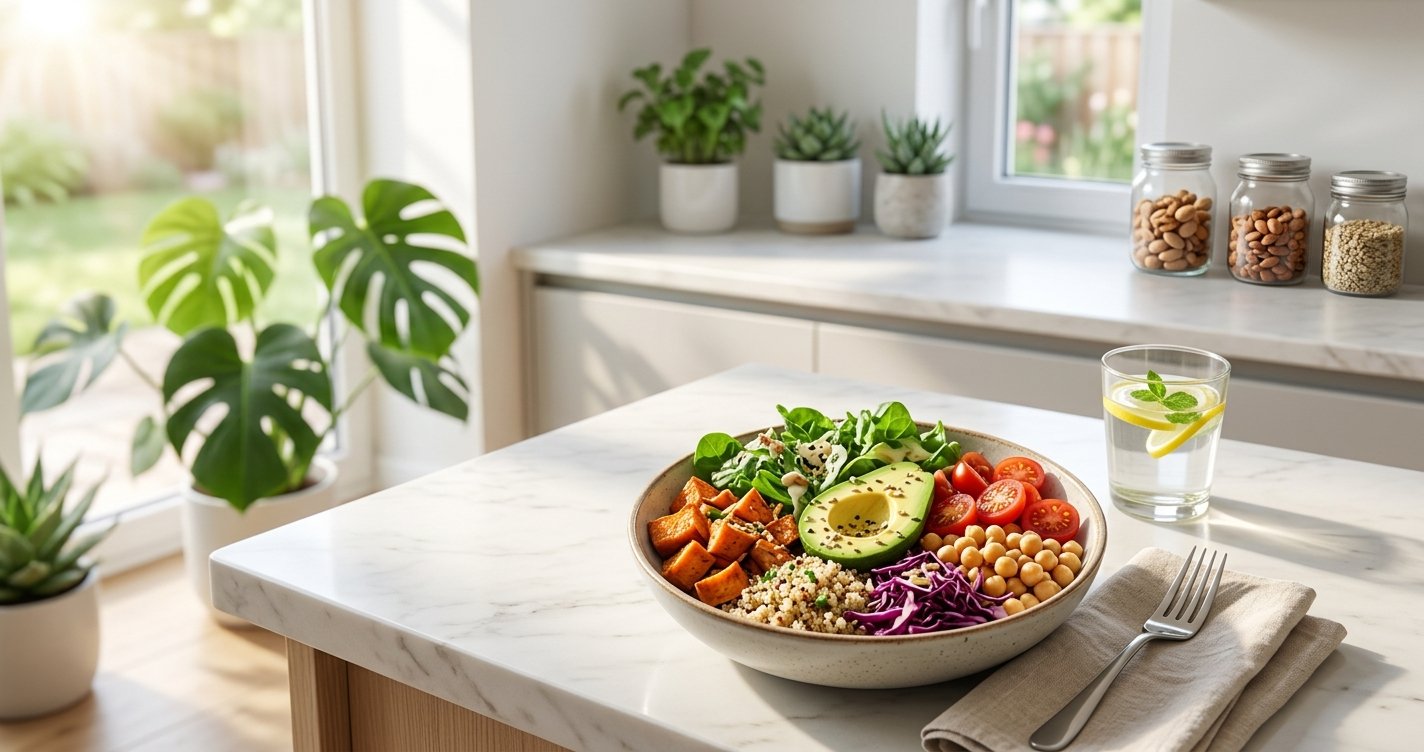
Are you tired of the yo-yo diet cycle? Do you feel like you're constantly searching for the next miracle solution to shed those stubborn pounds, only to find yourself back where you started (or even further behind)? You're not alone. In a world saturated with quick fixes, restrictive diets, and overwhelming information, it's easy to get lost. But what if we told you that the secret to lasting fat loss isn't about deprivation or extreme measures, but about building a simple, enjoyable, and most importantly, sustainable nutrition strategy?
This isn't about dieting; it's about understanding your body, fueling it wisely, and creating habits that support your goals for the long haul. We're going to dive into evidence-based principles that empower you to take control of your health and achieve genuine, lasting fat loss without sacrificing your sanity or your favorite foods entirely. Let's ditch the frustration and embrace a smarter, more effective approach! this excellent wellness product
Why "Quick Fixes" Don't Work (and What Does!)
The allure of rapid results is powerful. "Lose 10 pounds in a week!" "Shred fat with this one trick!" These headlines grab our attention because they promise an easy escape from a complex problem. However, most extreme diets lead to a vicious cycle. They often involve severe calorie restriction, cutting out entire food groups, and an unsustainable level of discipline. While you might see initial weight loss, much of it is often water and muscle, not just fat.
The moment you return to a more normal eating pattern, your body, which has been in a state of perceived starvation, is primed to store fat efficiently. This is the dreaded rebound, often leading to more frustration and a feeling of failure. The truth is, true sustainable fat loss requires a shift in mindset from short-term fixes to long-term habits. It's about building a foundation of healthy eating that you can maintain effortlessly, not just for a few weeks, but for life.
The Foundation: Understanding Your Calorie Deficit
What is a Calorie Deficit?
At its core, fat loss boils down to one fundamental principle: consuming fewer calories than your body expends. This is known as creating a calorie deficit. When you consistently provide your body with slightly less energy than it needs to maintain its current weight, it's forced to tap into its stored energy reserves – primarily body fat – to make up the difference. It sounds simple, and in theory, it is. The challenge lies in doing it consistently and sustainably.
Think of your body like a car. If you put less fuel in than it burns, the fuel tank (your fat stores) will gradually empty. A small, manageable deficit (typically 300-500 calories below your maintenance) is far more effective and sustainable than a drastic one. It allows for steady fat loss while preserving muscle mass and preventing the metabolic slowdown associated with extreme dieting.
How to Estimate Your Needs (Without Obsession)
You don't need to become a human calculator, but having a general idea of your daily calorie needs can be incredibly helpful. You can start by using an online Total Daily Energy Expenditure (TDEE) calculator. These tools take into account your age, sex, weight, height, and activity level to estimate how many calories your body burns in a day. Once you have this number, subtract 300-500 calories to create your target deficit.
Remember, these are just estimates. Your body is unique, and its needs can change. The best approach is to track your food intake for a few days to get a baseline, then adjust based on your progress. If you're losing 1-2 pounds per week, you're likely in a good deficit. If not, make small adjustments. The goal isn't obsession; it's awareness and gentle guidance.
The Power Trio: Protein, Fiber, and Healthy Fats
While a calorie deficit is the engine of fat loss, the quality of those calories dictates how you feel, how much muscle you retain, and how satisfied you are. Focusing on specific macronutrients can make your journey much smoother.
Protein: Your Muscle-Preserving, Satiety-Boosting Ally
Protein is arguably the most crucial macronutrient for fat loss. Here's why:
- Satiety: Protein is incredibly filling. Including adequate protein in each meal helps you feel fuller for longer, reducing the urge to snack unnecessarily.
- Muscle Preservation: When you're in a calorie deficit, there's a risk of losing muscle mass along with fat. Protein helps to preserve your precious muscle, which is metabolically active and helps burn more calories at rest.
- Thermic Effect of Food (TEF): Protein has a higher TEF than carbs or fats, meaning your body burns more calories just to digest and metabolize it.
Aim for 0.7-1 gram of protein per pound of your target body weight. Excellent sources include:
- Lean meats (chicken breast, turkey, lean beef)
- Fish and seafood
- Eggs
- Dairy (Greek yogurt, cottage cheese)
- Legumes (beans, lentils)
- Tofu and tempeh
- Protein powder (whey, casein, plant-based)
Fiber: The Gut-Friendly Fullness Factor
Fiber is another unsung hero in the fat loss journey. It's a type of carbohydrate that your body can't digest, and it plays several vital roles:
- Satiety: Like protein, fiber adds bulk to your meals, helping you feel full and satisfied without adding many calories.
- Blood Sugar Control: Soluble fiber helps slow down the absorption of sugar, preventing rapid spikes and crashes that can lead to cravings.
- Digestive Health: Fiber promotes a healthy gut microbiome, which is increasingly linked to weight management and overall health.
Focus on getting fiber from whole food sources. Good options include:
- Fruits (berries, apples, pears)
- Vegetables (broccoli, spinach, carrots, sweet potatoes)
- Whole grains (oats, quinoa, brown rice, whole-wheat bread)
- Legumes (beans, lentils, chickpeas)
- Nuts and seeds
Healthy Fats: Essential for Hormones and Satiety
Don't be afraid of fats! While calorie-dense, healthy fats are essential for hormone production, nutrient absorption, and yes, even satiety. They add flavor and richness to your meals, making them more enjoyable and helping you feel content.
Focus on unsaturated fats and limit saturated and trans fats. Include sources like:
- Avocado
- Nuts and seeds (almonds, walnuts, chia seeds, flax seeds)
- Olive oil
- Fatty fish (salmon, mackerel)
Beyond the Plate: Mindful Eating and Lifestyle Habits
Your journey to sustainable fat loss isn't just about what you eat, but how you eat and how you live. These lifestyle factors are often overlooked but are incredibly powerful.
Tune In: The Art of Mindful Eating
In our fast-paced world, eating often becomes a secondary activity, done while scrolling, working, or watching TV. Mindful eating means paying full attention to your food – its smell, taste, texture, and how your body responds. It helps you:
- Recognize true hunger and fullness cues.
- Enjoy your food more, leading to greater satisfaction.
- Slow down, which aids digestion and allows your body time to register fullness.
- Identify emotional eating triggers.
Try these tips: eat without distractions, chew slowly, savor each bite, and pause halfway through your meal to check in with your hunger levels.
Hydration: Often Overlooked, Always Important
Water is vital for countless bodily functions, including metabolism. Sometimes, what feels like hunger is actually thirst. Drinking plenty of water can help you feel fuller, support proper digestion, and even boost your metabolism slightly. Aim for at least 8 glasses (around 2 liters) of water per day, and more if you're active.
Sleep and Stress: The Silent Saboteurs
You can eat perfectly and exercise diligently, but if your sleep is poor and your stress levels are through the roof, fat loss will be an uphill battle. Lack of sleep and chronic stress wreak havoc on your hormones:
- Ghrelin and Leptin: Poor sleep increases ghrelin (the hunger hormone) and decreases leptin (the satiety hormone), making you hungrier and less satisfied.
- Cortisol: Stress elevates cortisol, which can promote fat storage, especially around the belly, and increase cravings for high-calorie comfort foods.
Prioritize 7-9 hours of quality sleep per night and find effective ways to manage stress, whether through meditation, yoga, spending time in nature, or hobbies you enjoy.
Building Your Personalized, Sustainable Plan
There's no one-size-fits-all approach to fat loss, but by incorporating these principles, you can build a plan that works uniquely for you. Here are the key takeaways to guide your journey:
- Start Small: Don't overhaul everything at once. Pick one or two habits to focus on each week.
- Prioritize Whole Foods: Build your meals around lean protein, plenty of vegetables, fruits, whole grains, and healthy fats.
- Master the Calorie Deficit: Understand your energy needs and create a modest, consistent deficit without feeling deprived.
- Boost Protein and Fiber: These two macronutrients are your best friends for satiety and muscle preservation.
- Practice Mindful Eating: Pay attention to your body's signals and enjoy your food.
- Hydrate Regularly: Drink plenty of water throughout the day.
- Prioritize Sleep and Stress Management: These are non-negotiable for hormonal balance and overall well-being.
- Be Patient and Consistent: Sustainable fat loss is a marathon, not a sprint. Celebrate small victories and learn from setbacks.
Your journey to lasting fat loss isn't about perfection; it's about progress, self-compassion, and building habits that serve your health and happiness. By focusing on a sustainable nutrition strategy and embracing a holistic approach, you're not just losing weight – you're gaining a healthier, stronger, and more confident you. Start today, one smart choice at a time, and watch your body and life transform!