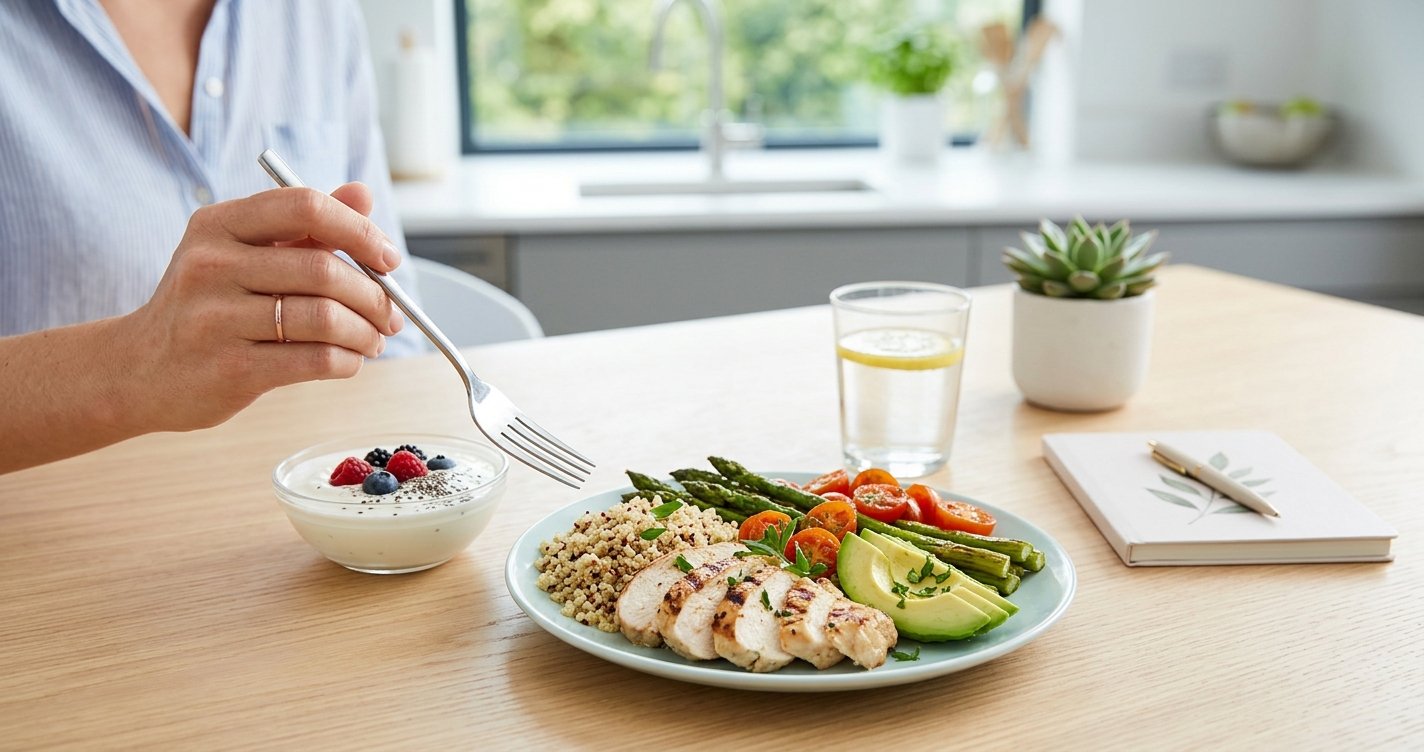
Are you on a fat loss journey, feeling like you’re doing everything right but still hitting frustrating plateaus? Or perhaps you’re tired of restrictive diets that leave you hungry, depleted, and ultimately lead to regaining lost weight? We get it. Fat loss can feel like a complex puzzle, but what if we told you there’s one powerful, often underestimated nutrient that can significantly simplify your path to sustainable results? Enter protein – your secret weapon for a leaner, stronger, and more satisfied you.
Forget the fad diets and extreme deprivation. This guide will dive deep into the evidence-based reasons why protein isn’t just good for you, but absolutely essential for effective and sustainable fat loss. We’ll explore how it keeps you full, preserves muscle, and even burns more calories in the process. Get ready to transform your approach to eating and unlock your body’s true fat-burning potential, all while feeling nourished and energized. this excellent wellness product
Why Protein is Your Fat Loss Best Friend
Protein plays multiple crucial roles in the body, but for fat loss, its benefits are truly unparalleled. Let's break down the science behind why this macronutrient deserves a starring role in your diet.
The Satiety Superstar: Feeling Fuller, Longer
One of the biggest challenges in any fat loss journey is managing hunger. Cravings and persistent hunger can derail even the most determined efforts. This is where protein shines! Numerous studies show that protein is the most satiating macronutrient, meaning it helps you feel fuller and more satisfied for longer periods compared to carbohydrates or fats. This isn't just a feeling; it's backed by hormonal responses. Eating protein helps suppress ghrelin (your hunger hormone) and boosts peptide YY (PYY) and cholecystokinin (CCK) – hormones that promote feelings of fullness. By incorporating adequate protein into your meals, you’ll naturally reduce overall calorie intake by curbing unnecessary snacking and overeating.
Muscle Maintenance Master: Preserve Your Gains
When you’re in a calorie deficit to lose fat, your body doesn't always discriminate between fat and muscle. Unfortunately, muscle tissue can also be broken down for energy. This is a problem because muscle is metabolically active, meaning it burns more calories at rest than fat tissue. Losing muscle can slow down your metabolism, making future fat loss harder and increasing the likelihood of weight regain. A higher protein intake helps to protect your precious muscle mass during a calorie deficit. It provides the essential amino acids needed for muscle repair and synthesis, ensuring that the weight you lose is predominantly fat, not muscle.
The Thermic Effect: Burning More Calories Just by Eating
Did you know that your body expends energy just to digest and process the food you eat? This is known as the Thermic Effect of Food (TEF). Protein has a significantly higher TEF than carbohydrates or fats. While carbs require about 5-10% of their calories to be burned during digestion and fats about 0-3%, protein demands a whopping 20-30%! This means that for every 100 calories of protein you consume, your body uses 20-30 calories just to break it down. While it might seem like a small amount, this metabolic boost adds up over time, contributing to a greater overall calorie expenditure and making your fat loss efforts more efficient.
How Much Protein Do You Really Need?
The common dietary recommendations for protein often fall short for individuals actively pursuing fat loss. While the Recommended Dietary Allowance (RDA) is 0.8 grams of protein per kilogram of body weight, this is merely the minimum to prevent deficiency, not necessarily optimal for body composition goals.
Calculating Your Ideal Intake
For fat loss, a more effective range typically falls between 1.6 to 2.2 grams of protein per kilogram of body weight (or 0.7 to 1.0 grams per pound of body weight). For example, if you weigh 70 kg (about 154 lbs), aiming for 112 to 154 grams of protein per day would be a great starting point. Factors like your activity level, age, and current body composition can influence these numbers. Highly active individuals or those with significant muscle mass might benefit from the higher end of the spectrum.
Here’s a simple way to estimate:
- For general fat loss: Multiply your target body weight in pounds by 0.7-1.0.
- For active individuals/strength training: Multiply your current body weight in pounds by 0.8-1.2.
Remember, consistency is key, so find a range that feels sustainable for you.
Dispelling the “Too Much Protein” Myth
You might have heard concerns about high protein intake being harmful to your kidneys. For healthy individuals with no pre-existing kidney conditions, research consistently shows that a high protein diet, even up to 3.4 g/kg of body weight, is safe and does not negatively impact kidney function. As always, if you have any underlying health concerns, it’s wise to consult with a healthcare professional or registered dietitian.
Smart Strategies to Boost Your Protein Intake
Hitting your protein targets might seem daunting at first, but with a few smart strategies, it becomes second nature. The goal is to distribute your protein intake throughout the day rather than front-loading it all in one meal.
Breakfast Boosters
Start your day strong! Many traditional breakfast options are carb-heavy. Shift your focus:
- Eggs: Scrambled, poached, or in an omelet with veggies.
- Greek Yogurt: High in protein, low in sugar (opt for plain), add berries.
- Cottage Cheese: Excellent source of casein protein, great with fruit or savory.
- Protein Smoothie: Blend protein powder with fruit, spinach, and unsweetened almond milk.
Lunch & Dinner Power-Ups
Make protein the centerpiece of your main meals:
- Lean Meats: Chicken breast, turkey, lean beef, pork tenderloin.
- Fish: Salmon, tuna, cod, tilapia (excellent for omega-3s too).
- Legumes: Lentils, chickpeas, black beans (combine with grains for complete protein).
- Tofu/Tempeh: Versatile plant-based options for stir-fries, salads, or grilling.
- Quinoa: A complete protein grain, great as a side or base for bowls.
Snack Smart, Not Sorry
Strategic snacking can help you reach your daily protein goals and keep hunger at bay:
- Hard-boiled eggs
- A handful of almonds or other nuts
- Edamame
- Protein bars (choose wisely, check sugar content)
- Jerky or biltong
- Cheese sticks
The Role of Protein Supplements (and when to use them)
Protein powders (whey, casein, plant-based) can be incredibly convenient, especially for busy individuals or those with higher protein needs. They are not magic bullets but a tool to help you meet your daily targets when whole food sources are impractical. They are particularly useful post-workout for muscle recovery or as a quick meal replacement component. Always prioritize whole food sources, but don’t hesitate to use supplements strategically.
Combining Protein with a Smart Calorie Deficit
While protein is a powerful ally, it’s crucial to remember that fat loss ultimately comes down to creating a sustainable calorie deficit – consuming fewer calories than your body expends. Protein helps facilitate this deficit, but it doesn't negate the need for it.
Understanding Energy Balance
Your Total Daily Energy Expenditure (TDEE) is the total number of calories your body burns in a day. To lose fat, you need to consistently eat below your TDEE. A moderate deficit of 300-500 calories per day is generally recommended for sustainable fat loss, leading to about 1-2 pounds of fat loss per week. Protein makes maintaining this deficit much easier by enhancing satiety and preserving muscle, which helps keep your metabolism humming.
Practical Tips for Creating a Sustainable Deficit
- Track Your Intake (Initially): Use an app to log your food for a few days to understand your current calorie and protein intake. This provides a baseline.
- Prioritize Protein & Fiber: Focus your meals around lean protein sources and plenty of fiber-rich vegetables and fruits. These are nutrient-dense and highly satiating.
- Mindful Eating: Pay attention to your body’s hunger and fullness cues. Eat slowly, savor your food, and put down your fork between bites.
- Stay Hydrated: Sometimes thirst is mistaken for hunger. Drink plenty of water throughout the day.
- Portion Control: Even healthy foods can contribute to a calorie surplus if consumed in excess. Be mindful of portion sizes, especially for calorie-dense foods like nuts, oils, and grains.
Beyond the Plate: Lifestyle Factors for Success
While nutrition, especially protein intake, is foundational, remember that fat loss is a holistic journey. Don't overlook these critical lifestyle factors:
- Adequate Sleep: Poor sleep can disrupt hunger hormones (ghrelin and leptin), increase cravings, and impair insulin sensitivity, making fat loss more challenging. Aim for 7-9 hours of quality sleep per night.
- Stress Management: Chronic stress elevates cortisol levels, which can promote fat storage, particularly around the midsection. Incorporate stress-reducing activities like meditation, yoga, or spending time in nature.
- Consistent Activity: While you can't out-exercise a bad diet, regular physical activity, including both strength training and cardiovascular exercise, is crucial for burning calories, building muscle, and improving overall health.
Your Sustainable Fat Loss Journey Starts Now
Embracing protein as a cornerstone of your diet isn't about restriction; it's about empowerment. It’s about feeling satisfied, maintaining energy, and building a stronger, healthier body that efficiently burns fat. By understanding its profound benefits and implementing smart strategies to increase your intake, you're not just losing weight; you're cultivating a sustainable, nourishing lifestyle.
Remember, consistency trumps perfection. Start small, make gradual changes, and celebrate every victory along the way. Your journey to sustainable fat loss, fueled by the incredible power of protein, is well within your reach. What small step will you take today to embrace your fat loss best friend?