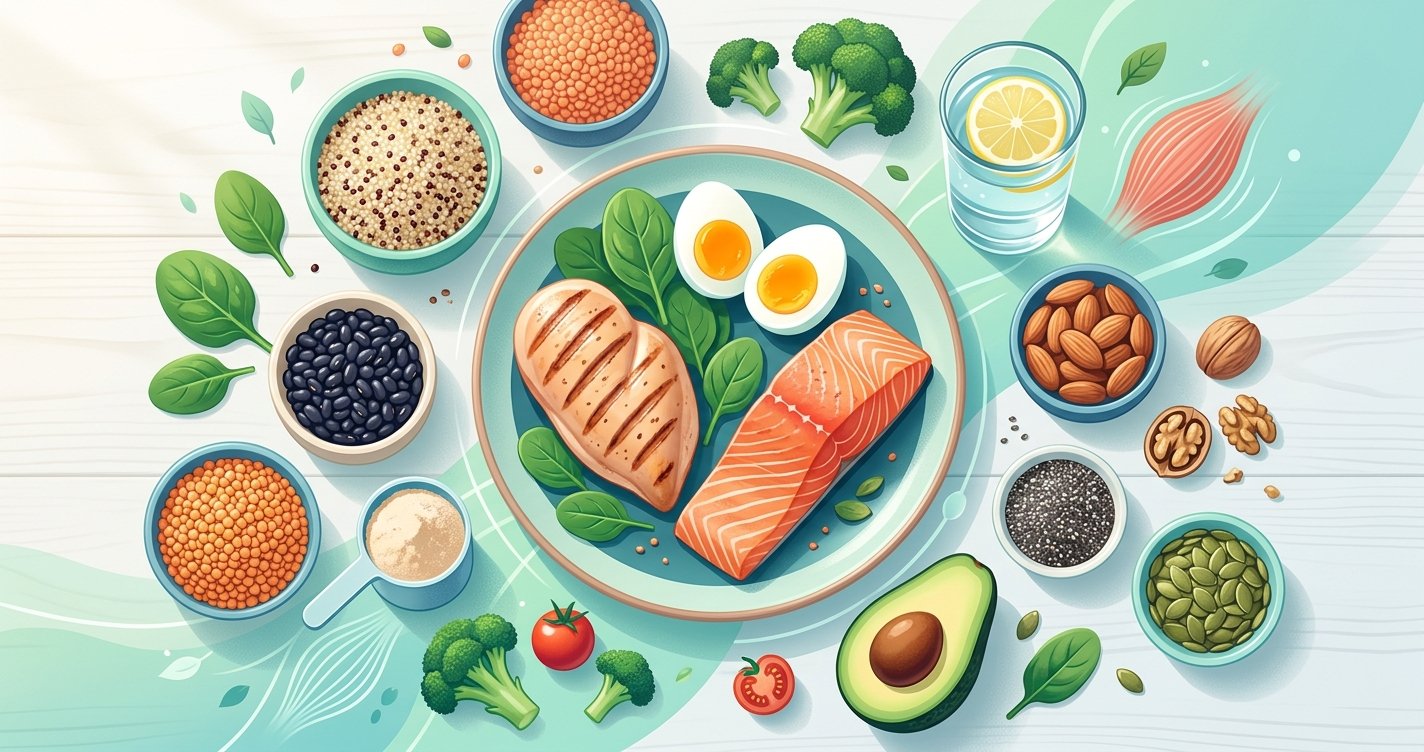
The Power of Protein for Fat Loss: Your Ultimate Guide to a Leaner You
Are you striving to shed those stubborn pounds and build a leaner, healthier physique? You've likely heard countless tips and tricks, from calorie counting to intense workouts. While these are crucial, there's one nutrient that often doesn't get the superstar credit it deserves in the fat loss world: protein. That's right, the humble building block of our bodies is a true game-changer for effective, sustainable fat loss.
Forget restrictive diets and endless cardio. By strategically incorporating more protein into your daily meals, you can unlock a powerful ally that helps you feel fuller, boost your metabolism, and preserve precious muscle mass – all essential ingredients for a successful fat loss transformation. If you're ready to discover how to harness the incredible benefits of protein and make your fat loss journey smoother and more sustainable, you're in the right place. Let's dive into the science, the strategies, and the delicious ways to power up with protein! this excellent wellness product
Why Protein is Your Secret Weapon for Fat Loss
Protein isn't just for bodybuilders; it's a fundamental nutrient for everyone, especially those looking to lose fat. Its unique properties make it incredibly effective.
The Satiety Factor: Feeling Fuller, Longer
One of the biggest challenges in fat loss is managing hunger and cravings. This is where protein shines! Compared to carbohydrates and fats, protein is the most satiating macronutrient. When you eat protein, it triggers the release of specific hormones that signal fullness to your brain. This means a protein-rich meal keeps you satisfied for longer, reducing the urge to snack unnecessarily and making it easier to stick to your calorie goals without feeling deprived.
Boosting Your Metabolism: The Thermic Effect of Food (TEF)
Every time you eat, your body expends energy to digest, absorb, and metabolize the food. This is known as the Thermic Effect of Food (TEF). Protein has a significantly higher TEF than carbs or fats. Roughly 20-30% of the calories from protein are burned just during its digestion and assimilation, compared to 5-10% for carbs and 0-3% for fats. This effectively gives your metabolism a slight, but consistent, boost throughout the day, helping you burn more calories without extra effort.
Protecting Your Muscle: The Key to a Higher Metabolism
When you're in a calorie deficit to lose fat, there's always a risk of losing muscle mass along with fat. This is detrimental because muscle tissue is metabolically active, burning more calories at rest than fat tissue. A higher protein intake, especially when combined with strength training, helps preserve your lean muscle mass. By maintaining or even building muscle, you keep your metabolism revving high, making it easier to sustain fat loss and prevent rebound weight gain.
How Much Protein Do You Really Need?
This is a common question, and the answer isn't a one-size-fits-all. While the Recommended Dietary Allowance (RDA) for protein is 0.8 grams per kilogram of body weight (0.36 grams per pound) for sedentary adults, this is merely a minimum to prevent deficiency, not an optimal amount for fat loss or muscle preservation.
General Guidelines vs. Individual Needs
For individuals actively trying to lose fat, research generally suggests a higher protein intake. A good starting point is often 1.2 to 2.2 grams of protein per kilogram of body weight (0.5 to 1.0 grams per pound of body weight). Factors like your activity level, age, current body composition, and specific fat loss goals can influence your ideal range.
Calculating Your Target: A Simple Approach
Let's make it easy. If you weigh 150 pounds and aim for 0.8 grams per pound, you'd target 120 grams of protein per day. If you're very active or have a significant amount of muscle to preserve, you might lean towards 1 gram per pound, targeting 150 grams. Don't get too caught up in perfection; aim for a range that feels sustainable and helps you achieve satiety.
- Sedentary Adults (RDA): 0.8g/kg (0.36g/lb)
- Active Adults / Fat Loss: 1.2-2.2g/kg (0.5-1.0g/lb)
Fueling Up: Best Protein Sources for Fat Loss
Now that you know why and how much, let's talk about what to eat. The good news is there are plenty of delicious, high-quality protein sources to choose from.
Lean Meats and Poultry
Classic protein powerhouses. Opt for lean cuts to minimize saturated fat intake.
- Chicken breast (skinless)
- Turkey breast (skinless)
- Lean beef (sirloin, round, flank)
- Pork loin
Fish and Seafood
Excellent protein sources, many also rich in beneficial omega-3 fatty acids for overall health.
- Salmon (rich in omega-3s)
- Tuna
- Cod
- Shrimp
- Tilapia
Dairy and Eggs
Versatile and readily available, providing complete protein and often other vital nutrients like calcium and vitamin D.
- Greek yogurt (plain, high protein)
- Cottage cheese
- Skim milk or unsweetened almond milk (fortified)
- Eggs (whole or egg whites)
Plant-Based Powerhouses
Fantastic options for plant-based diets or anyone looking to diversify their protein sources.
- Legumes (lentils, black beans, chickpeas)
- Tofu and Tempeh
- Edamame
- Quinoa (a complete protein)
- Nuts and Seeds (almonds, chia, flax – also good fats)
- Seitan
The Role of Protein Supplements (and when to use them)
Protein supplements, like whey, casein, or plant-based protein powders, are convenient tools to help you hit your daily protein targets, especially if you're busy or have higher needs. They are not magic pills, but they can be incredibly useful for:
- Quick post-workout recovery
- Adding protein to smoothies or oatmeal
- A convenient snack when whole foods aren't readily available
Always prioritize whole food sources first, but don't hesitate to use supplements to bridge the gap.
Practical Strategies to Boost Your Protein Intake
Knowing what to eat is one thing; consistently incorporating it into your diet is another. Here are some actionable tips:
Protein-Packed Breakfasts
Starting your day with protein can set you up for success, helping to control appetite throughout the morning.
- Scrambled eggs with spinach and a side of cottage cheese
- Greek yogurt with berries and a sprinkle of nuts/seeds
- Protein smoothie with fruit and spinach
- Oatmeal mixed with protein powder
Smart Snacking Choices
Instead of reaching for sugary or carb-heavy snacks, choose protein-rich options.
- Hard-boiled eggs
- A handful of almonds or walnuts
- Cottage cheese with a few slices of apple
- Beef jerky (low sodium)
- Greek yogurt
Making Lunch and Dinner Count
Build your main meals around a lean protein source.
- Add grilled chicken or fish to salads
- Incorporate lentils or chickpeas into soups and stews
- Choose lean ground turkey or beef for tacos and stir-fries
- Ensure your plate has a generous portion of protein (think palm-sized or more)
Don't Forget Pre/Post-Workout
If you're exercising, timing your protein intake can be beneficial for muscle repair and growth.
- A small protein shake before or after your workout
- A serving of Greek yogurt
- Lean meat with a carb source within an hour or two of training
Common Protein Myths Debunked
Let's clear up some common misconceptions that might be holding you back.
"Too much protein is bad for your kidneys."
For healthy individuals, high protein intake doesn't harm kidneys. Consult a doctor or registered dietitian if you have pre-existing kidney conditions.
"Protein will make you bulky."
Protein alone won't make you bulky. Significant muscle mass requires intense strength training, a specific caloric surplus, and often specific hormonal profiles.
"You can only absorb X grams of protein per meal."
Your body efficiently absorbs protein. While there's an optimal amount per meal for muscle synthesis (often cited around 20-40g), total daily intake is more crucial than perfect timing. Your body will utilize all protein consumed.
Beyond the Plate: Protein and Your Lifestyle
Incorporating more protein is a fantastic step, but remember it's part of a larger picture.
Consistency is Key
Like any habit, the benefits of protein for fat loss accumulate over time. Aim for consistent protein intake throughout your day, every day, rather than sporadic bursts.
Listen to Your Body
Pay attention to how different protein sources make you feel. Experiment with various options to find what works best for your digestion and taste buds. The goal is sustainable changes, not temporary fixes.
Ready to Power Up Your Fat Loss?
Protein truly is a powerhouse nutrient for anyone serious about shedding fat, maintaining muscle, and feeling great. By focusing on adequate protein intake, you're not just counting calories; you're leveraging your body's natural satiety signals and metabolic processes to work for you, not against you.
Start by making small, consistent changes today. Add an extra serving of protein to your breakfast, choose a protein-rich snack, or swap out a carb-heavy side for a lean protein source at dinner. You'll be amazed at the difference it makes in your hunger levels, energy, and ultimately, your progress towards a leaner, healthier you. Embrace the power of protein – your body will thank you!