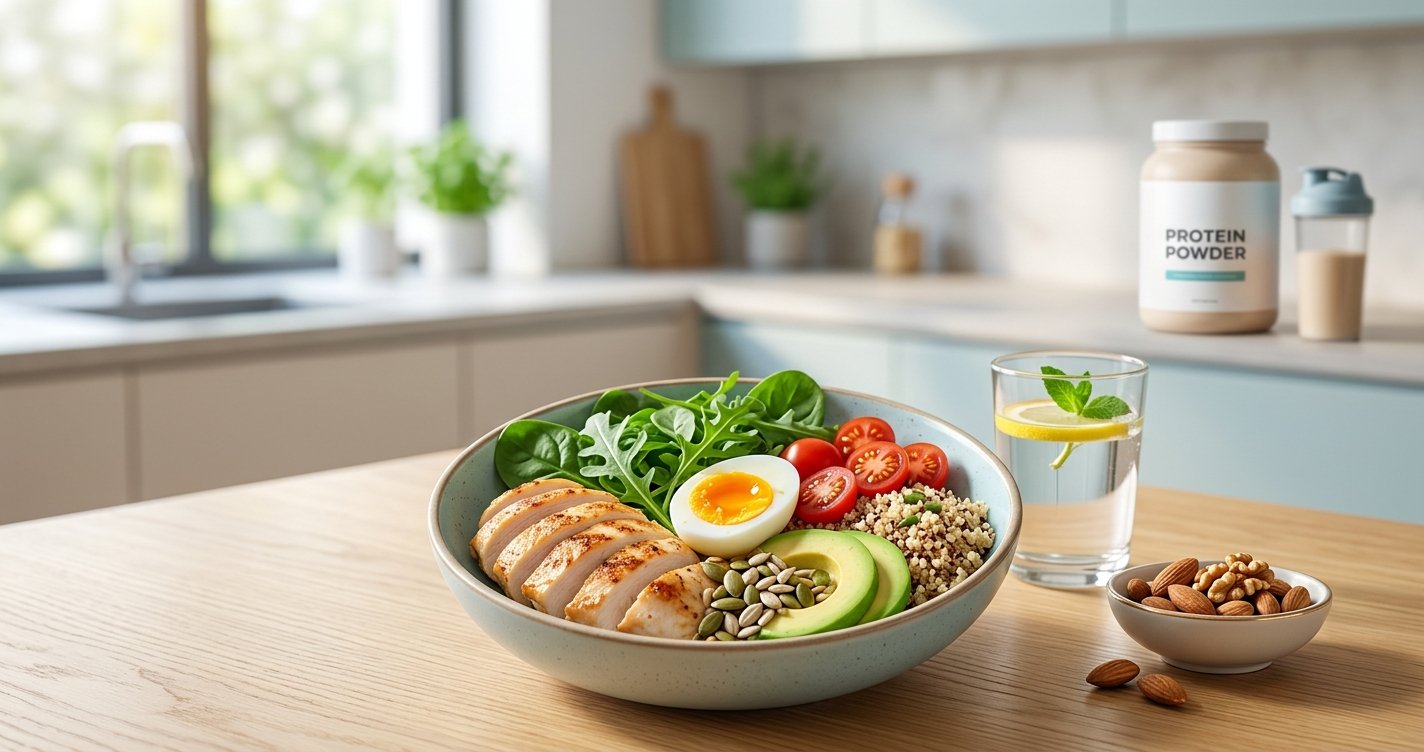
Are you on a fat loss journey that feels like a constant uphill battle? Do you find yourself battling relentless hunger, struggling to maintain your energy, or seeing the scale creep back up despite your best efforts? If so, it might be time to introduce a powerful ally into your corner: protein.
Often associated primarily with bodybuilders and athletes, protein is, in fact, a game-changer for anyone looking to achieve sustainable fat loss. It’s not just about building big muscles; it’s about feeling fuller, boosting your metabolism, and protecting the precious muscle you already have. And no, you don't need to live on chicken breasts and protein shakes (though they can certainly help!). this excellent wellness product
In this friendly, evidence-based guide, we're going to uncover why protein is your secret weapon for lasting fat loss. We'll explore the science behind its superpowers, discuss how much you truly need, and arm you with practical, delicious ways to incorporate more of this essential nutrient into your daily life.
Why Protein is Your Best Friend for Fat Loss
Let's dive into the core reasons why prioritizing protein can make a profound difference in your fat loss journey:
1. The Satiety Superstar: Feeling Fuller, Longer
One of the biggest challenges in fat loss is managing hunger. When you're constantly battling cravings, sticking to a calorie deficit feels impossible. This is where protein shines! Protein is renowned for its ability to promote satiety – that feeling of fullness and satisfaction after a meal. It does this by:
- Impacting Hunger Hormones: Protein helps suppress ghrelin, the 'hunger hormone,' and increases levels of GLP-1 and PYY, hormones that signal fullness to your brain.
- Slower Digestion: Protein takes longer to digest compared to carbohydrates and fats, keeping your stomach full and sending sustained signals of satisfaction to your brain.
The result? You're less likely to overeat, snack unnecessarily, or feel deprived, making it much easier to maintain the necessary calorie deficit for fat loss without feeling constantly hungry.
2. The Metabolic Master: Boosting Your Calorie Burn
Did you know that simply eating protein can help you burn more calories? This incredible effect is due to the 'Thermic Effect of Food' (TEF), also known as diet-induced thermogenesis. TEF is the energy required for your body to digest, absorb, and metabolize the nutrients from your food.
- Protein's High TEF: Protein has the highest TEF of all macronutrients. Approximately 20-30% of the calories you consume from protein are burned off during digestion. Compare this to carbohydrates (5-10%) and fats (0-3%).
This means that if you eat 100 calories of protein, your body might burn 20-30 of those calories just to process it. While it's not a magic bullet, this metabolic boost adds up over time, contributing to a greater overall calorie expenditure and making fat loss a little more efficient.
3. Muscle Preservation: Protecting Your Metabolism
When you're trying to lose weight, the goal is to lose fat, not muscle. Unfortunately, during a calorie deficit, your body can sometimes break down muscle tissue for energy, especially if protein intake is insufficient. This is problematic because muscle is metabolically active – it burns more calories at rest than fat tissue does.
- Maintaining Muscle Mass: A higher protein intake, especially when combined with resistance training, helps to preserve your precious muscle mass. This is crucial because maintaining muscle ensures your resting metabolic rate (RMR) stays higher, preventing your metabolism from slowing down too much during fat loss.
- Preventing Rebound: Protecting your muscle mass also helps prevent the dreaded rebound weight gain that many people experience after a diet. A robust metabolism makes it easier to maintain your new, leaner physique in the long run.
How Much Protein Do You Really Need for Fat Loss?
While there's no one-size-fits-all answer, general recommendations for fat loss often suggest a higher protein intake than the standard dietary guidelines. For active individuals or those aiming for significant fat loss, a good target range is often:
- 1.6 to 2.2 grams of protein per kilogram of body weight (0.7 to 1 gram per pound of body weight).
For example, if you weigh 70 kg (about 154 lbs), you'd aim for roughly 112-154 grams of protein per day. Don't get too caught up in precise calculations; instead, focus on making a conscious effort to include a solid protein source at every meal and snack.
Listen to your body, track your intake for a few days to get a baseline, and adjust as needed. The key is consistency!
Your Plate: Delicious Protein Sources to Embrace
Increasing your protein intake doesn't have to be bland or boring. There's a vast array of delicious options to choose from:
Animal-Based Heroes:
- Lean Meats: Chicken breast, turkey, lean beef (sirloin, round), pork tenderloin.
- Fish and Seafood: Salmon, tuna, cod, shrimp, scallops. (Salmon and tuna also offer beneficial omega-3s!).
- Eggs: Whole eggs are incredibly versatile and packed with protein (about 6g per large egg).
- Dairy: Greek yogurt (especially plain, high-protein varieties), cottage cheese, milk, kefir.
Plant-Powered Champions:
- Legumes: Lentils, black beans, chickpeas, kidney beans (great in soups, salads, and curries).
- Soy Products: Tofu, tempeh, edamame (versatile for stir-fries, scrambles, or snacks).
- Grains: Quinoa (a complete protein), oats (contain a surprising amount of protein).
- Nuts and Seeds: Almonds, peanuts, chia seeds, flax seeds, hemp seeds (use in moderation due to higher calorie density).
- Protein Powders: Whey, casein, soy, pea, or rice protein powders can be a convenient way to boost intake, especially post-workout or for quick shakes.
Practical Tips for Upping Your Protein Intake
Making protein a priority is easier than you think with a few simple strategies:
- Start Your Day Strong: Ditch the sugary cereal. Opt for eggs, Greek yogurt with berries, cottage cheese, or a protein smoothie to kickstart your metabolism and keep hunger at bay.
- Protein at Every Meal: Aim to include a significant protein source in every main meal. Think chicken with your salad, fish with your veggies, or lentils in your soup.
- Smart Snacking: Instead of reaching for chips, grab a handful of almonds, a hard-boiled egg, a small container of Greek yogurt, or some jerky.
- Prioritize Protein on Your Plate: When building your meal, think about your protein source first, then add your vegetables, and finally your healthy carbohydrates and fats.
- Meal Prep Power: Cook larger batches of lean protein (chicken, ground turkey, lentils) at the beginning of the week to easily add to meals later.
- Hydrate: Sometimes thirst can be mistaken for hunger. Drink plenty of water throughout the day.
Beyond Protein: The Holistic Picture
While protein is a phenomenal tool, remember that it's part of a larger ecosystem for sustainable fat loss. For the best results, ensure you're also:
- Maintaining a Calorie Deficit: Protein helps you achieve this comfortably, but it's still fundamental.
- Engaging in Strength Training: This is crucial for building and preserving muscle mass, which works synergistically with protein intake.
- Getting Adequate Sleep: Poor sleep can disrupt hunger hormones and make fat loss much harder.
- Managing Stress: Chronic stress can lead to increased cortisol, which can hinder fat loss.
- Eating Whole Foods: Prioritize a balanced diet rich in vegetables, fruits, healthy fats, and complex carbohydrates for overall health and nutrient intake.
Embrace the Power of Protein!
You now know that protein isn't just for bodybuilders; it's a powerful, evidence-based ally for anyone on a fat loss journey. By incorporating more protein into your diet, you can enjoy greater satiety, a boosted metabolism, and the preservation of precious muscle mass – all factors that make fat loss more sustainable and enjoyable.
So, take this knowledge and empower yourself! Start by making small, consistent changes to prioritize protein in your meals and snacks. Your body (and your fat loss goals) will thank you for it. This isn't about restriction; it's about smart, strategic nutrition for a healthier, leaner you!