Unlock Your Fat Loss Potential with Protein: Beyond the Scale
Are you tired of restrictive diets that leave you feeling hungry, deprived, and ultimately, frustrated? When it comes to sustainable fat loss, many people focus solely on cutting calories, often overlooking a critical macronutrient that can make all the difference: protein. Think of protein not just as fuel for your muscles, but as your secret weapon in the fight against stubborn fat, a powerful ally that helps you feel fuller, burn more calories, and preserve the muscle that keeps your metabolism humming. This isn't just about quick fixes; it's about building a healthier, stronger you from the inside out, backed by solid evidence.
In this guide, we'll dive deep into why protein is indispensable for achieving and maintaining your fat loss goals. We'll explore its multifaceted benefits, from curbing cravings to supercharging your metabolism, and give you practical, evidence-based strategies to effortlessly integrate more protein into your daily life. Get ready to transform your approach to nutrition and discover the incredible power of protein! this excellent wellness product
Protein's Role in Satiety: Taming Those Hunger Pangs
One of the biggest challenges in any fat loss journey is battling hunger. When you're in a calorie deficit, your body naturally signals for more food, making it incredibly difficult to stick to your plan. This is where protein truly shines! Protein is renowned for its superior ability to promote satiety – that wonderful feeling of fullness and satisfaction after a meal. Studies consistently show that out of all the macronutrients (protein, carbs, and fats), protein is the most satiating.
How does it work? Protein influences several hormones that regulate appetite. For instance, it increases the production of peptide YY (PYY) and cholecystokinin (CCK), both of which signal to your brain that you're full. Conversely, it helps to reduce levels of ghrelin, often called the "hunger hormone." By keeping you feeling fuller for longer, protein naturally reduces your overall calorie intake throughout the day, without you having to white-knuckle your way through cravings. This means less mindless snacking and more control over your portions, making your calorie deficit much easier to maintain.
The Thermic Effect of Food (TEF): Burning More Calories Just by Eating!
Wouldn't it be great if you could burn more calories just by eating? Well, you can, and protein plays a starring role! The Thermic Effect of Food (TEF), also known as diet-induced thermogenesis, is the energy your body expends to digest, absorb, and metabolize the nutrients from your food. Every time you eat, your body uses calories to process that food. However, not all macronutrients require the same amount of energy to process.
Protein has a significantly higher TEF than carbohydrates or fats. While fats require only 0-3% of their caloric value to be processed and carbohydrates around 5-10%, protein demands a hefty 20-30%! This means that for every 100 calories of protein you consume, your body uses 20-30 of those calories just to process it. Over the course of a day, especially if you're eating a high-protein diet, this can add up to a substantial number of extra calories burned, giving your metabolism a noticeable boost. It's like a built-in calorie burner, working for you around the clock.
Preserving Precious Muscle: The Key to a Revved-Up Metabolism
When you're trying to lose weight, you want to lose fat, not muscle. Unfortunately, during a calorie deficit, your body can sometimes break down muscle tissue for energy, especially if you're not getting enough protein or engaging in resistance training. Losing muscle is detrimental to fat loss because muscle is metabolically active – it burns more calories at rest than fat tissue does. The more muscle you have, the higher your basal metabolic rate (BMR), meaning you burn more calories even when you're doing nothing.
This is where protein becomes your muscle's best friend. Adequate protein intake provides the essential amino acids your body needs to repair and build muscle tissue. By consuming enough protein, especially in conjunction with strength training, you signal to your body to preserve your existing muscle mass and even build new muscle, even while in a calorie deficit. This ensures that the weight you're losing is primarily fat, not the precious muscle that keeps your metabolism revved up and your body looking toned and strong. Focus on improving your body composition – the ratio of fat to muscle – rather than just the number on the scale.
How Much Protein Do You Really Need for Fat Loss?
So, if protein is so vital, how much should you be aiming for? While general dietary guidelines often suggest a lower protein intake, research for fat loss and muscle preservation points towards higher amounts. For individuals actively trying to lose fat, a common recommendation is to consume between 1.6 to 2.2 grams of protein per kilogram of body weight (or approximately 0.7 to 1 gram per pound of body weight) per day. For example, a person weighing 150 pounds (approx. 68 kg) would aim for roughly 105-150 grams of protein daily.
- Consider your activity level: If you're very active or engage in regular strength training, you might benefit from the higher end of this range.
- Spread it out: Instead of consuming all your protein in one meal, aim to distribute your intake throughout the day (e.g., 20-40 grams per meal) to maximize muscle protein synthesis and satiety.
- Individualize: These are general guidelines. Listen to your body and adjust based on how you feel regarding hunger and recovery.
Don't fall for the myth that too much protein is harmful for healthy kidneys. For most healthy individuals, a high-protein diet within these ranges is perfectly safe and highly effective for fat loss and overall health.
Practical Strategies: Integrating More Protein Into Your Diet
Knowing the benefits is one thing; putting it into practice is another! Here are some actionable tips to effortlessly boost your protein intake:
- Start Your Day Strong: Make breakfast protein-rich. Think Greek yogurt with berries, scrambled eggs with veggies, a protein smoothie, or cottage cheese.
- Protein at Every Meal: Aim to include a lean protein source in every main meal. This could be chicken breast, fish, lean beef, tofu, lentils, or beans.
- Smart Snacking: Ditch the sugary snacks and opt for protein-packed alternatives like a handful of almonds, a hard-boiled egg, a small serving of cottage cheese, or a protein bar.
- Prioritize Whole Foods: Focus on whole, unprocessed protein sources. These often come with additional nutrients and fiber, further enhancing satiety.
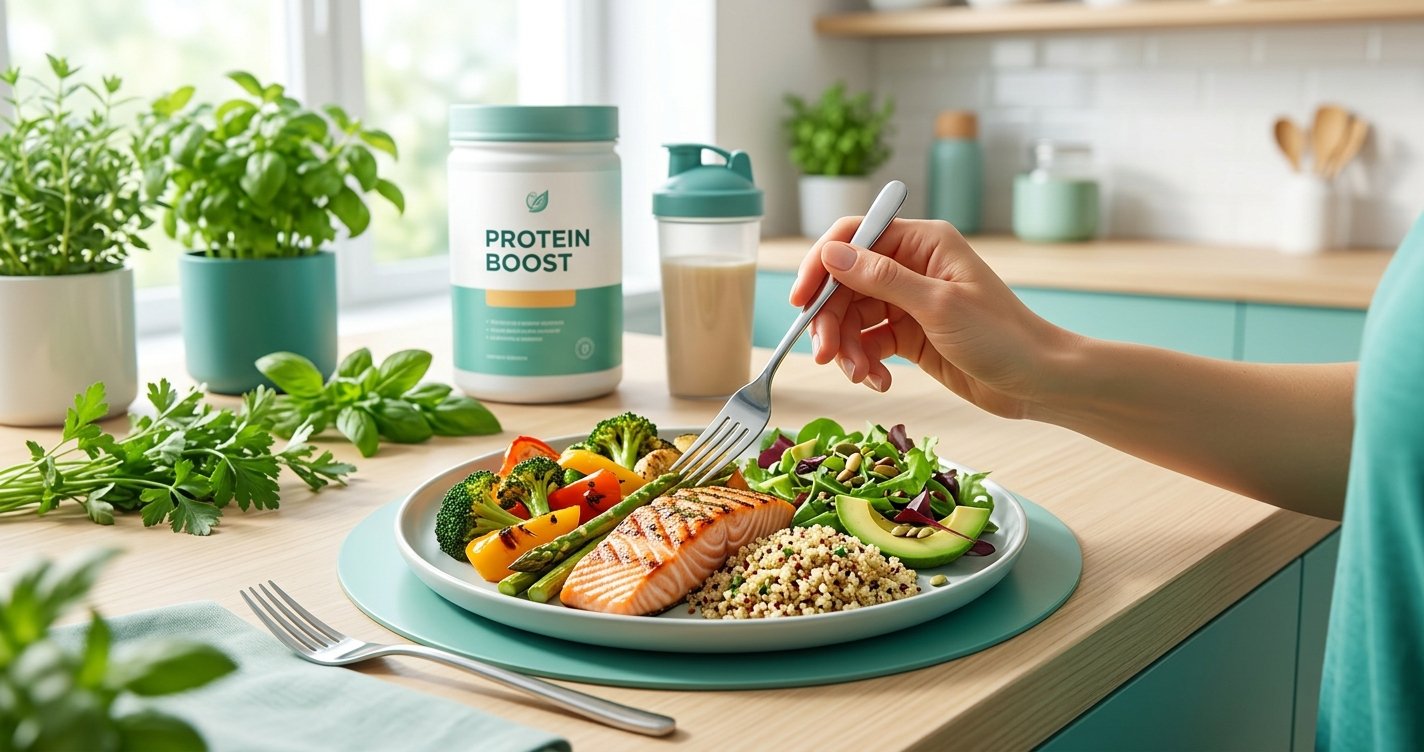
- Don't Fear Supplements (Wisely): Protein powder (whey, casein, plant-based) can be a convenient way to meet your protein targets, especially post-workout or as a quick meal replacement.
- Plan Ahead: Meal prepping can be a game-changer. Cook a batch of chicken or lentils at the beginning of the week to easily add to your meals.
Excellent Protein Sources:
- Animal-Based: Lean meats (chicken, turkey, lean beef), fish (salmon, tuna, cod), eggs, dairy (Greek yogurt, cottage cheese, milk).
- Plant-Based: Lentils, beans (black beans, chickpeas), tofu, tempeh, edamame, quinoa, nuts, seeds, nutritional yeast.
Beyond the Plate: The Synergistic Effect with Exercise and Sleep
While protein is a superstar on its own, its fat loss benefits are amplified when combined with other healthy lifestyle factors. For instance, pairing a high-protein diet with regular strength training is the ultimate duo for body composition improvements. Strength training provides the stimulus for muscle growth and preservation, and protein provides the building blocks. Together, they create a powerful metabolic engine.
Don't underestimate the role of sleep either! Quality sleep helps regulate hunger hormones (ghrelin and leptin), reduces stress, and aids in muscle recovery. Adequate protein intake supports the repair processes that occur during sleep, ensuring your body is ready to tackle the next day's challenges and continue its fat-burning mission. Think of it as a holistic approach where each piece supports the others for optimal results.
Your Journey to Sustainable Success
Steering away from crash diets and embracing a nutrient-dense, protein-rich eating style is not just about losing weight; it's about building a sustainable, healthier lifestyle. By prioritizing protein, you're not just cutting calories; you're actively working with your body to manage hunger, boost your metabolism, and preserve invaluable muscle mass. This approach fosters a positive relationship with food, where you feel satisfied and energized, rather than constantly battling cravings.
Remember, fat loss is a journey, not a destination. It requires patience, consistency, and smart choices. By making protein your trusted ally, you're setting yourself up for not just achieving your fat loss goals, but maintaining them for the long haul. Embrace the power of protein, nourish your body, and enjoy the incredible transformation that awaits you!