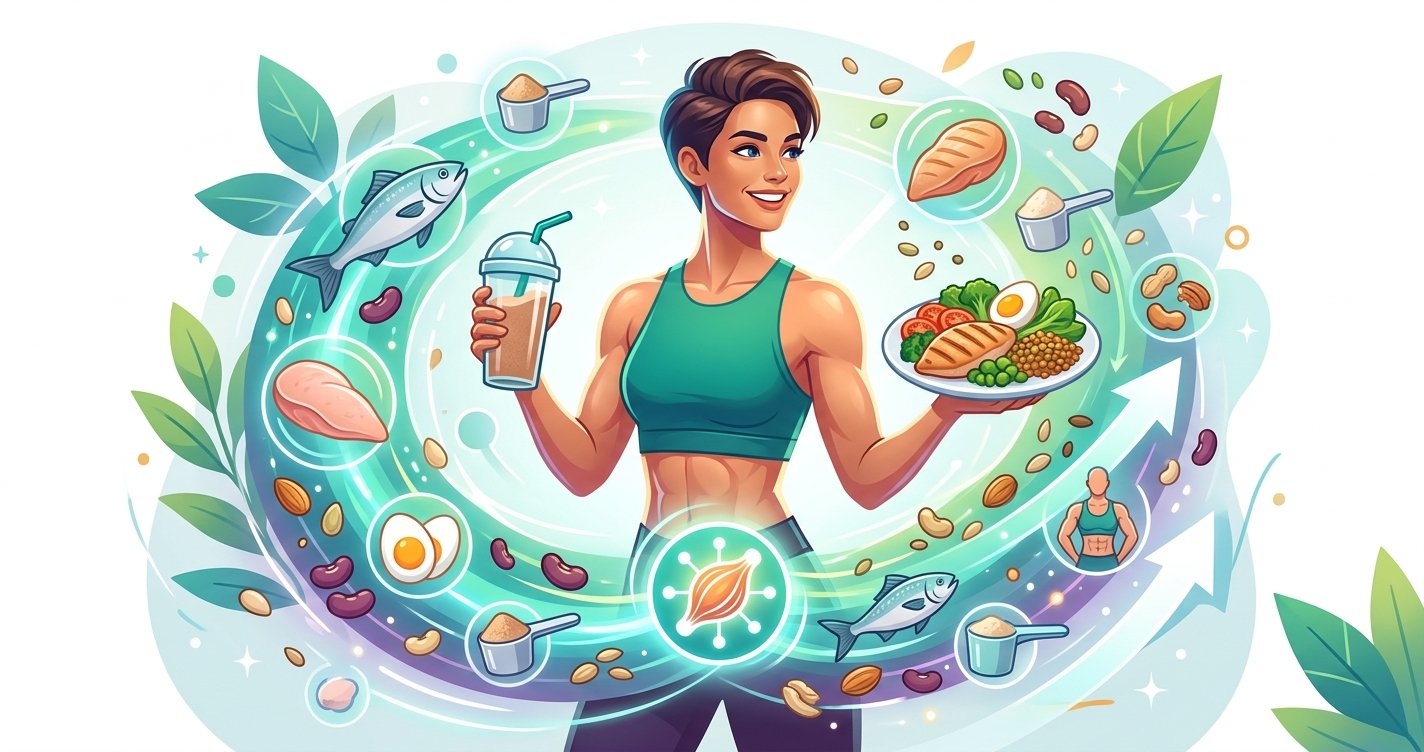
Are you on a journey to shed those stubborn extra pounds, feeling like you've tried every diet under the sun without lasting success? You're not alone. The world of fat loss can often feel overwhelming, filled with conflicting advice and quick fixes that rarely deliver on their promises. But what if there was one key nutrient that could make a significant difference, not just in helping you lose fat, but in sustaining that loss and improving your overall health? Enter protein.
Often hailed by nutritionists and fitness experts, protein is far more than just a muscle builder. It's a powerhouse nutrient that plays a crucial, often underestimated, role in effective and sustainable fat loss. Forget extreme restrictions or endless cardio; incorporating more protein into your diet is a simple, science-backed strategy that can revolutionize your results. In this guide, we'll dive deep into why protein is your ultimate ally, how much you truly need, and the best ways to integrate it into your daily life. Get ready to unlock the secret weapon for a leaner, stronger, and healthier you! this excellent wellness product
Why Protein is Your Fat Loss MVP (Most Valuable Player)
Protein isn't just another macronutrient; it's a game-changer when it comes to shedding fat and keeping it off. Its unique properties work synergistically to support your fat loss goals in several powerful ways.
The Satiety Superstar: Feeling Fuller, Longer
One of the biggest hurdles in any fat loss journey is hunger. Cravings and constant feelings of emptiness can derail even the most determined efforts. This is where protein shines! Protein is known for its incredible ability to promote satiety – that wonderful feeling of fullness and satisfaction after a meal. Studies consistently show that high-protein meals keep you feeling fuller for longer compared to meals rich in carbohydrates or fats alone. This means fewer cravings, less mindless snacking, and ultimately, a reduced overall calorie intake without feeling deprived. Imagine eating less without constantly battling hunger pangs – that's the protein advantage!
Muscle Maintenance & Growth: Protecting Your Metabolism
When you're trying to lose weight, you want to lose fat, not precious muscle. Unfortunately, traditional calorie-restricted diets can often lead to muscle loss alongside fat loss. This is problematic because muscle is metabolically active, meaning it burns more calories at rest than fat does. Losing muscle can slow down your metabolism, making it harder to lose weight and easier to regain it. Protein is essential for preserving and even building lean muscle mass, especially when combined with resistance training. By protecting your muscle, you safeguard your metabolism, turning your body into a more efficient fat-burning machine even when you're resting.
The Thermic Effect: Burning Calories Just by Eating
Did you know that your body expends energy just to digest and process the food you eat? This is known as the Thermic Effect of Food (TEF). And guess which macronutrient has the highest TEF? You guessed it – protein! Your body uses significantly more calories to digest and metabolize protein (20-30% of its caloric content) compared to carbohydrates (5-10%) or fats (0-3%). This means that by simply increasing your protein intake, you're giving your metabolism a small, but significant, boost throughout the day. It's like a tiny, continuous workout just from eating!
How Much Protein Do You Really Need for Fat Loss?
While the general recommended dietary allowance (RDA) for protein is 0.8 grams per kilogram of body weight (or 0.36 grams per pound), this is often considered the minimum to prevent deficiency, not necessarily optimal for fat loss or muscle building. For those actively trying to lose fat, research suggests a higher intake can be beneficial.
- General Guideline: Aim for approximately 1.6 to 2.2 grams of protein per kilogram of body weight (or 0.7 to 1 gram per pound of ideal body weight).
- Example: If you weigh 70 kg (about 154 lbs), you'd aim for roughly 112 to 154 grams of protein per day.
- Spread It Out: Instead of trying to cram all your protein into one meal, aim to distribute it fairly evenly across your meals and snacks throughout the day (e.g., 25-40 grams per meal). This helps maximize muscle protein synthesis and keeps you feeling fuller for longer.
Remember, these are guidelines. Your exact needs might vary based on your activity level, age, and individual goals. Listening to your body and adjusting as needed is always key!
Top Protein Sources to Fuel Your Journey
Variety is the spice of life, and it's also key to a balanced, high-protein diet. Thankfully, there are countless delicious options to choose from.
Animal-Based Powerhouses
- Lean Meats: Chicken breast, turkey, lean beef (sirloin, round), pork loin. These are excellent sources of complete protein, meaning they contain all nine essential amino acids.
- Fish and Seafood: Salmon, tuna, cod, shrimp, sardines. Rich in protein and often packed with beneficial omega-3 fatty acids.
- Eggs: The incredible edible egg! A complete protein source, versatile, and affordable. Don't skip the yolk – it's full of nutrients.
- Dairy: Greek yogurt, cottage cheese, milk, whey protein. These are not only high in protein but also contain calcium and other important nutrients. Greek yogurt and cottage cheese are particularly great for snacks or breakfast due to their high protein content.
Plant-Based Champions
- Legumes: Lentils, chickpeas, black beans, kidney beans. Versatile and fiber-rich, making them super filling.
- Tofu and Tempeh: Soy-based products that are excellent sources of complete plant protein. Great for absorbing flavors in various dishes.
- Edamame: Delicious, snackable, and packed with protein.
- Quinoa: A grain that stands out as a complete protein, making it a fantastic base for meals.
- Nuts and Seeds: Almonds, walnuts, chia seeds, flax seeds, pumpkin seeds. While also providing healthy fats, they contribute significantly to your daily protein intake.
- Seitan: Made from wheat gluten, it's a high-protein, meat-like option for vegans and vegetarians.
Protein Supplements: When and How to Use Them
While whole foods should always be your primary source of nutrition, protein supplements can be a convenient and effective tool to help you reach your daily protein targets, especially if you have a busy lifestyle or specific dietary needs.
- Whey Protein: Fast-digesting, ideal for post-workout recovery.
- Casein Protein: Slow-digesting, great before bed to support muscle repair overnight.
- Plant-Based Proteins: Pea, rice, hemp, or soy protein powders are excellent alternatives for those avoiding animal products.
Always choose high-quality supplements and remember they are meant to supplement, not replace, nutrient-dense whole foods.
Practical Strategies to Boost Your Protein Intake
Now that you know why protein is so important and where to find it, let's talk about practical ways to seamlessly integrate more of it into your daily diet without feeling like a chore.
- Prioritize Protein at Breakfast: Start your day strong! Instead of sugary cereals or toast, opt for Greek yogurt with berries, scrambled eggs with veggies, cottage cheese, or a protein smoothie. This sets you up for better satiety throughout the morning.
- Make Protein the Star of Every Meal: When planning your lunch and dinner, think protein first. Build your plate around a lean protein source, then add plenty of vegetables and a smart portion of complex carbohydrates.
- Smart Snacking: Ditch the empty calories and choose protein-rich snacks. Hard-boiled eggs, a handful of almonds, string cheese, a serving of cottage cheese, or a small protein shake can keep hunger at bay between meals.
- Prep Ahead: Cook larger batches of protein sources like grilled chicken, hard-boiled eggs, or lentils at the beginning of the week. This makes it easy to add protein to any meal or grab a quick snack when time is tight.
- Don't Forget the Sides: Look for opportunities to sneak in extra protein. Add beans to your salads, lentils to soups, nutritional yeast to sauces, or a scoop of protein powder to your oatmeal or baked goods.
- Hydrate Smartly: Sometimes thirst can be mistaken for hunger. Keep water handy, but also consider unsweetened almond milk or soy milk for a little extra protein boost in your drinks.
Beyond the Scale: The Wider Benefits of a High-Protein Diet
While fat loss is a fantastic motivator, the benefits of prioritizing protein extend far beyond just shedding pounds. A diet rich in protein contributes to your overall well-being in numerous ways:
- Improved Bone Health: Protein, along with calcium and vitamin D, plays a vital role in maintaining strong bones and reducing the risk of osteoporosis.
- Enhanced Recovery: For those who are active, protein is crucial for repairing and rebuilding muscle tissue after exercise, leading to faster recovery and reduced muscle soreness.
- Better Immune Function: Antibodies, which fight off infections, are made from protein. Adequate protein intake supports a robust immune system.
- Healthy Hair, Skin, and Nails: Keratin, collagen, and elastin – the building blocks of healthy hair, skin, and nails – are all proteins. A sufficient protein intake helps keep them strong and vibrant.
- Stabilized Blood Sugar: Protein helps slow down the absorption of carbohydrates, leading to more stable blood sugar levels and preventing energy crashes.
Ready to Unleash Your Secret Weapon?
Congratulations! You now have a comprehensive understanding of why protein is not just beneficial, but essential for sustainable fat loss and a healthier lifestyle. It’s not about magic pills or extreme diets; it’s about empowering your body with the right fuel to work efficiently, keep you satisfied, and protect your precious muscle mass.
Remember, consistency is key. Start by making small, manageable changes. Aim to include a good source of protein in every meal, experiment with new recipes, and listen to how your body responds. You'll likely find that you feel more energetic, fuller, and more in control of your eating habits. Embrace the power of protein, and watch as you transform your body and your health, one delicious, protein-packed meal at a time. Your journey to sustainable fat loss and a stronger, healthier you starts now!