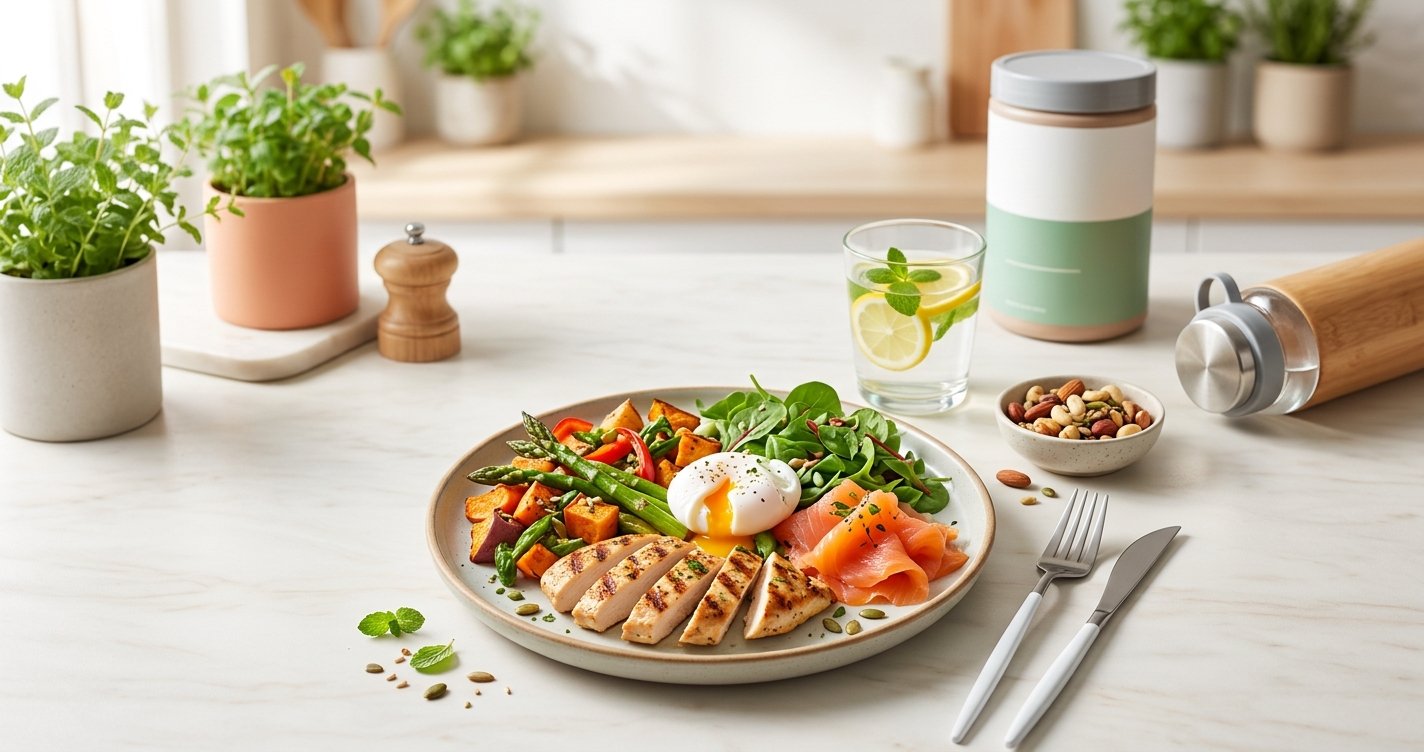
The Protein Advantage: Fuel Your Fat Loss Journey for Sustainable Results
Embarking on a fat loss journey can often feel like navigating a maze of conflicting advice and fleeting trends. You might have tried countless diets, restricted your favorite foods, and still found yourself frustrated with slow progress or the dreaded rebound. What if we told you there’s a powerful, evidence-backed strategy that not only helps you shed unwanted fat but also makes the process feel more satisfying and sustainable?
Enter protein – often championed by bodybuilders, but truly a secret weapon for everyone aiming for lasting fat loss. It’s more than just muscle fuel; protein is a nutritional powerhouse that can transform your metabolism, curb your hunger, and help you maintain a leaner physique without constant struggle. In this comprehensive guide, we'll dive deep into the science behind protein's fat loss magic, give you clear guidelines on how much you need, and equip you with practical, delicious ways to incorporate more of it into your daily life. Get ready to discover how to eat your way to sustainable fat loss, one protein-packed meal at a time! this excellent wellness product
Why Protein is Your Fat Loss MVP (Most Valuable Player)
When it comes to losing fat, many people instinctively cut calories. While a calorie deficit is fundamental, how you achieve that deficit matters immensely. Protein plays a unique and crucial role that other macronutrients (carbs and fats) simply can't match. Let’s break down the science:
The Thermic Effect of Food (TEF): Burn More Calories Just by Eating
Did you know your body expends energy just to digest, absorb, and metabolize the food you eat? This is known as the Thermic Effect of Food (TEF), and protein has the highest TEF of all macronutrients. Approximately 20-30% of the calories from protein are burned off during digestion, compared to 5-10% for carbohydrates and 0-3% for fats. This means that for every 100 calories of protein you consume, your body uses 20-30 of those calories just to process it. Imagine getting a small metabolic boost with every protein-rich meal – it’s like a tiny, built-in calorie burner!
Satiety Power: Feel Fuller, Longer, Naturally
One of the biggest challenges in fat loss is battling hunger and cravings. Protein is a champion at promoting satiety, the feeling of fullness and satisfaction. It does this through several mechanisms:
- Hormonal Impact: Protein influences key hunger-regulating hormones like ghrelin (the 'hunger hormone,' which protein suppresses) and GLP-1 and PYY (satiety hormones, which protein boosts).
- Slower Digestion: Protein takes longer to digest than carbohydrates, keeping you feeling fuller for extended periods and reducing the likelihood of mindless snacking between meals.
- Reduced Cravings: Studies consistently show that higher protein intake can significantly reduce cravings and the desire to snack late at night, making it easier to stick to your calorie goals.
By keeping you satisfied, protein naturally helps you consume fewer calories without feeling deprived or constantly battling your willpower.
Muscle Preservation: Protect Your Metabolism
When you're in a calorie deficit, your body doesn't just burn fat; it can also break down muscle tissue for energy. Losing muscle is detrimental to fat loss because muscle is metabolically active, meaning it burns more calories at rest than fat tissue does. A higher muscle mass translates to a faster resting metabolism, making it easier to maintain your weight loss in the long run.
Adequate protein intake is crucial for preserving lean muscle mass during fat loss. It provides the essential amino acids your body needs to repair and build muscle, signaling to your body that it should hold onto muscle while primarily burning fat for energy. This is especially important if you're incorporating strength training into your routine, as protein works synergistically with exercise to maximize muscle retention and growth.
How Much Protein Do You Really Need for Fat Loss?
The common recommendation for protein intake often hovers around 0.8 grams per kilogram of body weight (g/kg). However, for active individuals or those specifically aiming for fat loss, this amount is generally too low. Research suggests that a higher protein intake is significantly more effective for fat loss and muscle preservation.
For optimal fat loss, aim for approximately 1.6 to 2.2 grams of protein per kilogram of body weight (or roughly 0.7 to 1 gram per pound of body weight) per day. For example, if you weigh 70 kg (about 154 lbs), you would aim for 112-154 grams of protein daily. If you weigh 180 lbs, you'd target 126-180 grams.
It's important to distribute this protein intake fairly evenly throughout your day, rather than trying to cram it all into one meal. Aim for 20-40 grams of protein at each main meal and consider protein-rich snacks.
Practical Strategies to Boost Your Protein Intake
Now that you understand the 'why,' let's get into the 'how.' Increasing your protein intake doesn't have to be complicated or boring. Here are some simple, delicious ways to make protein a cornerstone of your diet:
Prioritize Protein at Every Meal
Don't save all your protein for dinner. Start your day strong! A protein-rich breakfast sets the tone for the entire day, promoting satiety and stable blood sugar. Think scrambled eggs, Greek yogurt with berries, cottage cheese, or a protein smoothie instead of sugary cereals or pastries.
- Breakfast Ideas: Eggs (omelets, scrambles, hard-boiled), Greek yogurt, cottage cheese, protein pancakes/waffles, breakfast sausage (lean).
- Lunch/Dinner Ideas: Lean meats (chicken breast, turkey, lean beef, fish), tofu, tempeh, lentils, beans, quinoa.
Smart Snacking: Protein-Rich Choices
When hunger strikes between meals, reach for protein instead of empty calories from chips or cookies. Protein-rich snacks keep you full and satisfied until your next meal.
- Hard-boiled eggs
- A handful of almonds or other nuts
- Greek yogurt or cottage cheese
- String cheese or cheese sticks
- Edamame
- Jerky (check for low sugar varieties)
- Protein shake
- Apple slices with peanut butter (in moderation)
Lean Protein Sources: A Delicious Variety
Variety is the spice of life, and it's also key to a sustainable diet. Explore different protein sources to keep your meals exciting and ensure you're getting a broad spectrum of nutrients.
- Animal Sources: Chicken breast, turkey, lean beef (sirloin, round), fish (salmon, cod, tuna), eggs, dairy (milk, cheese, yogurt).
- Plant Sources: Tofu, tempeh, edamame, lentils, beans (black beans, chickpeas), quinoa, seitan, spirulina, nuts and seeds.
Focus on whole, unprocessed sources whenever possible. These often come with additional vitamins, minerals, and fiber that contribute to overall health.
Supplementing When Needed (and How)
While whole foods should always be your primary source of protein, supplements can be a convenient and effective way to meet your daily targets, especially on busy days or around workouts. Protein powders (whey, casein, soy, pea, rice, hemp) can be mixed into smoothies, water, or even baked goods. They are not magic bullets, but rather tools to support your diet when whole food options are less practical.
Common Protein Pitfalls to Avoid
Even with good intentions, it's easy to fall into common traps when increasing protein intake. Be mindful of these to ensure your strategy remains effective and healthy:
- Over-relying on protein bars/shakes: While convenient, many protein bars are high in sugar, unhealthy fats, and calories. Prioritize whole food sources first, and use supplements judiciously.
- Ignoring calorie content: Protein has calories! While it aids satiety and metabolism, you still need to be in a calorie deficit for fat loss. Don't assume you can eat unlimited amounts of protein and still lose fat.
- Not drinking enough water: A higher protein intake can increase your body's need for water to help kidneys process the byproducts of protein metabolism. Stay well-hydrated.
- Getting stuck in a rut: Eating the same chicken and broccoli every day can lead to boredom and nutrient deficiencies. Experiment with different protein sources and recipes to keep your diet enjoyable and varied.
- Neglecting other macros: While protein is key, carbohydrates and healthy fats are also essential for energy, hormone production, and overall health. Aim for a balanced diet that includes all macronutrients in appropriate amounts.
Beyond Protein: A Holistic Approach
While protein is a powerful ally, remember that sustainable fat loss is a multi-faceted journey. It thrives on a holistic approach that includes:
- A Consistent Calorie Deficit: Protein makes achieving and maintaining this deficit much easier, but it's still the foundational principle.
- Strength Training: Lifting weights or doing bodyweight exercises helps build and preserve muscle, further boosting your metabolism and shaping your physique.
- Adequate Sleep: Poor sleep disrupts hunger hormones and can lead to increased cravings and fat storage. Aim for 7-9 hours per night.
- Stress Management: Chronic stress can elevate cortisol levels, which can hinder fat loss and promote belly fat accumulation. Find healthy ways to manage stress.
- Hydration: Drinking enough water supports metabolism, energy levels, and overall bodily functions.
Embrace the Protein Advantage for Lasting Change!
You now have the knowledge and tools to harness the incredible power of protein for your fat loss journey. By prioritizing protein, you're not just cutting calories; you're actively optimizing your body's ability to burn fat, build muscle, and feel satisfied. This isn't about quick fixes or extreme restrictions; it's about making smart, sustainable dietary choices that empower you to reach your goals and maintain them for life.
Start today by making one small change: add a protein source to a meal you usually skimp on. Observe how you feel. Notice the difference in your hunger levels and energy. Be patient, be consistent, and trust the process. With protein as your ally, you’re well on your way to achieving the strong, lean, and vibrant body you deserve. You've got this!