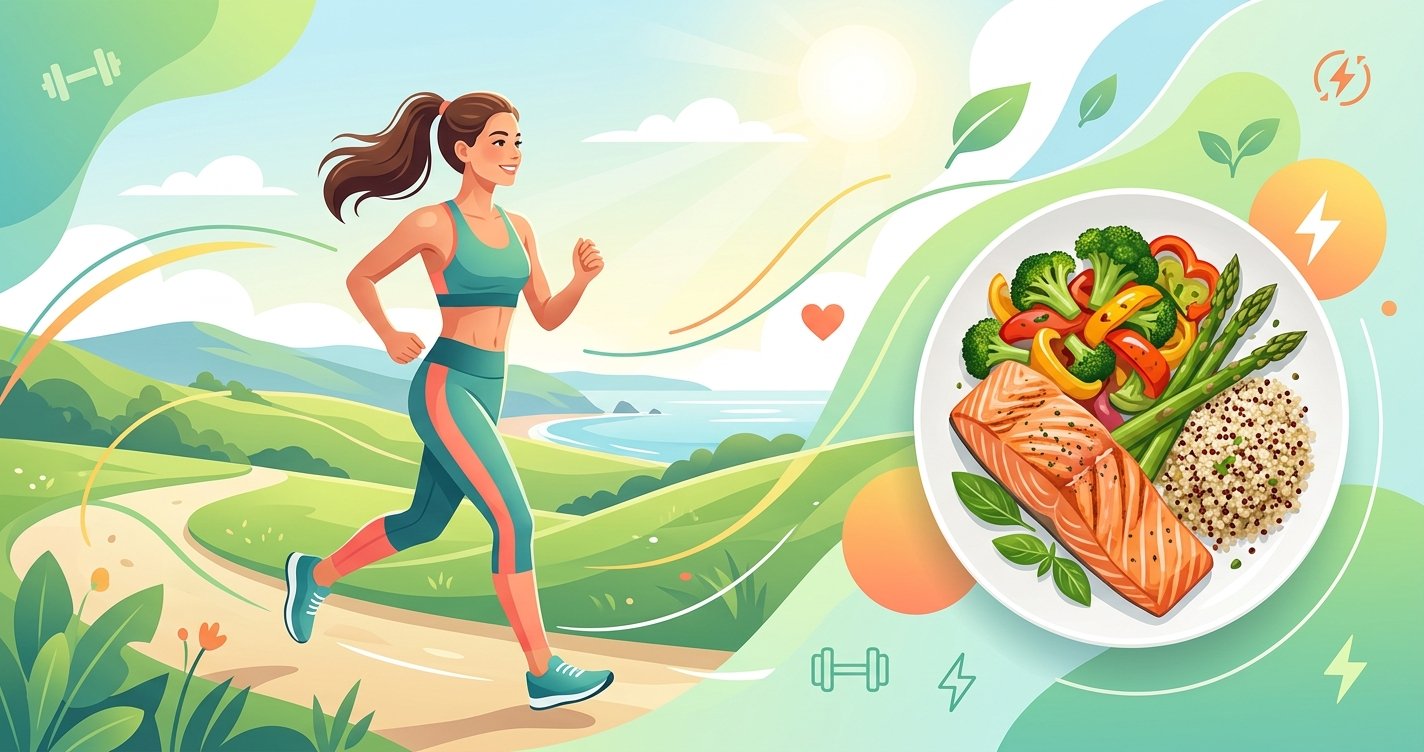
Unlock Sustainable Fat Loss: The Power of Protein
Are you tired of diet fads that promise quick fixes but leave you feeling deprived, sluggish, and ultimately, frustrated? When it comes to sustainable fat loss, the secret isn't always about eating less; sometimes, it's about eating smarter. And at the heart of smart eating for fat loss lies one powerful macronutrient: protein. Forget extreme restrictions; embracing protein can be a game-changer for your body, your energy levels, and your long-term success.
This isn't just about building muscles; it's about optimizing your metabolism, curbing cravings, and feeling satisfied as you work towards your goals. Ready to discover how protein can revolutionize your fat loss journey? Let's dive into the science-backed benefits and practical strategies to make protein your best friend. this excellent wellness product
Why Protein Is Your Fat Loss MVP (Most Valuable Player)
Protein isn't just fuel; it's a strategic ally in your quest for a leaner, healthier you. Here's why it deserves a starring role in your diet:
1. The Satiety Superstar: Feel Fuller, Longer
One of protein's most celebrated benefits is its remarkable ability to keep hunger at bay. Compared to carbohydrates and fats, protein has a superior satiating effect. When you consume protein, it signals your brain to release hormones like PYY and GLP-1, which promote feelings of fullness and satisfaction. This means you're less likely to succumb to mindless snacking or overeating, naturally reducing your overall calorie intake without feeling deprived.
2. Metabolic Boost: The Thermic Effect of Food (TEF)
Digesting food requires energy, and protein demands the most. This is known as the Thermic Effect of Food (TEF). While carbohydrates burn about 5-10% of their calories during digestion and fats burn 0-3%, protein burns a whopping 20-30%. This means for every 100 calories of protein you consume, your body uses 20-30 calories just to process it. Over time, this small but consistent metabolic boost can significantly contribute to your fat loss efforts.
3. Muscle Preservation: Protect Your Metabolism
When you're in a calorie deficit to lose fat, there's always a risk of losing precious muscle mass along with fat. Losing muscle is counterproductive because muscle is metabolically active, meaning it burns more calories at rest than fat does. A higher protein intake helps to signal your body to hold onto muscle tissue, especially when combined with resistance training. This ensures that the weight you lose is primarily fat, helping you maintain a higher resting metabolism and a more toned physique.
4. Craving Control: Stabilize Blood Sugar
Protein helps to slow down the absorption of carbohydrates, leading to a more gradual rise and fall in blood sugar levels. This stability is crucial for preventing energy crashes and the subsequent cravings for sugary, high-calorie foods that often derail fat loss efforts. By keeping your blood sugar steady, protein helps you stay in control of your hunger and food choices.
How Much Protein Do You Really Need for Fat Loss?
While the standard Recommended Dietary Allowance (RDA) for protein is 0.8 grams per kilogram (g/kg) of body weight, this is often considered the minimum to prevent deficiency, not necessarily optimal for fat loss or muscle preservation. For individuals actively pursuing fat loss, especially those engaging in regular exercise, higher intakes are often recommended by scientific literature.
- General Recommendation: Aim for 1.6 to 2.2 grams of protein per kilogram of body weight per day.
- Example: If you weigh 70 kg (about 154 lbs), this would translate to roughly 112 to 154 grams of protein per day.
- Practical Tip: If calculating by body weight is too complex, a simpler approach is to aim for 20-40 grams of protein at each main meal, depending on your calorie needs and gender.
Remember, individual needs can vary based on activity level, age, and existing health conditions. It’s always a good idea to consult with a healthcare professional or registered dietitian for personalized advice.
Smart Protein Sources: Beyond Chicken & Shakes
Variety is the spice of life, and it's also key to a sustainable, enjoyable diet. While chicken breast and protein shakes are excellent choices, there's a whole world of delicious protein sources to explore:
Animal-Based Protein Sources:
- Lean Meats: Chicken breast, turkey, lean beef (sirloin, round), pork loin.
- Fish & Seafood: Salmon (rich in omega-3s!), tuna, cod, shrimp, scallops.
- Eggs: A complete protein powerhouse, incredibly versatile.
- Dairy: Greek yogurt, cottage cheese, milk, kefir (opt for low-fat or fat-free options to manage calories).
Plant-Based Protein Sources:
- Legumes: Lentils, chickpeas, black beans, kidney beans.
- Soy Products: Tofu, tempeh, edamame.
- Grains: Quinoa, oats, brown rice (contain some protein, especially when combined).
- Nuts & Seeds: Almonds, peanuts, chia seeds, flax seeds, pumpkin seeds (also great for healthy fats!).
- Plant-Based Protein Powders: Pea, rice, soy, or hemp protein can be convenient supplements.
Focus on whole, minimally processed foods whenever possible. They offer a wider array of vitamins, minerals, and fiber, which are essential for overall health and fat loss.
Timing and Distribution: Maximizing Protein's Power
It's not just about how much protein you eat, but also when and how you spread it throughout your day. Optimizing protein timing can further enhance its benefits:
- Breakfast is Key: Starting your day with a protein-rich breakfast (e.g., eggs, Greek yogurt, protein smoothie) can significantly impact your satiety for the rest of the day, reducing mid-morning cravings and improving focus.
- Even Distribution: Instead of front-loading or back-loading your protein, aim to spread your protein intake somewhat evenly across your main meals (e.g., 20-40g per meal). This helps maintain muscle protein synthesis throughout the day and keeps you feeling satisfied.
- Pre/Post-Workout: While the 'anabolic window' isn't as strict as once believed, consuming protein before or after your workouts can support muscle repair and growth, especially if you haven't eaten protein for several hours.
- Before Bed: A slow-digesting protein like casein (found in cottage cheese or casein protein powder) before bed can help support muscle recovery and growth overnight.
Practical Strategies to Boost Your Protein Intake
Integrating more protein into your diet doesn't have to be complicated. Here are some simple, actionable tips:
- Plan Ahead: Dedicate some time each week to plan your meals and snacks. Knowing what you'll eat makes it easier to hit your protein targets.
- High-Protein Snacks: Keep protein-rich snacks handy like hard-boiled eggs, Greek yogurt, cottage cheese, a handful of almonds, or a protein bar.
- "Protein First" Mindset: When building a meal, think about your protein source first, then add vegetables, healthy fats, and complex carbohydrates.
- Sneaky Additions: Boost protein in everyday foods. Add a scoop of protein powder to your oatmeal or smoothie, stir lentils into soups, or add shredded chicken to salads.
- Read Labels: Get into the habit of checking nutrition labels. You might be surprised by the protein content (or lack thereof) in some of your go-to foods.
- Hydrate: Sometimes, thirst can be mistaken for hunger. Ensure you're drinking plenty of water throughout the day.
Combining Protein with Other Fat Loss Fundamentals
While protein is a powerful tool, it's most effective when integrated into a holistic approach to fat loss. Remember these foundational elements:
- Calorie Deficit: Ultimately, fat loss requires consuming fewer calories than you burn. Protein makes this deficit easier and more sustainable to achieve by boosting satiety and metabolism.
- Strength Training: Lifting weights is crucial for building and preserving muscle mass, which works synergistically with protein intake to sculpt your body and boost your metabolism.
- Adequate Sleep: Poor sleep can disrupt hormones that regulate hunger (ghrelin and leptin), making fat loss incredibly challenging. Aim for 7-9 hours of quality sleep per night.
- Stress Management: Chronic stress can lead to elevated cortisol levels, which can promote fat storage, especially around the belly. Find healthy ways to manage stress.
- Fiber & Healthy Fats: Don't forget other essential nutrients! Fiber (from fruits, vegetables, whole grains) aids digestion and satiety, while healthy fats (from avocados, nuts, olive oil) are vital for hormone production and nutrient absorption.
Your Sustainable Fat Loss Journey Starts Now!
Embracing protein as a cornerstone of your diet isn't just another fad; it's an evidence-based strategy for sustainable, effective fat loss. By harnessing protein's power to boost satiety, rev up your metabolism, and preserve muscle, you're setting yourself up for success that lasts far beyond any crash diet.
It's about nourishing your body, feeling energized, and enjoying your food while working towards your goals. Start by making small, consistent changes: add an extra protein source to one meal today, try a new high-protein snack, or plan your next grocery list with protein in mind. Be patient, be consistent, and trust the process. Your journey to a leaner, stronger, and healthier you begins with smart choices, and protein is here to lead the way!