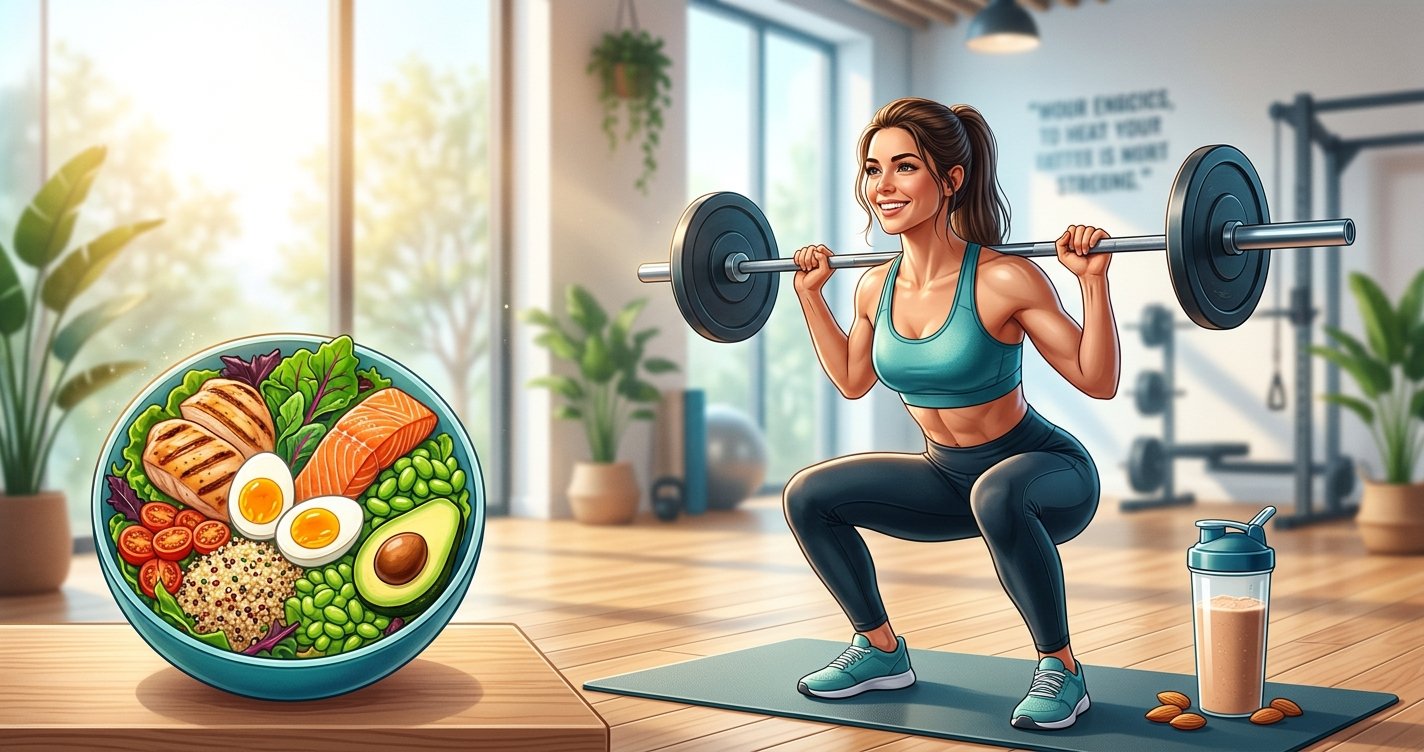
Ever felt like you're constantly battling hunger pangs and slow progress on your fat loss journey? You're not alone! Many people focus solely on cutting calories, only to find themselves tired, hungry, and eventually giving up. What if there was a powerful, delicious, and science-backed strategy that could make your fat loss efforts significantly easier and more sustainable? Enter protein – your ultimate ally in building a leaner, stronger, and healthier you.
Often associated primarily with bodybuilders, protein's role in fat loss extends far beyond just muscle gain. It's a nutritional powerhouse that can revolutionize your metabolism, control your appetite, and protect your precious muscle mass while you shed unwanted fat. In this comprehensive guide, we'll dive deep into the undeniable advantages of protein for fat loss, explore how much you truly need, uncover the best sources, and equip you with practical strategies to harness its power. this excellent wellness product
Why Protein is Your Fat Loss MVP (Most Valuable Player)
When it comes to effective and sustainable fat loss, protein isn't just a player on the team; it's the MVP. Here's why:
1. The Thermic Effect of Food (TEF): Burn More Calories Just by Eating!
Did you know that your body expends energy just to digest, absorb, and metabolize the food you eat? This is known as the Thermic Effect of Food (TEF), and protein has the highest TEF of all macronutrients. Roughly 20-30% of the calories from protein are burned off during digestion, compared to 5-10% for carbohydrates and 0-3% for fats. This means that by prioritizing protein, you're essentially giving your metabolism a mini-boost with every meal, contributing to a greater overall calorie deficit without feeling deprived.
2. Satiety & Hunger Control: Tame Those Cravings
One of the biggest hurdles in any fat loss journey is battling hunger and cravings. Protein is a champion at promoting satiety, meaning it helps you feel fuller for longer. Studies consistently show that higher protein intake leads to reduced appetite and decreased overall calorie consumption. This isn't just anecdotal; protein influences key hunger-regulating hormones like ghrelin (the hunger hormone) and GLP-1 (the satiety hormone), helping you feel satisfied and less likely to reach for unhealthy snacks between meals. Imagine going through your day feeling genuinely satisfied, not constantly thinking about your next meal – that's the protein advantage!
3. Muscle Preservation: Protect Your Metabolism
When you're in a calorie deficit for fat loss, your body can sometimes break down muscle tissue for energy, not just fat. This is a problem because muscle is metabolically active – it burns more calories at rest than fat does. Losing muscle can slow down your metabolism, making future fat loss even harder and increasing the risk of weight regain. A higher protein intake, especially when combined with strength training, is crucial for preserving lean muscle mass during a calorie deficit. By maintaining your muscle, you keep your metabolism revving, ensuring that the weight you lose is primarily fat, not valuable muscle.
How Much Protein Do You Actually Need for Fat Loss?
The "right" amount of protein can vary, but for fat loss, the general recommendations are often higher than the standard dietary allowance. While the Recommended Dietary Allowance (RDA) is 0.8 grams of protein per kilogram of body weight (0.36 grams per pound), this is typically the minimum to prevent deficiency, not necessarily optimal for fat loss or muscle preservation.
For individuals actively pursuing fat loss and engaging in regular exercise, current evidence suggests a range of 1.6 to 2.2 grams of protein per kilogram of body weight (approximately 0.7 to 1.0 grams per pound of body weight) per day. If you're very active or aiming to preserve maximum muscle mass, you might even go slightly higher, up to 2.5 g/kg.
- Example: If you weigh 70 kg (about 154 lbs), aiming for 1.8 g/kg would mean around 126 grams of protein per day.
- Example: If you weigh 180 lbs, aiming for 0.8 g/lb would mean around 144 grams of protein per day.
Don't fret about "too much" protein. For healthy individuals, a high protein intake within these ranges is generally safe and beneficial. Your body is well-equipped to handle it, and the benefits for satiety and muscle preservation are significant.
Smart Protein Sources: Fueling Your Body Right
Not all protein sources are created equal, but thankfully, there's a vast array of delicious options to choose from. Prioritize whole, minimally processed sources whenever possible.
Excellent Animal-Based Protein Sources:
- Lean Meats: Chicken breast, turkey breast, lean beef (sirloin, round), pork loin.
- Fish & Seafood: Salmon (also rich in omega-3s!), tuna, cod, shrimp, scallops.
- Eggs: Whole eggs are incredibly versatile and nutrient-dense.
- Dairy: Greek yogurt (especially plain, high-protein varieties), cottage cheese, milk, whey protein (if using supplements).
Fantastic Plant-Based Protein Sources:
- Legumes: Lentils, chickpeas, black beans, kidney beans.
- Soy Products: Tofu, tempeh, edamame.
- Grains: Quinoa, oats (to a lesser extent, but contributes).
- Nuts & Seeds: Almonds, peanuts, chia seeds, flax seeds, pumpkin seeds (in moderation due to calorie density).
- Plant-Based Protein Powders: Pea protein, rice protein, soy protein (if using supplements).
A note on protein supplements: While convenient, they should complement, not replace, whole food sources. They can be particularly useful for busy individuals, those with high protein needs, or as a quick post-workout option. Always choose reputable brands with minimal added sugars or artificial ingredients.
Practical Strategies to Boost Your Protein Intake
Now that you know the "why" and "what," let's talk about the "how." Integrating more protein into your daily routine doesn't have to be complicated.
- Start Your Day with Protein: Instead of sugary cereals or toast, opt for eggs, Greek yogurt, a protein smoothie, or cottage cheese. This sets you up for satiety and stable energy levels throughout the morning.
- Protein with Every Meal & Snack: Aim to include a significant protein source in every meal and even your snacks. Think chicken with your salad, fish with your veggies, a handful of almonds with your fruit, or some hard-boiled eggs.
- Plan Ahead (Meal Prep): Cook larger batches of lean protein like grilled chicken, baked salmon, or lentils at the beginning of the week. This makes it easy to add protein to any meal on the go.
- Smart Snacking: Ditch the chips and cookies. Opt for protein-rich snacks like a handful of nuts, a small container of Greek yogurt, a hard-boiled egg, or protein bars (check labels carefully for sugar content).
- Don't Forget Your Veggies: While not primary protein sources, many vegetables offer a decent protein contribution, especially when eaten in larger quantities. Plus, their fiber content will further enhance satiety.
Beyond the Plate: Protein & Your Overall Lifestyle
While protein is a powerful tool, it works best as part of a holistic approach to fat loss. Consider these complementary factors:
- Strength Training: Combining a high-protein diet with resistance training is the ultimate duo for muscle preservation and fat loss. Lifting weights signals your body to hold onto muscle, especially crucial during a calorie deficit.
- Hydration: Sometimes thirst can be mistaken for hunger. Ensure you're drinking plenty of water throughout the day.
- Sleep: Adequate sleep (7-9 hours) helps regulate hunger hormones and reduces cravings, making it easier to stick to your dietary goals.
- Stress Management: Chronic stress can impact hormones that influence fat storage. Find healthy ways to manage stress, whether it's meditation, yoga, or spending time in nature.
Common Protein Pitfalls to Avoid
Even with the best intentions, it's easy to stumble. Here are a few common mistakes to watch out for:
- Relying Solely on Supplements: Protein powders and bars are convenient, but they shouldn't be your only source. Whole foods provide a wider array of essential nutrients.
- Ignoring Quality: Opt for lean, minimally processed protein sources. A greasy burger, while high in protein, comes with excessive unhealthy fats that counteract your fat loss goals.
- Not Distributing Intake: Spreading your protein intake throughout the day (e.g., 20-40 grams per meal) is generally more effective for muscle protein synthesis and satiety than eating one huge protein meal.
Embrace the Protein Advantage for Sustainable Fat Loss!
Sustainable fat loss isn't about deprivation; it's about smart nutrition that fuels your body, controls your hunger, and protects your metabolism. By embracing the power of protein, you're not just aiming for a number on the scale; you're building a stronger, healthier, and more vibrant you.
Start today by making small, consistent changes. Add an extra scoop of Greek yogurt, choose chicken over an empty carb, or swap your sugary snack for a handful of almonds. You'll be amazed at how this simple yet profound shift can transform your fat loss journey, making it more effective, enjoyable, and truly sustainable. Your body will thank you!