Struggling with fat loss can feel like an uphill battle, especially with so much conflicting information out there. You've probably tried various diets, cut out entire food groups, or spent countless hours on the treadmill, only to see minimal results or find yourself back where you started. It's frustrating, and you're not alone! But what if we told you there's a simpler, more sustainable path to achieving your fat loss goals, one that doesn't involve extreme deprivation or endless cardio? The secret lies in harnessing the power of two fundamental principles: a smart calorie deficit and adequate protein intake. This isn't about quick fixes; it's about building lasting habits based on scientific evidence, leading to real, sustainable fat loss. Let's dive in and unlock the strategy that truly works!
Understanding the Calorie Deficit: The Golden Rule of Fat Loss
At its core, fat loss boils down to one undeniable scientific truth: you must consume fewer calories than your body burns. This is known as creating a calorie deficit. Think of your body like a car; if you put less fuel in than it uses, it has to tap into its reserves – in this case, stored body fat – for energy. It sounds simple, and it is, but it's often overcomplicated. this excellent wellness product
To establish a calorie deficit, you first need an estimate of your Total Daily Energy Expenditure (TDEE) – the total number of calories your body burns in a day, including basal metabolic rate, physical activity, and food digestion. Online calculators can provide a good starting point, or you can track your intake for a week and observe your weight. Once you have your TDEE, aim to consistently eat 300-500 calories less than that number. This moderate deficit is key for sustainable fat loss, allowing your body to shed fat without feeling overly deprived or triggering significant metabolic slowdown, which can happen with aggressive cuts. Remember, consistency over perfection is what truly drives results.
The Power of Protein: Your Secret Weapon for Fat Loss
While a calorie deficit is non-negotiable for fat loss, how you achieve that deficit makes all the difference. This is where protein steps onto the stage as your ultimate ally. Protein is not just for bodybuilders; it's a macronutrient powerhouse with several unique benefits that make it indispensable for anyone looking to lose fat effectively and sustainably.
1. Satiety: Feeling Full, Longer
One of protein's most significant advantages is its ability to keep you feeling fuller for longer. Compared to carbohydrates and fats, protein has the highest satiety index. When you consume protein, it triggers the release of hormones that signal fullness to your brain, reducing hunger pangs and curbing cravings. This means you're less likely to overeat or snack unnecessarily, making it easier to stick to your calorie deficit without feeling constantly hungry.
2. Thermic Effect of Food (TEF): Burn More Calories Just by Eating
Did you know that your body expends energy just to digest and process the food you eat? This is known as the Thermic Effect of Food (TEF), and protein has the highest TEF of all macronutrients. Approximately 20-30% of the calories from protein are burned during digestion, compared to 5-10% for carbohydrates and 0-3% for fats. This means that by prioritizing protein, you're essentially boosting your metabolism slightly, burning more calories without any extra effort!
3. Muscle Preservation: Protect Your Metabolism
When you're in a calorie deficit, your body can sometimes break down muscle tissue for energy, not just fat. This is detrimental because muscle is metabolically active, meaning it burns more calories at rest than fat does. Losing muscle can slow down your metabolism, making future fat loss even harder. Adequate protein intake, especially when combined with strength training, helps signal your body to preserve precious muscle mass, ensuring that the weight you lose is primarily fat. This helps maintain a healthy, robust metabolism, which is crucial for long-term success.
How Much Protein Do You Need?
For optimal fat loss and muscle preservation, aim for 0.7 to 1 gram of protein per pound of your target body weight (or current body weight if you're not significantly overweight). For example, if you weigh 150 pounds, target 105-150 grams of protein per day. Spread your protein intake throughout the day across your meals and snacks to maximize its benefits. Excellent sources include lean meats (chicken breast, turkey, lean beef), fish, eggs, dairy products (Greek yogurt, cottage cheese), legumes, tofu, and protein supplements like whey or plant-based protein powders.
Crafting Your Plate: Practical Strategies for High-Protein, Calorie-Controlled Meals
Now that you understand the 'why,' let's talk about the 'how.' Implementing these principles into your daily life doesn't have to be complicated. It's about making smart, informed choices.
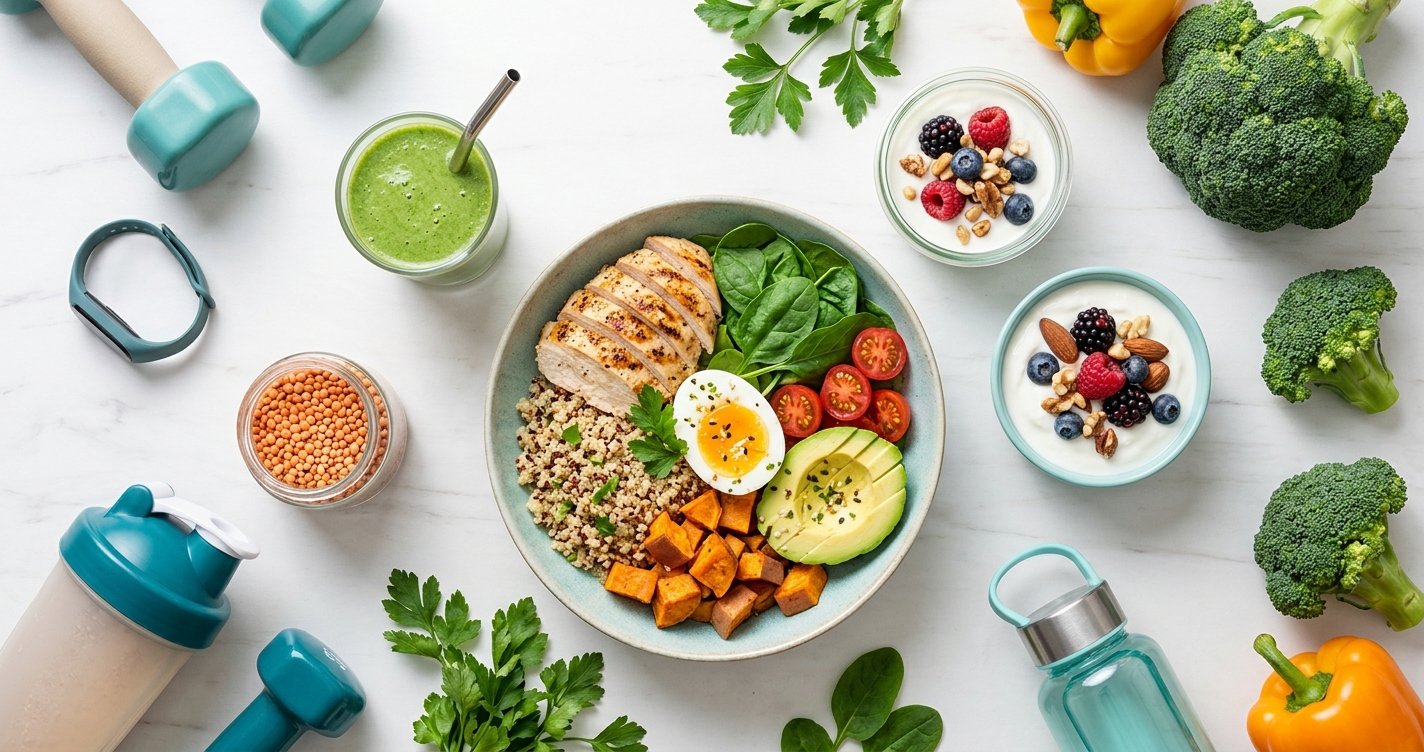
- Prioritize Protein at Every Meal: Make protein the star of your plate. Start with a serving of lean protein and then build the rest of your meal around it with plenty of non-starchy vegetables and a moderate portion of complex carbohydrates and healthy fats.
- Smart Snacking: Ditch the sugary, processed snacks. Opt for protein-rich options like Greek yogurt, cottage cheese, a handful of almonds, hard-boiled eggs, or a protein shake. These will keep you satisfied and prevent energy crashes.
- Meal Prep for Success: Dedicate some time each week to prepare protein sources (e.g., grilled chicken, baked salmon) and chop vegetables. Having healthy options readily available dramatically increases your chances of sticking to your plan.
- Hydration is Key: Sometimes, thirst can be mistaken for hunger. Drink plenty of water throughout the day. It also aids digestion and overall metabolic function.
- Be Mindful of Liquid Calories: Sugary drinks, specialty coffees, and excessive alcohol can add hundreds of empty calories to your day without contributing to satiety. Opt for water, unsweetened tea, or black coffee.
Beyond Calories and Protein: Other Pillars of Sustainable Fat Loss
While a calorie deficit and adequate protein are the cornerstones, sustainable fat loss is a holistic endeavor. Neglecting other aspects of your health can hinder your progress and impact your overall well-being.
- Strength Training: Incorporate resistance training 2-4 times a week. This is crucial for building and maintaining muscle mass, which further boosts your metabolism and improves body composition.
- Adequate Sleep: Poor sleep can wreak havoc on your hormones, increasing hunger (ghrelin) and decreasing satiety (leptin), making fat loss significantly harder. Aim for 7-9 hours of quality sleep per night.
- Stress Management: Chronic stress elevates cortisol levels, which can promote fat storage, especially around the midsection. Find healthy ways to manage stress, such as meditation, yoga, or spending time in nature.
- Non-Exercise Activity Thermogenesis (NEAT): Beyond your structured workouts, increase your general daily movement. Take the stairs, park further away, walk during phone calls, or stand more often. These small movements add up and contribute to your overall calorie expenditure.
Navigating Challenges and Staying Motivated
The path to fat loss isn't always linear. You'll encounter plateaus, slip-ups, and moments of doubt. This is normal! The key is to develop resilience and a long-term mindset.
- Dealing with Plateaus: If your progress stalls for a couple of weeks, don't panic. Re-evaluate your calorie intake, ensure you're still in a deficit, increase your NEAT, or consider a temporary slight increase in calories (a 'refeed' day) to give your metabolism a gentle nudge.
- Flexibility Over Perfection: Life happens. You'll have social events, holidays, and days where you can't hit your macros perfectly. Don't let one 'off' meal or day derail your entire journey. Get back on track with your next meal, forgive yourself, and move on.
- Celebrate Small Wins: Focus on non-scale victories – your clothes fitting better, increased energy, improved mood, stronger lifts in the gym. These are powerful motivators and indicators of progress that the scale might not always reflect.
- Seek Support: Share your goals with a trusted friend, family member, or consider working with a coach. Having a support system can make a significant difference.
Embrace Your Journey to a Healthier You
Fat loss doesn't have to be a battle of willpower against constant hunger. By understanding and consistently applying the principles of a smart calorie deficit and prioritizing protein intake, you're setting yourself up for success. This evidence-based approach, combined with strength training, quality sleep, and stress management, offers a sustainable pathway to not just losing fat, but transforming your body composition, boosting your energy levels, and improving your overall health and well-being. Embrace this powerful strategy, be patient with yourself, and enjoy the journey to a leaner, stronger, and healthier you!