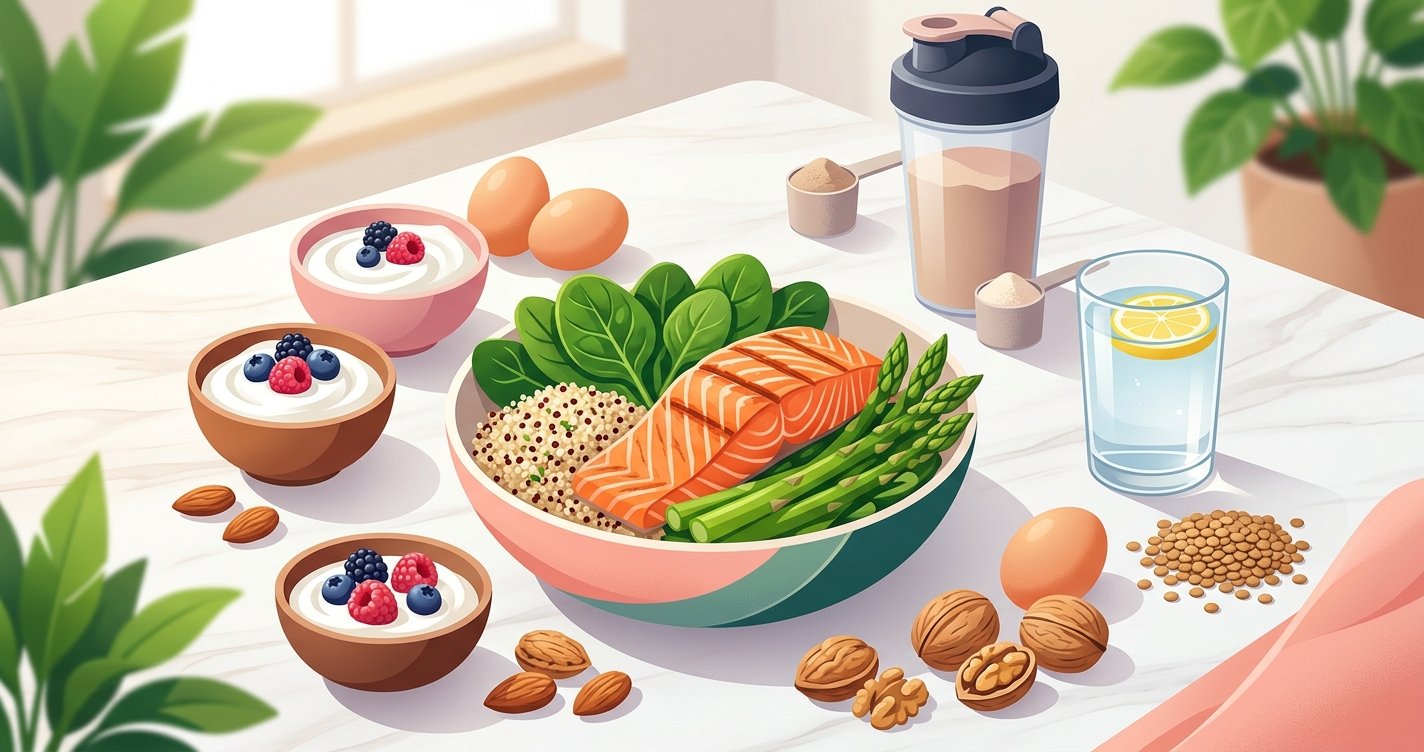
The Protein Advantage: Mastering Your Intake for Sustainable Fat Loss
Are you on a fat loss journey that feels like an uphill battle? Do you find yourself constantly hungry, struggling to maintain muscle, or hitting frustrating plateaus? If so, you’re not alone. The world of fat loss can be complex, filled with conflicting advice. But what if we told you there’s one powerful, often underutilized, ally that can make a profound difference? Enter protein.
Protein isn't just for bodybuilders. It’s a crucial macronutrient that plays a starring role in everything from muscle repair to hormone production. And when it comes to sustainable fat loss, its benefits are simply unparalleled. In this comprehensive guide, we'll dive deep into why protein is your fat loss MVP, how much you really need, and practical strategies to effortlessly incorporate more of it into your daily life. Get ready to unlock a leaner, stronger, and more satisfied you! this excellent wellness product
Why Protein is Your Fat Loss MVP (Most Valuable Player)
Understanding why protein is so effective for fat loss can empower you to make informed dietary choices. It’s not just about calories in vs. calories out; it’s about optimizing your body’s internal environment, and protein does this exceptionally well.
The Satiety Secret: Feeling Fuller, Longer
One of the biggest challenges in a calorie deficit is managing hunger. This is where protein shines brightest! Protein is incredibly satiating, meaning it helps you feel full and satisfied for longer periods compared to carbohydrates or fats. How does it do this? Protein influences several appetite-regulating hormones, such as:
- Ghrelin: Often called the 'hunger hormone,' protein helps suppress ghrelin levels, reducing those nagging hunger pangs.
- GLP-1 and PYY: These are 'fullness hormones' that protein helps increase, signaling to your brain that you’ve had enough to eat.
This enhanced satiety means you’re less likely to overeat, snack unnecessarily, or succumb to cravings, making adherence to your fat loss plan much easier and more enjoyable. Imagine going through your day feeling genuinely satisfied, rather than constantly battling hunger!
Boost Your Metabolism: The Thermic Effect of Food (TEF)
Did you know that your body burns calories just by digesting food? This is known as the Thermic Effect of Food (TEF), and protein has the highest TEF of all macronutrients. While carbohydrates have a TEF of 5-10% and fats 0-3%, protein boasts a TEF of 20-30%! This means that for every 100 calories of protein you consume, your body uses 20-30 of those calories just to process it. While not a massive game-changer on its own, this metabolic boost adds up over time and provides a significant advantage in your fat loss journey, helping you burn more calories passively.
Preserving Precious Muscle: The Key to a Sustainable Metabolism
When you’re in a calorie deficit, your body doesn't always discriminate between fat and muscle when it's looking for energy. Losing muscle mass is detrimental for fat loss because muscle is metabolically active – it burns more calories at rest than fat tissue. If you lose muscle, your resting metabolism slows down, making it harder to lose fat and easier to regain weight in the future.
Adequate protein intake is crucial for preserving lean muscle mass during a calorie deficit. It provides the essential amino acids your body needs to repair and build muscle, signaling to your body to hold onto that valuable tissue. By protecting your muscle, you keep your metabolism revving, ensuring that the weight you lose is predominantly fat, leading to a leaner and more sculpted physique.
How Much Protein Do You *Really* Need for Fat Loss?
The standard Recommended Dietary Allowance (RDA) for protein is 0.8 grams per kilogram of body weight (0.36 grams/pound). While this is sufficient to prevent deficiency, it’s often not optimal for individuals actively pursuing fat loss and muscle preservation.
General Recommendations vs. Fat Loss Specifics
For fat loss, scientific consensus and practical experience suggest a significantly higher intake. A widely recommended range for active individuals in a calorie deficit is 1.6 to 2.2 grams of protein per kilogram of body weight (or approximately 0.7 to 1 gram per pound of body weight). Let’s break that down:
- If you weigh 150 lbs, aim for roughly 105 to 150 grams of protein per day.
- If you weigh 70 kg, aim for roughly 112 to 154 grams of protein per day.
It’s often easier to think in terms of grams per pound of goal body weight or lean body mass if you have a significant amount of weight to lose. Starting at the lower end of this range and gradually increasing can be a sustainable approach.
Factors Influencing Your Protein Needs
Your exact protein requirements can vary based on several factors:
- Activity Level: The more active you are, especially with strength training, the higher your protein needs will be for muscle repair and growth.
- Age: As we age, our bodies become less efficient at utilizing protein (a phenomenon known as anabolic resistance), so older adults may benefit from slightly higher intakes.
- Body Composition: Individuals with more lean muscle mass generally have higher protein needs.
- Calorie Deficit Size: A larger calorie deficit might require slightly more protein to combat muscle loss.
Smart Strategies to Boost Your Protein Intake
Hitting your protein targets doesn’t have to be complicated or boring. With a few smart strategies, you can easily integrate more protein into your daily routine.
Prioritize Protein at Every Meal
Instead of just adding protein to your meals, make it the central focus. Aim for 20-40 grams of protein at each main meal and even your snacks. Distributing protein throughout the day is more effective for muscle protein synthesis and satiety than consuming one massive protein meal.
- Breakfast: Scrambled eggs with spinach, Greek yogurt with berries, cottage cheese, or a protein smoothie.
- Lunch: Grilled chicken salad, tuna wrap, lentil soup, or lean ground turkey stir-fry.
- Dinner: Baked salmon with roasted vegetables, lean steak with a side salad, or tofu curry.
Smart Snacking: Protein-Packed Options
Ditch the sugary snacks and opt for protein-rich alternatives to keep you full and satisfied between meals.
- Hard-boiled eggs
- A handful of almonds or pistachios
- Cottage cheese or Greek yogurt
- Edamame
- Beef jerky or biltong (check for low sugar options)
- Protein bars (choose wisely, look for low sugar/high protein)
Lean Protein Sources: A Pantry Power-Up
Building your meals around high-quality, lean protein sources is key. There’s a vast array of delicious options to choose from, catering to all dietary preferences:
- Animal Sources: Chicken breast, turkey, lean beef, pork loin, fish (salmon, cod, tuna), eggs, cottage cheese, Greek yogurt, milk.
- Plant Sources: Lentils, beans (black beans, kidney beans, chickpeas), tofu, tempeh, edamame, seitan, quinoa, spirulina, protein-rich vegetables (e.g., peas, broccoli).
Variety is the spice of life, and it also ensures you’re getting a full spectrum of essential amino acids and micronutrients.
The Role of Protein Supplements
Protein supplements, like whey, casein, or plant-based protein powders, can be incredibly useful tools, but they are not magic bullets. They are fantastic for convenience, especially if you struggle to meet your protein goals through whole foods alone, or for a quick post-workout refuel. However, always prioritize whole food sources first, as they offer a broader range of nutrients, fiber, and satiety benefits that supplements often lack.
Common Protein Pitfalls to Avoid
Even with the best intentions, it's easy to stumble. Here are a few common mistakes to watch out for on your protein-powered fat loss journey:
- Underestimating Your Needs: Many people think they eat 'enough' protein, but when they actually track it, they realize they're falling short of optimal fat loss targets.
- Over-relying on Supplements: While useful, don't let supplements completely replace whole foods. A balanced diet is always superior.
- Ignoring Fiber and Whole Foods: Protein is a powerful ally, but it works best as part of a balanced diet rich in fiber-filled vegetables, fruits, and healthy fats. These components are vital for overall health and digestive well-being.
- Not Tracking (Initially): You don't have to track macros forever, but for the first few weeks, using an app to log your food can give you invaluable insight into your current protein intake and help you identify areas for improvement.
Integrating Protein for Long-Term Success
Sustainable fat loss isn't about quick fixes; it's about building habits that support your health and goals for the long haul. Here's how to make protein a seamless part of your lifestyle:
- Make it a Habit, Not a Diet: Think of increasing protein as a permanent lifestyle upgrade, not a temporary diet restriction. Focus on delicious, protein-rich meals you genuinely enjoy.
- Listen to Your Body: Pay attention to how different protein sources and amounts make you feel. Adjust as needed to find what works best for your unique body and energy levels.
- Combine with Strength Training: Protein and resistance training are a dynamic duo for fat loss. Strength training signals your muscles to grow and adapt, while protein provides the building blocks. Together, they accelerate fat loss and lead to a stronger, more toned physique.
Embrace the Protein Advantage!
Optimizing your protein intake is one of the most impactful and evidence-based strategies you can adopt for sustainable fat loss. It’s a powerful tool that helps you manage hunger, boost your metabolism, and preserve muscle, all while promoting overall health and well-being.
Don't just chase weight loss; aim for fat loss and a stronger, healthier you. Start by making small, consistent changes: add an extra serving of lean protein to your breakfast, choose a protein-rich snack, or swap out a carb-heavy side for a protein alternative. These small adjustments can lead to profound results over time.
You have the power to transform your body and your relationship with food. Embrace the protein advantage, nourish your body, and enjoy the journey to a leaner, more vibrant you!