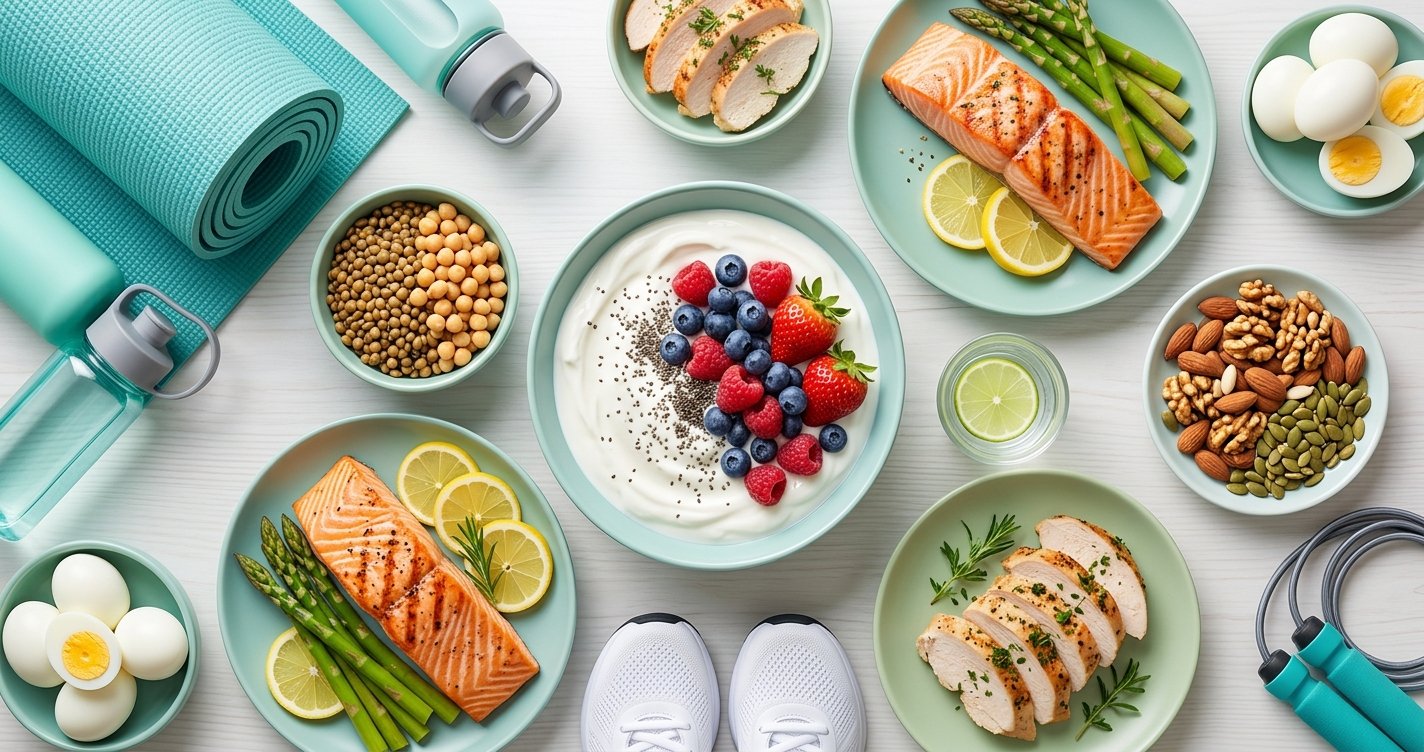
Are you navigating the often-confusing world of fat loss, jumping from one diet trend to another, only to find yourself back where you started? It's a common story, and it often stems from focusing on quick fixes rather than sustainable strategies. What if we told you there's a powerful, science-backed nutrient that can significantly boost your fat loss efforts, help you feel fuller, and protect your hard-earned muscle? Enter protein – your ultimate ally in achieving and maintaining a leaner, healthier body.
Forget the endless debates about carbs and fats for a moment. Today, we're diving deep into why protein is an absolute game-changer for anyone serious about sustainable fat loss. We'll explore the science, break down how much you need, highlight the best sources, and give you practical tips to weave this mighty macronutrient into your daily life. Get ready to unlock the true potential of your fat loss journey! this excellent wellness product
Why Protein is Your Fat Loss MVP (Most Valuable Player)
Protein isn't just for bodybuilders; it's a foundational nutrient for everyone, especially when your goal is to shed body fat. Its unique properties make it stand out from carbohydrates and fats, offering several distinct advantages that directly support fat loss.
1. The Satiety Superstar: Feeling Fuller, Longer
One of the biggest challenges with any fat loss journey is managing hunger. Cravings and persistent hunger can derail even the most determined efforts. This is where protein shines! Protein has a remarkable ability to increase feelings of fullness and reduce appetite more effectively than carbs or fats. When you consume protein, it triggers the release of satiety hormones (like GLP-1 and PYY) that signal to your brain that you're satisfied. This means you'll naturally eat less throughout the day, making it easier to stick to a calorie deficit without feeling deprived.
2. The Thermic Effect of Food (TEF): Burning More Calories Just by Eating
Did you know your body burns calories just to digest, absorb, and process the food you eat? This is known as the Thermic Effect of Food (TEF). Protein has a significantly higher TEF compared to carbohydrates and fats. Roughly 20-30% of the calories from protein are burned during digestion, compared to 5-10% for carbs and 0-3% for fats. This means that by simply increasing your protein intake, you're effectively boosting your daily calorie expenditure – a fantastic advantage for sustainable fat loss.
3. Muscle Preservation: Protecting Your Metabolism
When you're in a calorie deficit to lose fat, your body can sometimes break down muscle tissue for energy, not just fat. This is a problem because muscle is metabolically active, meaning it burns more calories at rest than fat does. Losing muscle can slow down your metabolism, making future fat loss harder and increasing the likelihood of weight regain. A high protein intake, especially when combined with resistance training, helps to preserve lean muscle mass during a calorie deficit. This ensures that the weight you're losing is primarily fat, not muscle, keeping your metabolism humming and your body looking toned and strong.
The Science Behind Protein's Power for Fat Loss
Let's briefly peek behind the curtain at the biological mechanisms that make protein so effective. Beyond the hormonal responses mentioned above, protein plays a crucial role in:
- Gluconeogenesis: While carbohydrates are the body's preferred immediate energy source, protein can be converted into glucose when needed. This process, called gluconeogenesis, is less efficient than using carbs directly, contributing to its higher TEF.
- Amino Acid Pool: When you consume protein, it's broken down into amino acids, the building blocks for countless bodily functions, including repairing and building muscle tissue. A consistent supply of amino acids ensures your body has what it needs to maintain muscle, even during periods of energy restriction.
- Insulin Sensitivity: Some research suggests that higher protein diets can improve insulin sensitivity, which is beneficial for blood sugar control and can indirectly support fat loss by reducing fat storage.
The evidence is compelling. Numerous studies have shown that higher protein diets lead to greater fat loss, better muscle retention, and improved satiety compared to lower protein diets, even when calorie intake is matched. It's not just anecdotal; it's robust science.
How Much Protein Do You Really Need for Fat Loss?
This is a common question, and the answer isn't a one-size-fits-all. While the Recommended Dietary Allowance (RDA) for protein is 0.8 grams per kilogram of body weight, this is merely a minimum to prevent deficiency, not an optimal amount for fat loss or muscle building.
For individuals actively trying to lose fat while preserving muscle, research generally recommends a higher intake:
- General Guideline: Aim for 1.6 to 2.2 grams of protein per kilogram of body weight per day.
- Example: If you weigh 70 kg (about 154 lbs), this would translate to roughly 112-154 grams of protein per day.
- Lean Body Mass Focus: Some experts suggest aiming for 2.2-3.0 grams per kilogram of *lean body mass* (your weight minus fat mass) for even more precise targeting, especially for very lean individuals.
Factors like your activity level, age, and current body composition can influence these numbers. If you're highly active or older, you might benefit from the higher end of the spectrum. It's often helpful to distribute your protein intake throughout the day, aiming for 20-40 grams per meal to optimize muscle protein synthesis.
Top Protein Sources for a Leaner You
Variety is key to ensuring you get a full spectrum of amino acids and other essential nutrients. Here are excellent protein sources to incorporate into your diet:
Animal-Based Proteins (Complete Proteins)
- Lean Meats: Chicken breast, turkey, lean beef (sirloin, round), pork loin.
- Fish & Seafood: Salmon, tuna, cod, shrimp, sardines (rich in omega-3s too!).
- Eggs: A versatile and affordable complete protein.
- Dairy: Greek yogurt, cottage cheese, milk, whey protein (excellent for snacks and post-workout).
Plant-Based Proteins (Often Need Combining for Complete Profile)
- Legumes: Lentils, chickpeas, black beans, kidney beans.
- Soy Products: Tofu, tempeh, edamame (all complete proteins).
- Grains: Quinoa, buckwheat (complete proteins).
- Nuts & Seeds: Almonds, walnuts, chia seeds, flax seeds, pumpkin seeds (also provide healthy fats).
- Vegetables: While lower in protein, broccoli, spinach, and Brussels sprouts contribute to your overall intake.
Protein Supplements (When & Why)
Protein powders (whey, casein, soy, pea, rice) can be a convenient and effective way to meet your protein targets, especially if you struggle to get enough from whole foods, are on the go, or have higher needs due to intense training. They are not essential but can certainly be helpful tools.
Practical Strategies: Integrating Protein Into Every Meal
Making protein a priority doesn't have to be complicated. Here’s how you can easily boost your intake throughout the day:
- Breakfast Boost: Start your day strong. Instead of just toast, opt for scrambled eggs, Greek yogurt with berries, a protein smoothie, or cottage cheese.
- Lunch & Dinner Anchors: Make protein the centerpiece of your main meals. Think grilled chicken salad, lentil soup, salmon with roasted vegetables, or a tofu stir-fry.
- Smart Snacking: Ditch the sugary snacks and grab protein-rich alternatives. Hard-boiled eggs, a handful of almonds, a protein bar, or a small container of Greek yogurt are excellent choices.
- Pre & Post-Workout: Consuming protein around your workouts can aid in recovery and muscle repair. A protein shake or a small protein-rich snack can be beneficial.
- Meal Prep: Cook larger batches of lean protein (chicken, ground turkey, lentils) at the beginning of the week to easily add to your meals.
Remember, consistency is far more important than perfection. Don't stress if every meal isn't perfectly optimized. Focus on making small, sustainable changes that add up over time.
Beyond Protein: A Holistic Approach to Sustainable Fat Loss
While protein is a powerful tool, it's part of a larger picture. For truly sustainable fat loss and overall health, remember to also prioritize:
- Strength Training: Lifting weights is crucial for building and preserving muscle mass, which boosts your metabolism.
- Adequate Sleep: Poor sleep can disrupt hormones that regulate appetite (ghrelin and leptin), making fat loss harder. Aim for 7-9 hours per night.
- Stress Management: Chronic stress can elevate cortisol, a hormone that can promote fat storage, especially around the midsection. Find healthy ways to manage stress.
- Hydration: Drinking enough water supports metabolism, aids digestion, and can help with feelings of fullness.
- Fiber-Rich Foods: Pair your protein with plenty of fruits, vegetables, and whole grains for added fiber, which also contributes to satiety and gut health.
Embrace the Protein Advantage for Lasting Results
You now have the knowledge and tools to harness the incredible power of protein for your fat loss journey. By prioritizing this essential macronutrient, you're not just aiming for temporary weight loss; you're investing in a strategy that promotes satiety, boosts your metabolism, preserves muscle, and supports overall well-being. It’s a sustainable, evidence-based approach that moves beyond fleeting trends.
So, take the guesswork out of your diet. Start making conscious choices to increase your protein intake today. Your body will thank you, and you'll be well on your way to achieving not just your fat loss goals, but a stronger, healthier, and more vibrant you. What are you waiting for? Fuel your journey with protein and experience the difference!