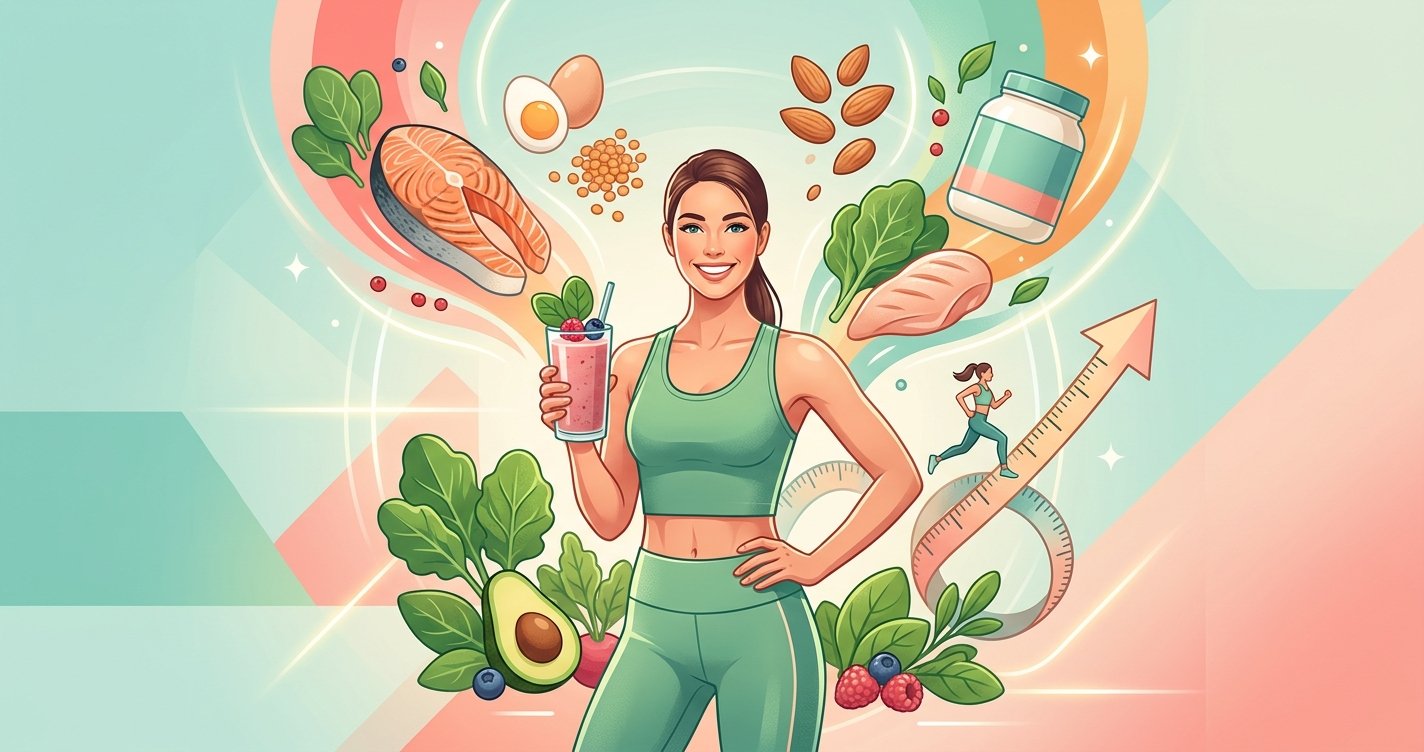
Are you on a fat loss journey that feels like an uphill battle? Do you constantly battle hunger, struggle to keep the lost weight off, or feel like your efforts aren't translating into the physique you desire? You're not alone. Many people focus purely on calorie restriction or endless cardio, often overlooking one of the most powerful, yet simple, tools in their arsenal: protein.
Protein isn't just for bodybuilders. It's a macronutrient powerhouse that can transform your fat loss efforts from frustrating to fantastic. In this comprehensive guide, we'll dive deep into why protein is your ultimate ally for sustainable fat loss, backed by science, and how you can harness its power effectively. Get ready to unlock a more satisfying and successful path to your goals! this excellent wellness product
Why Protein is Your Fat Loss MVP (Most Valuable Player)
Let's cut to the chase: protein helps you lose fat and keep it off in several remarkable ways. Think of it as a multi-tool for your metabolism, satiety, and muscle preservation.
1. The Satiety Superstar: Feeling Fuller, Longer
One of the biggest challenges in a calorie deficit is hunger. Protein is unmatched when it comes to keeping you feeling full and satisfied. Research consistently shows that a higher protein intake significantly reduces appetite and overall calorie consumption throughout the day. How does it work?
- Hormonal Harmony: Protein influences the release of satiety hormones like PYY and GLP-1, which signal fullness to your brain, while simultaneously reducing ghrelin, the "hunger hormone."
- Slower Digestion: Protein takes longer to digest than carbohydrates or fats, meaning it stays in your stomach longer, promoting prolonged feelings of fullness.
This means fewer cravings, less mindless snacking, and an easier time sticking to your dietary goals without feeling deprived.
2. The Metabolic Master: Boosting Your Calorie Burn
Did you know that your body burns calories just by digesting food? This is known as the Thermic Effect of Food (TEF), and protein has the highest TEF of all macronutrients.
- Protein's High TEF: While carbohydrates burn 5-10% of their calories during digestion and fats burn 0-3%, protein burns a whopping 20-30% of its calories just to be processed!
This means that for every 100 calories of protein you consume, your body uses 20-30 of those calories just to break it down. Over the course of a day, this can add up to a significant metabolic boost, helping you burn more calories without extra effort.
3. The Muscle Protector: Preserving Lean Mass During Fat Loss
When you're in a calorie deficit, your body naturally wants to tap into stored energy. Unfortunately, it doesn't always discriminate between fat and muscle. Losing muscle mass is detrimental to fat loss because muscle is metabolically active, burning more calories at rest than fat tissue.
- Muscle Preservation: A high protein intake, especially when combined with resistance training, signals to your body to preserve precious muscle tissue while you're losing fat. This is crucial for maintaining a healthy metabolism and achieving a toned physique.
- Body Recomposition: By preserving muscle and losing fat, you're not just losing "weight"; you're improving your body composition, which is the true marker of success in fat loss.
Protein Power: How Much Do You Really Need?
This is where many people get confused. While general dietary guidelines suggest around 0.8 grams of protein per kilogram of body weight (0.36g/lb), these are often minimums to prevent deficiency, not optimal amounts for fat loss.
For sustainable fat loss, especially when in a calorie deficit and incorporating exercise, research suggests a higher intake:
- Target Range: Aim for approximately 1.6 to 2.2 grams of protein per kilogram of body weight, or roughly 0.7 to 1.0 gram per pound of your target body weight (or current body weight if you're overweight/obese and not extremely muscular).
- Example: If you weigh 150 pounds and are looking to lose fat, aiming for 105-150 grams of protein per day would be a great starting point.
This higher intake helps maximize satiety, TEF, and muscle preservation, making your fat loss journey more effective and enjoyable.
Smart Protein Choices: Beyond Chicken Breast
Variety is the spice of life, and it's also key to making your protein intake enjoyable and sustainable. While lean meats are excellent, there's a whole world of protein-rich foods to explore.
Animal-Based Protein Sources:
- Lean Meats: Chicken breast, turkey, lean beef (sirloin, round), pork loin.
- Fish & Seafood: Salmon (also rich in omega-3s!), cod, tuna, shrimp, scallops.
- Eggs: Whole eggs are incredibly nutritious and versatile.
- Dairy: Greek yogurt (high in protein, great for snacks), cottage cheese, skim milk.
Plant-Based Protein Sources:
- Legumes: Lentils, chickpeas, black beans, kidney beans.
- Soy Products: Tofu, tempeh, edamame.
- Grains: Quinoa (a complete protein), oats.
- Nuts & Seeds: Almonds, peanuts, chia seeds, flax seeds (use in moderation due to calorie density).
Protein Supplements:
- Whey Protein: Fast-digesting, great post-workout or for a quick boost.
- Casein Protein: Slow-digesting, good before bed.
- Plant-Based Protein Powders: Pea, rice, soy blends for those avoiding animal products.
While supplements can be convenient, prioritize whole food sources for their additional vitamins, minerals, and fiber.
Timing is Everything (Or Is It?): Spreading Your Protein Intake
While total daily protein intake is the most critical factor, how you distribute that protein can also play a role in optimizing muscle protein synthesis (MPS) and satiety.
- Even Distribution: Aim to spread your protein intake relatively evenly across 3-5 meals or snacks throughout the day. For example, if you're aiming for 120 grams of protein, try to get 30-40 grams per main meal.
- Why Even Distribution? Each "dose" of protein helps stimulate MPS. By spreading it out, you create more opportunities to stimulate muscle repair and growth, which is beneficial for body composition.
- Pre/Post-Workout: While the "anabolic window" isn't as narrow as once thought, consuming protein before or after your workout can certainly support recovery and muscle adaptation. Don't stress if you can't hit it precisely; focus on your daily total first.
Protein & Resistance Training: A Dynamic Duo
If you're serious about sustainable fat loss and improving your body composition, combining a high-protein diet with resistance training is non-negotiable. They work synergistically:
- Resistance Training: Provides the stimulus for muscle growth and repair.
- Protein Intake: Provides the building blocks (amino acids) necessary for that growth and repair.
Without adequate protein, your body won't have the resources to effectively repair and build muscle, even if you're lifting weights diligently. This powerful combination helps you retain muscle, boost your metabolism, and sculpt a stronger, leaner physique.
Common Protein Pitfalls to Avoid
Even with the best intentions, some common mistakes can hinder your protein strategy.
- Ignoring Total Calories: Protein is crucial, but it still contains calories. For fat loss, you still need to be in a calorie deficit. Don't overdo protein to the point where you exceed your daily calorie target.
- Lack of Variety: Eating the same few protein sources day in and day out can lead to dietary boredom and potential nutrient deficiencies. Mix it up!
- Over-reliance on Supplements: While convenient, protein shakes shouldn't replace whole food protein sources. Whole foods offer a broader spectrum of nutrients.
- Fear of "Too Much Protein": For healthy individuals, a high protein intake (up to 2.2g/kg or even higher) is generally safe and beneficial. Unless you have pre-existing kidney conditions, there's little evidence to suggest harm. Consult a doctor if you have concerns.
Putting It All Together: Your Practical Action Plan
Ready to put protein to work for your fat loss goals? Here's a simple action plan:
- Calculate Your Target: Determine your ideal daily protein intake (e.g., 0.7-1.0g per pound of target body weight).
- Plan Your Meals: Look at your typical daily meals and identify where you can add or increase protein. Aim for 20-40 grams per meal/snack.
- Prioritize Whole Foods: Build your meals around lean protein sources, vegetables, and whole grains.
- Smart Snacking: Opt for protein-rich snacks like Greek yogurt, cottage cheese, hard-boiled eggs, or a handful of almonds.
- Hydrate: Drink plenty of water throughout the day to support metabolism and satiety.
- Combine with Strength Training: Incorporate 2-4 sessions of resistance training per week to maximize muscle preservation and growth.
- Be Consistent: This isn't a quick fix; it's a sustainable lifestyle change. Consistency is key to long-term success.
Conclusion: Embrace the Protein Advantage for Sustainable Fat Loss
Protein is far more than just a muscle builder; it's a cornerstone of effective and sustainable fat loss. By prioritizing adequate protein intake, you'll experience greater satiety, a boosted metabolism, and crucial muscle preservation, all of which pave the way for a leaner, stronger, and healthier you.
Don't let your fat loss journey be a battle against hunger and frustration. Empower yourself with the protein advantage. Start today, make smart choices, stay consistent, and watch as you transform your body and your relationship with food for good. Your sustainable fat loss success story starts now!