Are you on a journey to shed some stubborn fat, feel healthier, and boost your energy, but constantly battling hunger or hitting plateaus? You’re not alone! Many people focus solely on cutting calories, only to find themselves feeling deprived, losing muscle, and struggling to maintain their results long-term. What if there was a powerful, science-backed nutrient that could make your fat loss journey smoother, more effective, and genuinely sustainable? Enter protein – your ultimate secret weapon.
Often overlooked or misunderstood, protein is far more than just for bodybuilders. It’s a foundational nutrient crucial for anyone looking to optimize their body composition, preserve muscle, and achieve lasting fat loss. In this guide, we’re going to dive deep into the incredible benefits of protein, how much you truly need, and practical ways to integrate it seamlessly into your daily life. Get ready to unlock the protein advantage and transform your fat loss journey! this excellent wellness product
Why Protein is Your Fat Loss MVP (Most Valuable Player)
Think of protein as the MVP of your plate when it comes to fat loss. While carbohydrates provide quick energy and fats are essential for hormone production and nutrient absorption, protein plays a unique and indispensable role in shaping your body and controlling your appetite. It's the building block for virtually everything in your body – from your muscles and organs to your hair and nails. But its impact on fat loss goes far beyond just structure.
By prioritizing protein, you're not just eating; you're strategically fueling your body for success. You’ll experience less hunger, a more active metabolism, and a greater ability to hold onto precious muscle mass, even when you're in a calorie deficit. This isn't about restrictive diets; it's about smart nutrition that empowers your body to burn fat more efficiently and effectively.
The Science Behind Protein's Power for Fat Loss
Let's peel back the layers and understand the scientific mechanisms that make protein such a game-changer for fat loss:
1. Satiety and Appetite Control: Taming the Hunger Beast
One of protein's most celebrated benefits is its unparalleled ability to keep you feeling full and satisfied. Research consistently shows that a higher protein intake significantly reduces appetite and cravings. How does it work? Protein influences the release of satiety hormones like PYY and GLP-1, while simultaneously reducing levels of ghrelin, the 'hunger hormone'. This means fewer urges to snack between meals and a greater likelihood of sticking to your calorie goals without feeling deprived.
Imagine going longer between meals without that gnawing hunger, or feeling truly content after a smaller portion. That's the power of protein at work, making it easier to naturally consume fewer calories without the constant battle against your own biology.
2. The Thermic Effect of Food (TEF): Your Metabolic Boost
Did you know that your body expends energy just to digest, absorb, and metabolize the food you eat? This is known as the Thermic Effect of Food (TEF), and protein has the highest TEF of all macronutrients. While carbs have a TEF of 5-10% and fats 0-3%, protein boasts a TEF of 20-30%. This means that for every 100 calories of protein you consume, your body uses 20-30 of those calories just to process it!
While this might not sound like a huge number, over the course of a day and weeks, it adds up. A higher protein intake effectively gives your metabolism a slight, but consistent, boost, helping you burn more calories around the clock. It's like having a tiny, internal furnace working harder simply because you chose protein.
3. Protecting Your Precious Muscle Mass: The Anti-Catabolic Effect
When you're in a calorie deficit (eating fewer calories than you burn), your body naturally looks for energy sources. Without sufficient protein, there's a risk that your body will break down muscle tissue for fuel, alongside fat. This is highly undesirable because muscle is metabolically active – it burns more calories at rest than fat does. Losing muscle means a slower metabolism, making long-term fat loss and weight maintenance much harder.
Adequate protein intake acts as a shield, signaling to your body to preserve muscle mass even when calories are restricted. This ensures that the weight you're losing is primarily fat, not muscle, helping you maintain a higher resting metabolic rate and a leaner, stronger physique. This is especially crucial if you're engaging in strength training, as protein provides the amino acids needed for muscle repair and growth.
How Much Protein Do You *Really* Need?
This is where many people get confused. The standard Recommended Dietary Allowance (RDA) for protein is 0.8 grams per kilogram of body weight, but this is often considered the minimum to prevent deficiency, not the optimal amount for active individuals or those aiming for fat loss. For sustainable fat loss and muscle preservation, current evidence-based recommendations are significantly higher:
- General Recommendation for Fat Loss: Aim for 1.6 to 2.2 grams of protein per kilogram of body weight (or 0.73 to 1.0 grams per pound of body weight) per day.
- For Very Active Individuals or Higher Muscle Mass: Some studies suggest even higher intakes, up to 2.5 grams per kilogram, can be beneficial.
For example, if you weigh 70 kg (about 154 lbs), you'd be looking at roughly 112 to 154 grams of protein per day. This might seem like a lot, but it’s completely achievable with smart food choices and proper planning.
Practical Protein Power-Ups: Fueling Your Day
Now that you know why protein is so important, let's talk about how to get enough of it without feeling overwhelmed. It's easier than you think!
Top Protein-Rich Food Sources:
Focus on whole, unprocessed foods for the best results:
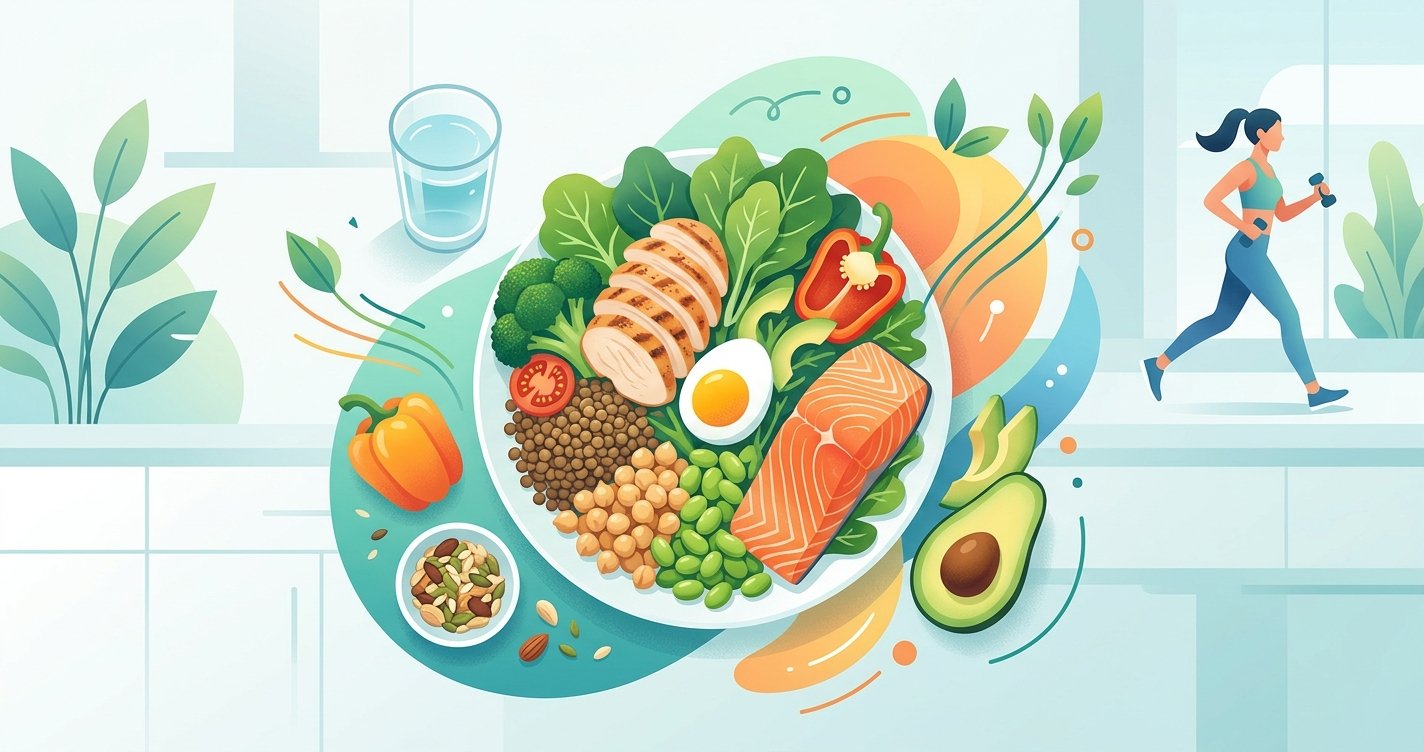
- Lean Meats: Chicken breast, turkey, lean beef, pork loin.
- Fish & Seafood: Salmon, tuna, cod, shrimp, scallops (rich in omega-3s too!).
- Eggs: Whole eggs are incredibly versatile and nutritious.
- Dairy: Greek yogurt, cottage cheese, milk, kefir (opt for lower-fat versions if preferred).
- Legumes & Beans: Lentils, chickpeas, black beans (also great fiber sources).
- Plant-Based Proteins: Tofu, tempeh, edamame, seitan, protein pasta.
- Nuts & Seeds: Almonds, peanuts, chia seeds, flax seeds (good fats too, but protein content varies).
Smart Meal Timing Strategies:
Instead of trying to cram all your protein into one meal, spread it out throughout the day. Aim for 20-40 grams of protein at each main meal (breakfast, lunch, dinner) and include protein in your snacks. This helps maximize muscle protein synthesis and keeps you feeling full consistently.
- Start Strong: A high-protein breakfast (e.g., eggs, Greek yogurt, protein smoothie) sets the tone for the day, reducing morning cravings.
- Protein with Every Meal: Make protein the centerpiece of your lunch and dinner.
- Smart Snacking: Opt for protein-rich snacks like a handful of almonds, a hard-boiled egg, or a small serving of cottage cheese instead of sugary treats.
When to Consider Supplements:
While whole foods should always be your primary source, protein supplements can be a convenient and effective way to meet your daily targets, especially if you have a busy lifestyle or higher protein needs.
- Whey Protein: Fast-digesting, great post-workout.
- Casein Protein: Slow-digesting, good before bed.
- Plant-Based Protein: Pea, rice, soy protein for those avoiding animal products.
Remember, supplements are designed to *supplement* your diet, not replace whole foods. Always check ingredients and opt for reputable brands.
Common Protein Pitfalls to Avoid
While protein is fantastic, there are a few common mistakes to be aware of:
- Over-reliance on Supplements: Don't forget the micronutrients and fiber found in whole foods. Balance is key.
- Not Varying Sources: Eating the same chicken breast every day can get boring and might lead to missing out on other vital nutrients. Explore different protein sources.
- Ignoring Quality: Opt for lean, high-quality protein sources when possible. Processed meats, while high in protein, often come with added sodium and unhealthy fats.
- Forgetting Hydration: A higher protein intake means your kidneys work a bit harder. Ensure you're drinking plenty of water throughout the day.
Making Protein a Lifestyle: Consistency is Key
The beauty of the protein advantage lies in its sustainability. This isn't a fad diet; it's a fundamental nutritional strategy that supports your body's natural processes for fat loss and muscle maintenance. Making protein a priority doesn't require drastic overhauls, but rather consistent, mindful choices.
Start small. Try adding an extra protein source to your breakfast. Swap a sugary snack for a protein-rich one. Plan your meals around a lean protein source. Over time, these small changes become habits, and those habits lead to remarkable, lasting results. Remember, your journey to sustainable fat loss is about empowering your body, not punishing it.
Embrace the Protein Advantage for Lasting Results!
You now have the knowledge and the tools to leverage protein as your most powerful ally in your fat loss journey. By prioritizing adequate protein intake, you're not just counting calories; you're optimizing your body's natural ability to feel full, boost its metabolism, and protect precious muscle. This leads to a more enjoyable, effective, and ultimately, a more sustainable path to achieving your health and body composition goals.
So, go ahead – embrace the protein advantage! Start making conscious choices to include more high-quality protein in your meals and snacks. Your body, your energy levels, and your fat loss progress will thank you for it. You’ve got this!