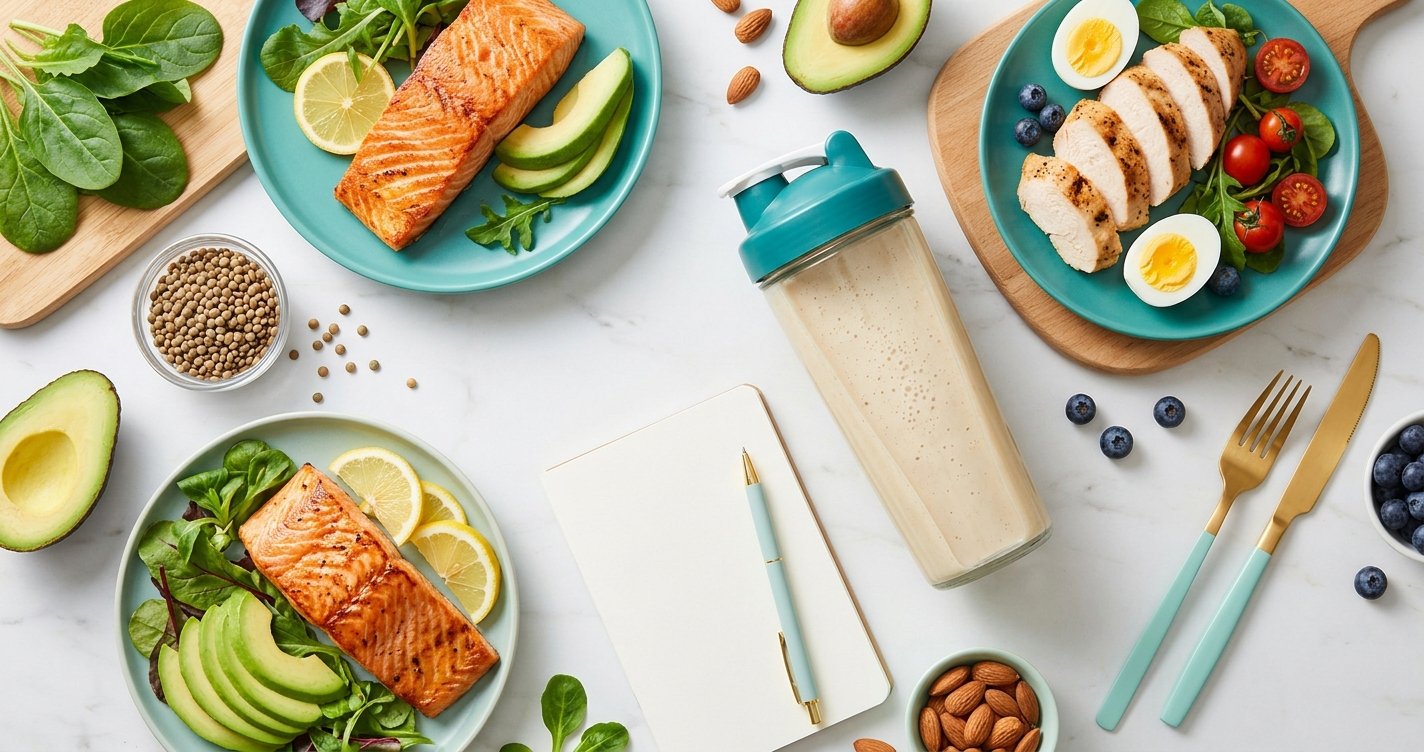
Are you on a journey to shed some unwanted fat, but constantly battling hunger, cravings, or feeling like your progress has stalled? You’re not alone! Many people focus solely on cutting calories, only to find themselves feeling deprived and eventually giving up. What if there was a powerful, science-backed nutrient that could make your fat loss journey significantly easier, more sustainable, and more effective?
Enter protein — often hailed by fitness enthusiasts, but sometimes overlooked in its incredible potential for fat loss. It’s not just for bodybuilders! Protein is a fundamental macronutrient that plays a crucial role in nearly every bodily function, and when it comes to losing fat and building a leaner, stronger body, it truly is your secret weapon. In this comprehensive guide, we’ll dive deep into why protein is so vital for sustainable fat loss, how much you really need, the best sources, and practical strategies to seamlessly incorporate more of it into your daily life. this excellent wellness product
Why Protein is Your Best Friend for Fat Loss
Protein isn’t just about building big muscles; it’s a cornerstone of effective fat loss for several compelling, evidence-based reasons. Understanding these benefits can empower you to make smarter dietary choices.
The Satiety Superstar: Keeping Hunger at Bay
One of the biggest challenges in any fat loss journey is managing hunger. When you’re in a calorie deficit, your body naturally signals for more food. This is where protein shines! Studies consistently show that protein is the most satiating of all macronutrients. This means it keeps you feeling fuller for longer compared to carbohydrates or fats.
How does it work? Protein influences several hormones that control appetite. It helps to increase levels of satiety hormones like CCK and GLP-1, while simultaneously reducing levels of ghrelin, the “hunger hormone.” This hormonal tango means fewer cravings, less mindless snacking, and ultimately, an easier time sticking to your calorie goals without feeling constantly deprived.
The Thermic Effect of Food (TEF) Power-Up
Have you ever heard that some foods burn more calories just by being digested? That’s the Thermic Effect of Food (TEF), and protein has the highest TEF of all macronutrients. Roughly 20-30% of the calories from protein are burned just during the digestion and absorption process, compared to 5-10% for carbs and 0-3% for fats. While this might seem like a small number, it adds up over time.
By prioritizing protein, you’re subtly boosting your daily calorie expenditure without even trying. It’s like a mini metabolic boost built right into your diet, helping you achieve that crucial calorie deficit more efficiently.
Muscle Preservation & Growth: Maintaining Your Metabolic Engine
When you lose weight, you want to lose fat, not muscle. Unfortunately, during a calorie deficit, your body can sometimes break down muscle tissue for energy, especially if you’re not consuming enough protein. Lean muscle mass is metabolically active, meaning it burns more calories at rest than fat tissue does.
Consuming adequate protein — especially when combined with resistance training — is critical for preserving your precious muscle mass. This helps prevent the dreaded metabolic slowdown that can often accompany dieting, making it easier to maintain your results long-term. In fact, protein provides the amino acids needed to repair and build muscle, ensuring your body remains a more efficient fat-burning machine.
How Much Protein Do You Actually Need?
The recommended dietary allowance (RDA) for protein is often cited as 0.8 grams per kilogram of body weight (0.36 grams per pound). However, this is generally considered the minimum to prevent deficiency for a sedentary individual, not necessarily the optimal amount for fat loss, muscle preservation, or an active lifestyle.
General Guidelines vs. Individual Needs
For individuals actively pursuing fat loss, especially those who are also exercising, higher protein intakes are generally recommended and supported by research. A common recommendation for fat loss is in the range of 1.6 to 2.2 grams of protein per kilogram of body weight (0.7 to 1.0 grams per pound of body weight).
- If you’re very active or doing strength training: Aim for the higher end of the spectrum.
- If you have a significant amount of weight to lose: Base your protein intake on your target body weight or lean body mass, rather than your current total weight, to avoid excessively high and unnecessary amounts.
Remember, these are guidelines. Listen to your body, monitor your hunger levels, and adjust as needed. Consulting with a registered dietitian or nutritionist can provide personalized recommendations.
Spreading It Out: The Power of Distribution
It’s not just about your total daily protein intake; how you distribute it throughout the day also matters. Research suggests that spreading your protein intake across 3-4 meals (and potentially a snack or two) can be more effective for satiety and muscle protein synthesis than consuming a large amount in one sitting.
Aim for roughly 20-40 grams of protein per meal, depending on your total daily goal. This strategy helps to keep your hunger hormones in check and provides a steady supply of amino acids to your muscles throughout the day.
Top Protein Sources to Power Your Journey
Thankfully, there’s a vast array of delicious and nutritious protein sources available to help you hit your goals. Variety is key to getting a full spectrum of amino acids and other essential nutrients.
Animal-Based Heroes
These sources are typically “complete proteins,” meaning they contain all nine essential amino acids your body can’t produce on its own.
- Lean Meats: Chicken breast, turkey breast, lean beef (sirloin, round), pork tenderloin. These are excellent sources with minimal fat.
- Fish: Salmon, tuna, cod, tilapia, shrimp. Fatty fish like salmon also provide beneficial omega-3 fatty acids.
- Eggs: A complete protein powerhouse, versatile, and affordable. Don’t skip the yolk; it contains many nutrients!
- Dairy: Greek yogurt (especially high in protein), cottage cheese, milk, kefir.
Plant-Based Powerhouses
For those following a vegetarian or vegan diet, or simply looking to diversify, plant-based proteins are increasingly popular and effective. Combining various plant proteins throughout the day can ensure you get all essential amino acids.
- Legumes: Lentils, chickpeas, black beans, kidney beans. Great in soups, salads, and main dishes.
- Tofu, Tempeh, Edamame: Versatile soy-based products that can be grilled, baked, or added to stir-fries.
- Quinoa: A complete protein grain, excellent as a side dish or base for salads.
- Nuts and Seeds: Almonds, walnuts, chia seeds, flax seeds, pumpkin seeds. Good for snacks or toppings.
- Protein Powders: Whey, casein, soy, pea, hemp, or rice protein powders can be a convenient way to boost intake, especially post-workout or for quick meals.
Practical Strategies to Boost Your Protein Intake
Knowing why protein is important and what to eat is one thing; consistently incorporating it into your daily routine is another. Here are some actionable tips:
Make Protein the Star of Every Meal
Shift your plate’s focus. Instead of building a meal around a carb (like pasta or rice), start with your protein source. For example:
- Breakfast: Scrambled eggs with spinach, Greek yogurt with berries, or a protein smoothie.
- Lunch: A large salad with grilled chicken or chickpeas, a turkey and veggie wrap, or lentil soup.
- Dinner: Baked salmon with roasted vegetables, lean ground beef stir-fry, or tofu curry.
Smart Snacking: Ditch the Empty Calories
When hunger strikes between meals, reach for protein-rich snacks instead of sugary or highly processed options. This will keep you satisfied and prevent energy crashes.
- Hard-boiled eggs
- A handful of almonds or walnuts
- Cottage cheese or Greek yogurt
- Beef jerky (low sodium)
- Protein bar (check sugar content)
- Apple slices with a tablespoon of peanut butter
Get Creative in the Kitchen
Don’t be afraid to experiment! Protein can be incorporated into many dishes you already enjoy.
- Add protein powder to your oatmeal, pancakes, or morning coffee.
- Use lean ground turkey or chicken instead of higher-fat meats in tacos, chili, or pasta sauces.
- Blend cottage cheese or Greek yogurt into sauces or dips for a protein boost.
- Explore new recipes that highlight plant-based proteins like tempeh “bacon” or lentil “meatballs.”
Common Protein Myths Debunked
Despite its benefits, protein often gets a bad rap due to outdated or misunderstood information. Let’s clear up some common misconceptions.
“Too Much Protein Damages Kidneys”
This is a widely circulated myth. For healthy individuals with normal kidney function, there is no scientific evidence to suggest that a high-protein diet causes kidney damage. The confusion often arises because people with pre-existing kidney disease are advised to limit protein intake. If you have any kidney issues, always consult your doctor or a dietitian. For most healthy people, however, a higher protein intake is safe and beneficial.
“Protein Makes You Bulky”
Another common concern, particularly among women. Protein is essential for building and repairing muscle, but simply eating more protein will not automatically make you “bulky.” Significant muscle growth (hypertrophy) requires a very specific training regimen, a calorie surplus, and often specific hormonal profiles. For most people, a higher protein intake, especially in a calorie deficit, helps preserve lean muscle mass while promoting fat loss, leading to a leaner, more toned physique, not a bulky one.
“All Protein is Equal”
While all protein provides amino acids, there are differences. “Complete” proteins (mostly animal sources like meat, eggs, dairy) contain all nine essential amino acids. “Incomplete” proteins (most plant sources like beans, nuts) are lacking in one or more. However, by eating a varied diet of plant-based proteins throughout the day (e.g., rice and beans), you can easily get all essential amino acids. The quality and digestibility of protein sources can also vary, but focusing on whole, minimally processed sources is generally a good strategy.
Beyond Protein: The Holistic Approach to Fat Loss
While protein is a superstar for fat loss, it’s important to remember that it’s one piece of a larger puzzle. Sustainable fat loss is best achieved through a holistic approach that includes several key components:
- Calorie Deficit: Ultimately, you need to consume fewer calories than you burn. Protein helps you achieve this more comfortably.
- Strength Training: Crucial for building and preserving muscle mass, which boosts your metabolism.
- Hydration: Drinking enough water supports metabolism, satiety, and overall health.
- Adequate Sleep: Poor sleep can disrupt hunger hormones and make fat loss harder.
- Stress Management: Chronic stress can lead to increased cortisol levels, which can hinder fat loss.
By integrating a higher protein intake with these other healthy habits, you create a powerful synergy that not only helps you lose fat but also improves your overall health and well-being.
Embrace the Protein Advantage for Lasting Results
Embarking on a fat loss journey can feel overwhelming, but by understanding and harnessing the power of protein, you can make the process significantly smoother and more effective. From its incredible ability to curb hunger and boost your metabolism to its vital role in preserving muscle, protein truly is an indispensable ally.
Start by making small, consistent changes. Prioritize protein at every meal, choose smart protein-rich snacks, and explore diverse sources. Remember, this isn’t about perfection, but about progress and building sustainable habits that support your goals. Embrace the protein advantage, combine it with a well-rounded approach to nutrition and exercise, and get ready to discover a leaner, stronger, and more energized you!