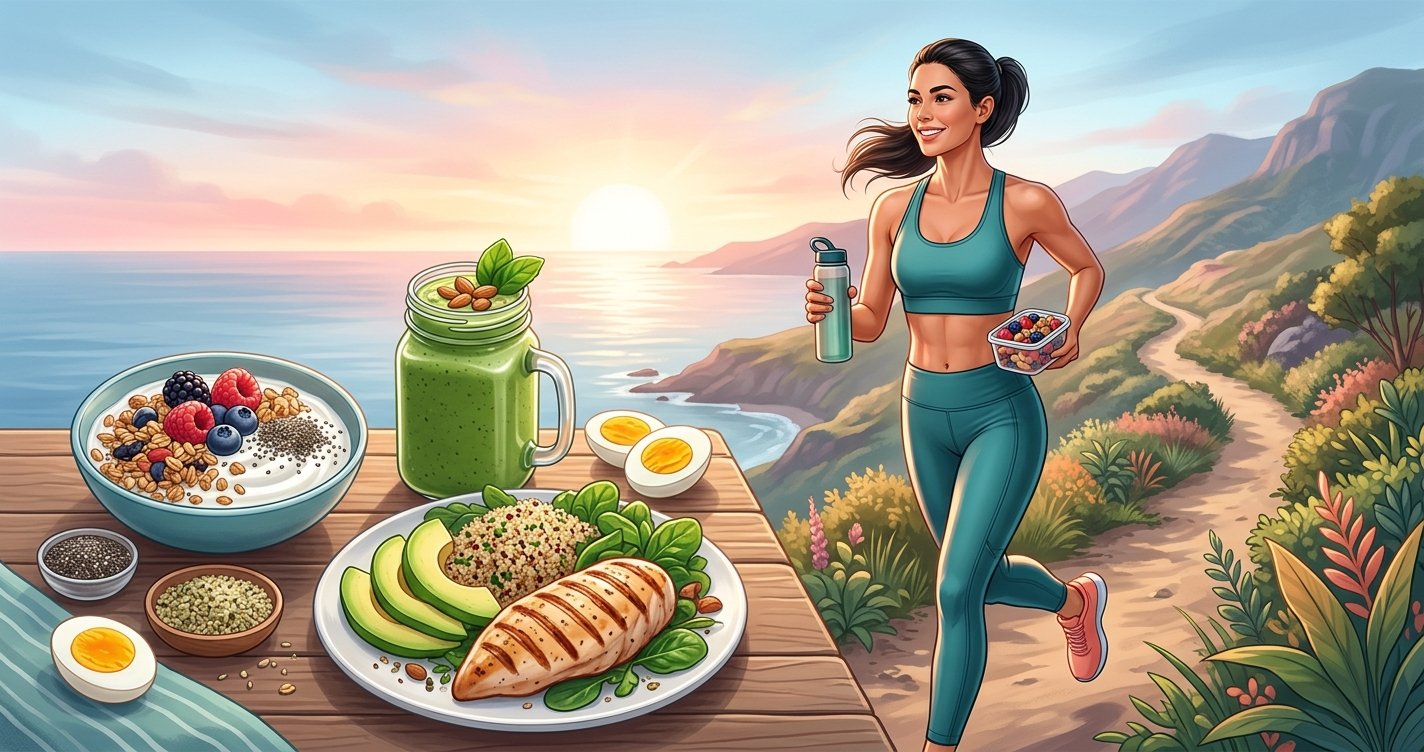
Are you on a quest to shed those stubborn pounds, feel more energetic, and build a leaner, stronger you? If so, you've likely heard a lot about different diets and strategies. But what if one key nutrient held the power to unlock significant, sustainable fat loss? We're talking about protein – not just for bodybuilders, but for anyone serious about transforming their body.
In the world of fat loss, protein is often hailed as a superhero, and for good reason. It's not just about building bulging biceps; it's about optimizing your metabolism, curbing hunger, and preserving precious muscle as you lose weight. This comprehensive guide, your 'Protein Playbook,' will dive into the science-backed reasons why protein is your most valuable player in the fat loss game, how much you truly need, and practical ways to integrate more of it into your daily life. Get ready to fuel your body, burn fat, and build lasting results! this excellent wellness product
Why Protein is Your Fat Loss MVP (Most Valuable Player)
Protein isn't just a nutrient; it's a strategic ally in your fat loss journey. Its unique properties make it stand out from carbohydrates and fats when it comes to body composition goals. Let's explore the three main reasons why protein earns its MVP status.
The Satiety Superstar: Feeling Full, Longer
One of the biggest challenges when trying to lose fat is managing hunger and cravings. This is where protein shines! Numerous studies highlight protein's superior ability to increase satiety – that feeling of fullness and satisfaction after a meal. When you eat protein, it triggers the release of hormones like GLP-1 and CCK, which signal to your brain that you're full, reducing your desire to eat more. This means fewer mindless snacks, less overeating, and an easier time sticking to your calorie goals without feeling deprived. Imagine going longer between meals feeling content and energized, not battling a rumbling stomach!
Muscle Maestro: Preserving Lean Mass
When you're in a calorie deficit to lose fat, your body can sometimes break down muscle tissue for energy, not just fat. This is a big problem because muscle is metabolically active, meaning it burns more calories at rest than fat does. Losing muscle can slow down your metabolism, making future fat loss harder and potentially leading to a 'skinny fat' physique. This is where protein steps in as your muscle maestro. A higher protein intake, especially when combined with strength training, helps signal your body to preserve existing muscle mass and even build new muscle, even while you're losing weight. This ensures that a greater percentage of the weight you lose is fat, not muscle, keeping your metabolism humming.
Metabolic Magic: The Thermic Effect of Food
Did you know your body expends energy just to digest, absorb, and process the food you eat? This is known as the Thermic Effect of Food (TEF). And guess which macronutrient has the highest TEF? You guessed it – protein! While carbohydrates and fats have a TEF of around 5-15%, protein boasts a TEF of 20-30%. This means that for every 100 calories of protein you consume, your body uses 20-30 of those calories just to process it. While not a massive number on its own, this 'metabolic boost' adds up over the course of a day and week, contributing to a slightly higher overall calorie expenditure, giving you a subtle yet significant advantage in your fat loss efforts.
How Much Protein Do You Really Need? (Evidence-Based Guidelines)
So, protein is great, but how much is enough? The general dietary recommendations for protein are often lower than what's optimal for fat loss and muscle preservation. Let's break down what the science suggests.
General Recommendations vs. Fat Loss Specifics
For general health, the Recommended Dietary Allowance (RDA) for protein is 0.8 grams per kilogram of body weight. However, for individuals actively pursuing fat loss, research consistently shows that higher protein intakes are more beneficial. Many studies suggest aiming for 1.6 to 2.2 grams of protein per kilogram of body weight (or 0.7 to 1.0 grams per pound of body weight). For example, a person weighing 150 lbs (approx. 68 kg) would aim for roughly 109-150 grams of protein per day.
Considering Activity Levels
Your activity level also plays a crucial role. If you're highly active, especially engaging in regular strength training, your protein needs will be on the higher end of that spectrum (closer to 2.0-2.2 g/kg). This increased demand helps support muscle repair, recovery, and growth, which are all vital for maintaining a healthy metabolism and body composition. If you're less active, you might be fine at the lower end (1.6-1.8 g/kg), but still significantly above the general RDA.
Smart Protein Choices: Fueling Your Journey
Now that you know how much protein to aim for, let's talk about the best sources to fill your plate. Prioritizing whole, minimally processed foods will always be your best bet.
Lean Meats & Poultry
- Chicken Breast & Turkey: Excellent sources of lean protein, versatile for many dishes.
- Lean Beef & Pork: Opt for cuts like sirloin, tenderloin, or extra-lean ground options.
- Fish & Seafood: Salmon, tuna, cod, shrimp – packed with protein and often healthy fats (especially salmon for omega-3s).
Dairy & Eggs
- Eggs: The incredible edible egg is a complete protein source, affordable, and versatile.
- Greek Yogurt: Much higher in protein than regular yogurt, great for snacks or breakfast.
- Cottage Cheese: Another dairy powerhouse, rich in casein protein for sustained release.
- Milk & Kefir: Good sources, especially for post-workout recovery.
Plant-Based Powerhouses
- Legumes: Lentils, chickpeas, black beans – combine with grains for complete protein.
- Tofu & Tempeh: Soy-based options that are incredibly versatile in cooking.
- Edamame: Great as a snack or addition to salads.
- Quinoa: A complete protein grain.
- Nuts & Seeds: Almonds, peanuts, chia seeds, flax seeds – also provide healthy fats and fiber.
Protein Supplements: When and Why
While whole foods should always be your primary source, protein supplements can be a convenient and effective way to meet your daily protein targets, especially if you have a busy lifestyle or high protein needs. Whey protein (fast-digesting, great post-workout), casein protein (slow-digesting, good before bed), and plant-based proteins (pea, rice, soy) are popular options. Remember, they are supplements, not meal replacements, and should complement a diet rich in whole foods.
Practical Strategies for Protein Perfection
Knowing what to eat and how much is one thing; putting it into practice is another. Here are some actionable strategies to boost your protein intake effortlessly.
Spread It Out: Optimizing Intake Throughout the Day
Instead of trying to cram all your protein into one or two meals, aim to distribute your intake evenly across your meals and snacks. Research suggests that consuming 20-40 grams of protein per meal, 3-4 times a day, can be optimal for muscle protein synthesis and satiety. For example, a high-protein breakfast helps kickstart your metabolism and keeps you full until lunch, preventing mid-morning energy dips and cravings.
Make Every Meal Count: Protein-Packed Ideas
- Breakfast: Scrambled eggs with spinach and feta, Greek yogurt with berries and nuts, protein smoothie.
- Lunch: Chicken or tuna salad on whole-wheat bread, lentil soup with a side of cottage cheese, leftover lean meat with roasted vegetables.
- Dinner: Baked salmon with quinoa and asparagus, lean beef stir-fry with plenty of veggies, bean chili.
Smart Snacking for Success
When hunger strikes between meals, reach for protein-rich snacks that will keep you satisfied and prevent you from reaching for less nutritious options. Think hard-boiled eggs, a handful of almonds, a small container of cottage cheese, a protein bar, or apple slices with peanut butter. These small additions add up and help you hit your daily protein goals without much effort.
Beyond Protein: The Holistic Fat Loss Picture
While protein is a powerful tool, it's important to remember that it's one piece of a larger puzzle. Sustainable fat loss is a holistic endeavor that also involves:
- Calorie Deficit: Ultimately, you need to consume fewer calories than you burn to lose fat. Protein helps make this easier by boosting satiety.
- Strength Training: Crucial for building and preserving muscle, which works synergistically with protein intake.
- Hydration: Drinking enough water supports metabolism and can help manage hunger.
- Adequate Sleep: Poor sleep can disrupt hormones that regulate appetite and fat storage.
- Stress Management: Chronic stress can lead to increased cortisol levels, which can hinder fat loss.
By focusing on these pillars alongside your protein intake, you'll create a robust and sustainable strategy for achieving your body composition goals.
Conclusion: Your Path to a Leaner, Stronger You
Embracing a higher protein intake is not a fad diet; it's a science-backed, sustainable strategy for effective fat loss and body transformation. By harnessing protein's power to boost satiety, preserve muscle, and enhance metabolism, you're setting yourself up for success. Remember, consistency is key. Start incorporating these strategies today, and you'll be well on your way to fueling your body, burning fat efficiently, and sustaining the results you've always dreamed of. Your protein playbook is open – let the transformation begin!