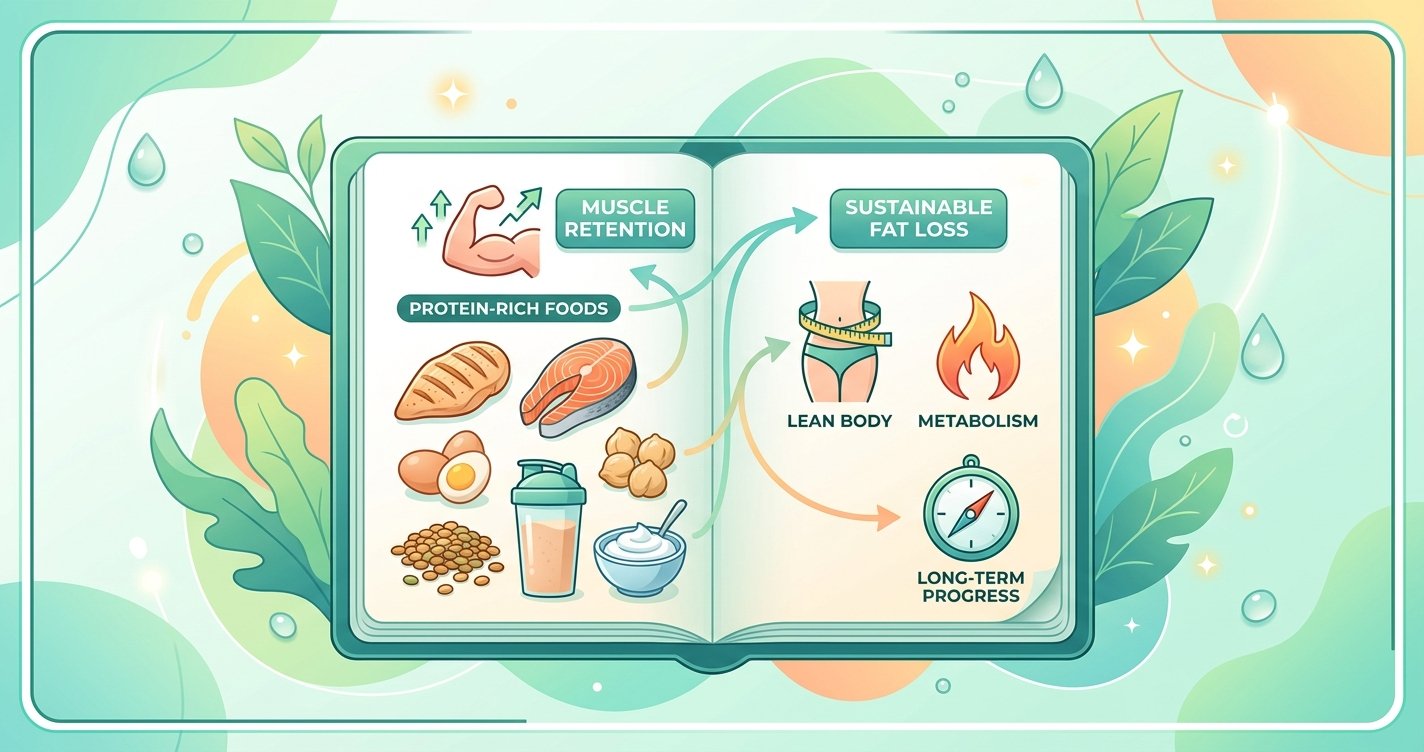
Are you on a journey to shed stubborn fat, but constantly feel hungry, tired, or like you’re losing muscle alongside the fat? You’re not alone. Many people focus solely on cutting calories or endless cardio, often overlooking one of the most powerful allies in sustainable fat loss: protein. Think of protein not just as a muscle builder, but as your strategic partner in achieving a leaner, stronger, and more vibrant you.
In this comprehensive guide, we're going to dive deep into the science-backed reasons why prioritizing protein is a game-changer for fat loss. We’ll explore how it helps you feel full, burns more calories, protects your precious muscle, and ultimately makes your fat loss journey more effective and enjoyable. Get ready to unlock the power of protein and transform your approach to a healthier lifestyle! this excellent wellness product
The Protein Power-Up: More Than Just Muscle
While protein is undeniably crucial for building and repairing muscles, its benefits extend far beyond the gym. For anyone aiming for fat loss, protein offers a unique set of advantages that make it an indispensable nutrient.
The Thermic Effect of Food (TEF): Burn More Calories Just By Eating!
Did you know that your body expends energy just to digest, absorb, and metabolize the food you eat? This is known as the Thermic Effect of Food (TEF), and it varies significantly between macronutrients. Protein has the highest TEF of all three macros (protein, carbs, fat). Roughly 20-30% of the calories from protein are burned off during its digestion and metabolism, compared to 5-10% for carbohydrates and 0-3% for fats. This means that by simply increasing your protein intake, you can naturally boost your daily calorie expenditure without even breaking a sweat! It’s like a mini-metabolic furnace firing up with every protein-rich meal.
Satiety Superhero: Feeling Full, Longer
One of the biggest challenges in fat loss is battling hunger and cravings. This is where protein truly shines as a satiety superhero. Protein has a remarkable ability to keep you feeling fuller for longer compared to carbohydrates or fats. It influences several hormones that regulate appetite, such as ghrelin (the hunger hormone) and peptide YY (PYY, a satiety hormone). Consuming adequate protein helps suppress ghrelin and increase PYY, sending signals to your brain that you're satisfied. This natural appetite control can significantly reduce mindless snacking, prevent overeating, and make sticking to your calorie goals much easier and more sustainable.
Protecting Your Gains: Muscle Matters for Metabolism
When you're in a calorie deficit to lose fat, your body can sometimes break down muscle tissue for energy, especially if protein intake is insufficient. This is a common pitfall that can sabotage your long-term fat loss efforts.
Why Muscle is Your Metabolic Ally
Lean muscle mass is metabolically active, meaning it burns more calories at rest than fat tissue does. The more muscle you have, the higher your resting metabolic rate (RMR) will be. A higher RMR means you burn more calories throughout the day, even when you're just sitting on the couch. This is why preserving muscle during fat loss is absolutely critical – it helps maintain a robust metabolism, making it easier to keep the fat off in the long run.
Protein's Role in Muscle Preservation
Consuming enough protein provides your body with the essential amino acids it needs to repair and rebuild muscle tissue. When you combine a calorie deficit with a high-protein diet and resistance training, you create an optimal environment for preserving lean muscle mass while primarily losing fat. Think of protein as the protective shield for your muscles, ensuring that your body taps into fat stores for energy instead of breaking down hard-earned muscle.
Beyond the Basics: Practical Protein Strategies
Now that you understand the 'why,' let's talk about the 'how.' Implementing a high-protein approach doesn't have to be complicated. Here are some practical strategies to make protein your best friend in fat loss.
How Much Protein Do You Really Need?
While general recommendations exist, for fat loss, aiming higher is often beneficial. A common guideline for individuals actively trying to lose fat while preserving muscle is to consume 1.6 to 2.2 grams of protein per kilogram of body weight (or approximately 0.7 to 1 gram per pound of body weight) daily. For example, if you weigh 70 kg (154 lbs), you'd aim for roughly 112-154 grams of protein per day. It’s always best to consult with a healthcare professional or registered dietitian to tailor recommendations to your specific needs and health conditions.
Spreading the Wealth: Timing Your Protein Intake
Instead of trying to cram all your protein into one or two meals, aim to distribute it evenly throughout the day. Research suggests that consuming 20-40 grams of protein per meal, spread across 3-5 meals or snacks, can optimize muscle protein synthesis and keep you feeling satiated. Start your day with a protein-rich breakfast, include protein in your lunch and dinner, and opt for protein-packed snacks.
Top Protein Sources: Delicious & Diverse
Variety is the spice of life, and it's also key to getting a full spectrum of amino acids and other essential nutrients. Here are some excellent sources:
- Lean Meats: Chicken breast, turkey, lean beef, pork loin.
- Fish & Seafood: Salmon, tuna, cod, shrimp, tilapia (rich in omega-3s too!).
- Eggs: A complete protein, versatile, and affordable.
- Dairy: Greek yogurt, cottage cheese, milk, whey protein (great for snacks or post-workout).
- Legumes & Beans: Lentils, chickpeas, black beans (also fiber-rich!).
- Plant-Based Proteins: Tofu, tempeh, edamame, seitan, quinoa, various plant-based protein powders.
Common Protein Pitfalls & How to Avoid Them
Even with the best intentions, it's easy to fall into traps. Be mindful of these common mistakes:
- Not Enough Variety: Sticking to just chicken and rice can lead to nutrient deficiencies and boredom. Explore different sources!
- Over-reliance on Supplements: While protein powders are convenient, prioritize whole food sources for their additional vitamins, minerals, and fiber.
- Forgetting Protein at Snacks: Many snacks are carb-heavy. Pair your fruit with Greek yogurt or grab a handful of almonds instead of just chips.
- Ignoring Quality: Opt for lean, minimally processed protein sources over heavily processed meats or protein bars loaded with sugar.
Putting It All Together: Your High-Protein Action Plan
Ready to make protein your fat loss secret weapon? Here’s your actionable plan:
- Assess Your Current Intake: For a few days, track your protein intake using a food tracking app. This gives you a baseline.
- Set a Realistic Target: Based on the guidelines above (1.6-2.2g/kg), determine your daily protein goal.
- Prioritize Protein at Breakfast: Start your day strong with eggs, Greek yogurt, or a protein smoothie.
- Include Protein in Every Meal: Make sure each main meal has a solid protein source (e.g., a palm-sized portion of meat, fish, or plant-based equivalent).
- Plan Protein-Rich Snacks: Keep cottage cheese, nuts, seeds, hard-boiled eggs, or protein bars handy.
- Experiment with Recipes: Discover new ways to incorporate protein. Think protein pancakes, lentil soups, or chicken stir-fries.
- Stay Hydrated: Drinking plenty of water also aids satiety and overall metabolic function.
- Combine with Strength Training: Maximize muscle preservation and growth by lifting weights 2-4 times a week.
- Be Consistent: Small, consistent changes add up to significant results over time.
Embrace the Protein Advantage!
Integrating more protein into your diet is one of the most effective, evidence-based strategies for sustainable fat loss. It’s not about restrictive eating; it’s about smart eating that supports your body’s needs, keeps hunger at bay, and fuels your metabolism. By embracing the power of protein, you’re not just losing weight; you’re building a stronger, healthier, and more resilient body. So, go ahead – make protein your priority, and watch your fat loss journey become more enjoyable and successful. You've got this!