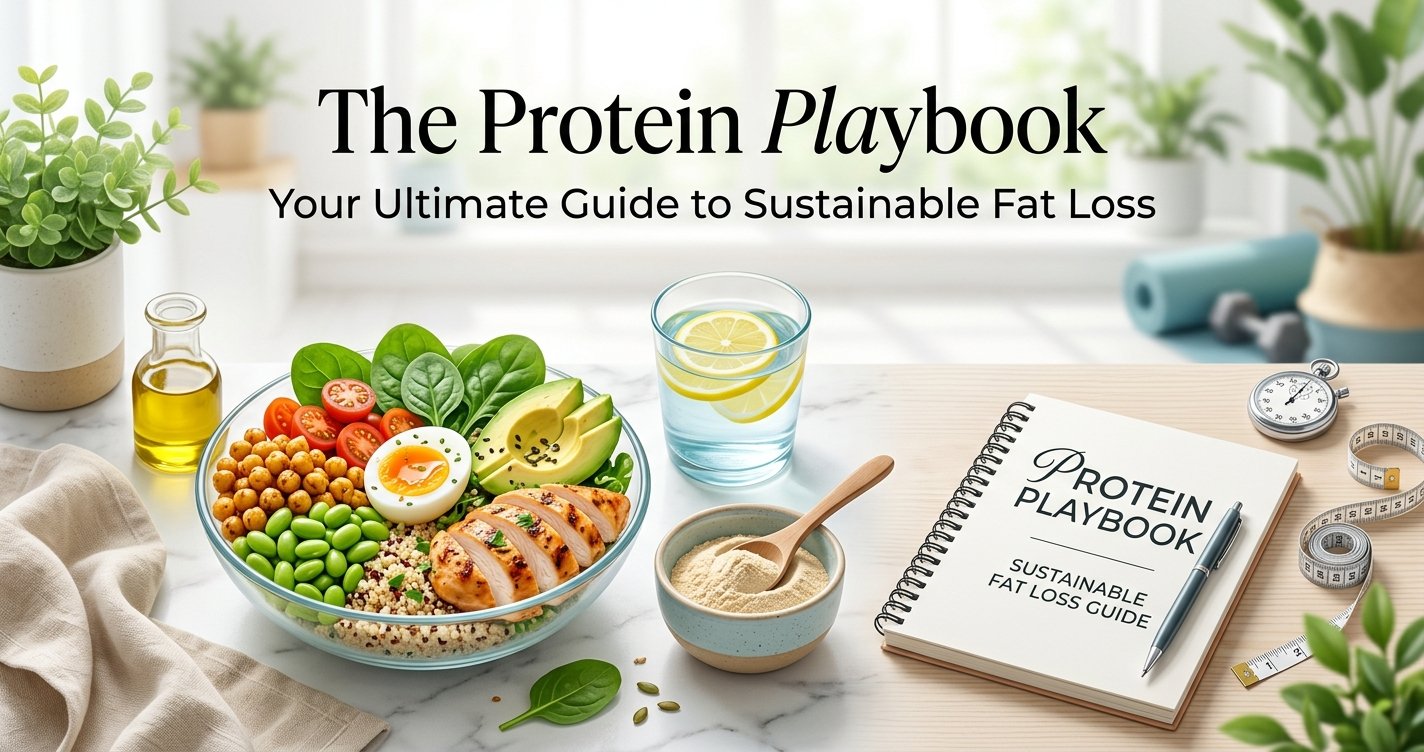
Are you tired of the endless cycle of restrictive diets that promise quick fixes but deliver only frustration? Many fat loss journeys focus solely on cutting calories, leaving you feeling hungry, deprived, and often losing precious muscle along with fat. But what if there was a powerful, science-backed ally that could make your fat loss efforts more effective, more sustainable, and even more enjoyable?
Enter protein. Often relegated to the realm of bodybuilders, protein is, in fact, your secret weapon for achieving and maintaining a leaner, healthier physique. It’s not just about building big muscles; it's about optimizing your body's natural processes to shed fat efficiently, preserve muscle, and keep hunger at bay. In this comprehensive guide, we'll dive deep into why protein is so crucial for fat loss, how much you truly need, the best sources to fuel your body, and practical strategies to seamlessly integrate it into your daily life. this excellent wellness product
Why Protein is Your Secret Weapon for Sustainable Fat Loss
Protein isn't just another macronutrient; it's a powerhouse that works on multiple fronts to support your fat loss goals. Let's break down its key benefits:
Satiety Powerhouse: Feeling Fuller, Longer
One of the biggest challenges in any fat loss journey is managing hunger and cravings. This is where protein shines. Protein has a remarkable ability to increase satiety, meaning it helps you feel full and satisfied for longer periods compared to carbohydrates or fats. How does it do this?
- Hormonal Regulation: Protein influences the release of gut hormones like PYY and GLP-1, which signal fullness to your brain, while simultaneously reducing levels of ghrelin, the 'hunger hormone'.
- Stable Blood Sugar: Unlike simple carbohydrates, protein has a minimal impact on blood sugar levels, preventing the sharp spikes and crashes that often lead to increased hunger and cravings.
By keeping you feeling fuller, protein naturally reduces your overall calorie intake throughout the day, making it easier to maintain the necessary calorie deficit for fat loss without feeling deprived.
Boosting Your Metabolism: The Thermic Effect of Food (TEF)
Did you know that your body burns calories just to digest and process the food you eat? This is known as the Thermic Effect of Food (TEF), and protein has the highest TEF of all macronutrients. While carbohydrates typically have a TEF of 5-10% and fats 0-3%, protein boasts a TEF of 20-30%.
This means that for every 100 calories of protein you consume, your body uses 20-30 calories just to process it. While this might seem like a small number, over the course of a day and weeks, this metabolic advantage can significantly contribute to your overall calorie expenditure, giving you an edge in your fat loss efforts.
Protecting Your Precious Muscle Mass
When you're in a calorie deficit, your body doesn't discriminate between fat and muscle when looking for energy. Without adequate protein, you risk losing valuable muscle mass along with fat. This is a problem because muscle is metabolically active, meaning it burns more calories at rest than fat does.
Protein provides the essential amino acids your body needs to repair and build muscle tissue. By consuming sufficient protein, especially when combined with strength training, you signal to your body to preserve muscle mass while primarily tapping into fat stores for energy. This not only helps maintain a higher resting metabolism but also contributes to a more toned and defined physique.
How Much Protein Do You Really Need for Fat Loss?
The common misconception is that only bodybuilders need high amounts of protein. However, for active individuals or anyone aiming for fat loss, the recommended daily allowance (RDA) of 0.8 grams per kilogram of body weight is often insufficient. For optimal fat loss and muscle preservation, research suggests a higher intake.
- General Recommendation: Aim for approximately 1.6 to 2.2 grams of protein per kilogram of body weight (or 0.7 to 1.0 gram per pound of body weight).
- Consider Your Activity Level: If you're highly active, especially with regular strength training, you might benefit from the higher end of this range.
- Distribution Matters: Spreading your protein intake throughout the day (e.g., 20-40 grams per meal) can optimize muscle protein synthesis and satiety.
Don't get bogged down by perfection from day one. Start by gradually increasing your protein intake and observe how your body responds. Consistency is key!
Your Plate's Best Friends: Top Protein Sources
Now that you know how much protein you need, let's explore the best sources to help you reach your goals:
Animal-Based Proteins
These are often considered 'complete' proteins, meaning they contain all nine essential amino acids your body can't produce on its own.
- Lean Meats: Chicken breast, turkey breast, lean cuts of beef (sirloin, round), pork loin.
- Fish and Seafood: Salmon, tuna, cod, shrimp, tilapia. Rich in omega-3 fatty acids too!
- Eggs: A versatile and affordable complete protein source.
- Dairy Products: Greek yogurt, cottage cheese, milk, whey protein powder. Excellent for satiety and muscle recovery.
Plant-Based Proteins
With careful planning, plant-based diets can also provide ample protein. Many plant sources are also rich in fiber and other beneficial nutrients.
- Legumes: Lentils, black beans, chickpeas, kidney beans.
- Soy Products: Tofu, tempeh, edamame. These are complete plant proteins.
- Grains: Quinoa (a complete protein), oats, brown rice.
- Nuts and Seeds: Almonds, peanuts, chia seeds, flax seeds, pumpkin seeds. (Also good sources of healthy fats).
- Plant-Based Protein Powders: Pea, rice, soy, or hemp protein can be convenient supplements.
For plant-based eaters, combining different protein sources throughout the day (e.g., rice and beans) ensures you get a full spectrum of amino acids.
Practical Strategies to Boost Your Protein Intake
Incorporating more protein into your diet doesn't have to be complicated. Here are some simple, actionable tips:
- Start Your Day Strong: Make breakfast protein-rich. Think eggs, Greek yogurt with berries, cottage cheese, or a protein smoothie.
- Protein at Every Meal: Aim to include a good protein source in all your main meals. This helps with satiety and consistent amino acid supply.
- Smart Snacking: Choose protein-packed snacks like a handful of nuts, a hard-boiled egg, cheese sticks, or a small container of Greek yogurt.
- Meal Prep: Cook larger batches of lean protein (chicken, fish, lentils) at the beginning of the week to easily add to your meals.
- Utilize Protein Powders: Protein shakes can be a convenient way to boost intake, especially post-workout or as a quick meal replacement when time is short.
- Swap Ingredients: Replace some starchy sides with protein-rich alternatives, like swapping regular pasta for lentil pasta or adding chicken to your salad instead of just greens.
Beyond Protein: The Holistic Approach to Sustainable Fat Loss
While protein is an undeniable hero in your fat loss journey, it's important to remember that it's part of a larger, holistic picture. Sustainable fat loss isn't just about one macronutrient; it's about building a balanced, healthy lifestyle.
- Calorie Deficit is Still King: Ultimately, you need to consume fewer calories than you burn to lose fat. Protein helps achieve this deficit more comfortably.
- Whole Foods Focus: Prioritize a diet rich in whole, unprocessed foods, including plenty of fruits, vegetables, healthy fats, and complex carbohydrates for essential nutrients and fiber.
- Strength Training: Combine your protein intake with regular strength training to maximize muscle preservation and growth, further boosting your metabolism.
- Cardiovascular Exercise: Incorporate cardio for heart health and additional calorie expenditure.
- Adequate Sleep: Poor sleep can disrupt hunger hormones and increase cravings, sabotaging your efforts. Aim for 7-9 hours of quality sleep.
- Stress Management: Chronic stress can lead to increased cortisol levels, which can hinder fat loss. Find healthy ways to manage stress.
- Hydration: Drink plenty of water throughout the day; sometimes thirst is mistaken for hunger.
Embrace the Power of Protein
Fat loss doesn't have to be a battle against constant hunger and dwindling energy. By understanding and harnessing the power of protein, you can transform your approach to nutrition and achieve sustainable, long-lasting results. Protein helps you feel full, boosts your metabolism, and protects your hard-earned muscle, all while being a delicious and versatile addition to your plate.
It's time to move beyond restrictive diets and embrace an evidence-based strategy that truly supports your body's needs. Start today by consciously adding more high-quality protein to your meals and snacks, and watch as your body transforms, becoming leaner, stronger, and more vibrant. Your sustainable fat loss journey begins now – fueled by the incredible power of protein!