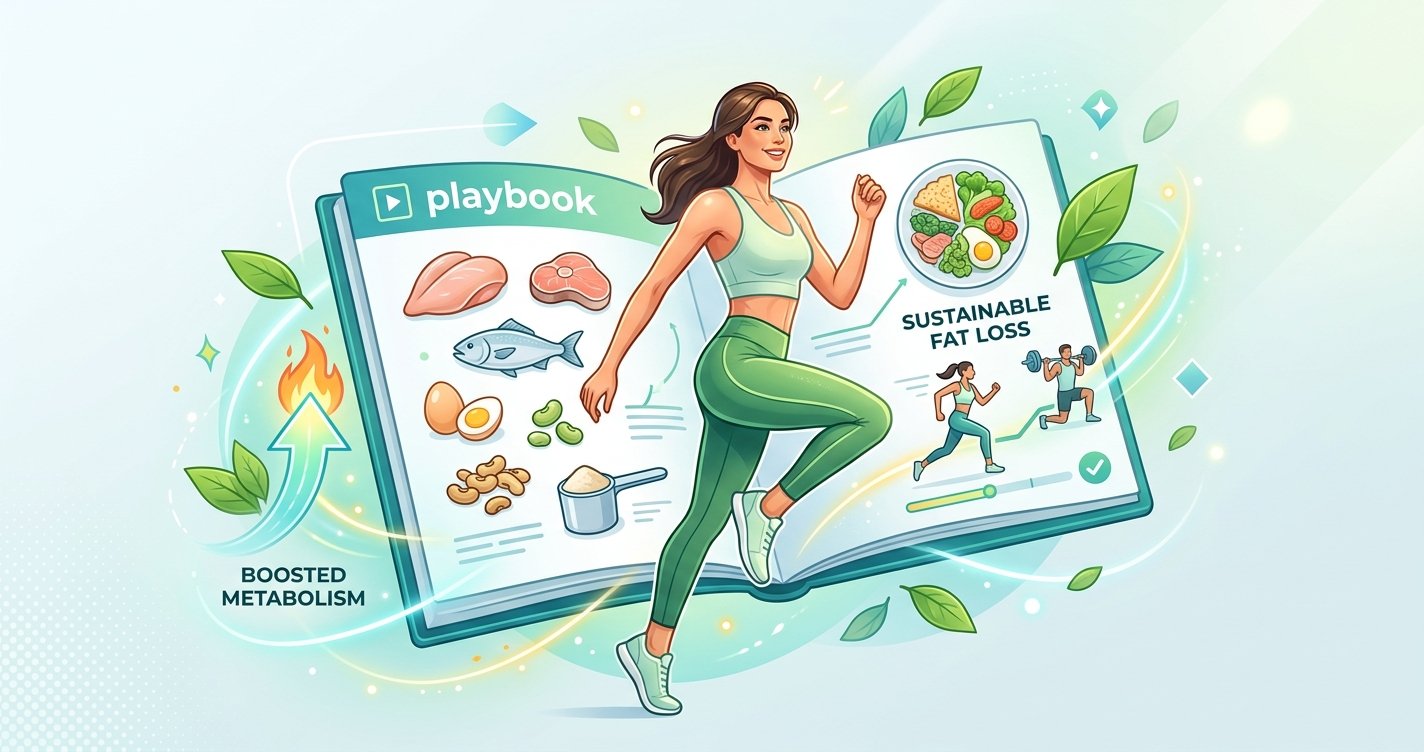
Tired of the Fat Loss Rollercoaster? Meet Your New Best Friend: Protein!
You’ve tried countless diets, endured gruelling workouts, and perhaps felt the familiar sting of disappointment when the scale didn’t budge – or worse, bounced right back up. What if we told you there’s a powerful, often overlooked macronutrient that can revolutionize your fat loss journey, making it more sustainable, less frustrating, and genuinely enjoyable? Enter protein, your unsung hero in the quest for a healthier, leaner you.
Forget extreme restrictions or fad diets. We’re diving deep into the science-backed power of protein, exploring how it can help you feel fuller, preserve muscle, and even boost your metabolism. This isn't just about losing weight; it's about building a stronger, more resilient body and fostering a healthier relationship with food. Ready to unlock the full potential of protein? Let’s get started! this excellent wellness product
Why Protein is Your Secret Weapon for Sustainable Fat Loss
Protein isn't just for bodybuilders; it's essential for everyone, especially when you're aiming for fat loss. Its unique properties make it a triple threat against unwanted body fat, working on multiple fronts to support your goals.
The Satiety Superstar: Feeling Fuller, Longer
One of protein's most celebrated benefits is its incredible ability to keep you feeling full and satisfied. When you consume protein, it influences the release of gut hormones like PYY and GLP-1, which signal fullness to your brain, while simultaneously reducing levels of ghrelin, the 'hunger hormone.' This means fewer cravings, less mindless snacking, and a significantly easier time adhering to a calorie deficit without feeling deprived.
Imagine going through your day without constant hunger pangs or the urge to raid the pantry. That’s the power of protein in action, making adherence to your nutritional plan a breeze rather than a battle.
The Thermic Effect: Burning More Calories Just By Eating
Every time you eat, your body expends energy to digest, absorb, and metabolize the nutrients. This is known as the Thermic Effect of Food (TEF). And guess what? Protein has the highest TEF of all macronutrients! While carbohydrates have a TEF of 5-10% and fats 0-3%, protein boasts a TEF of 20-30%.
What does this mean for you? For every 100 calories of protein you consume, your body burns 20-30 calories just to process it. While it might seem like a small number, these calories add up over the course of a day, a week, and months, contributing to your overall calorie expenditure and making fat loss more efficient without extra effort.
Muscle Preservation: Protecting Your Metabolic Engine
When you're in a calorie deficit, your body doesn't just burn fat; it can also start breaking down muscle tissue for energy. This is problematic because muscle is metabolically active – it burns more calories at rest than fat does. Losing muscle means a slower metabolism, making it harder to lose fat and easier to regain weight in the future.
A higher protein intake, especially when combined with strength training, provides the necessary amino acids to protect and even build muscle mass. By preserving your muscle, you keep your metabolism revving high, ensuring that a greater percentage of your weight loss comes from fat, not precious muscle.
How Much Protein Do You Really Need? Demystifying the Numbers
The age-old question! The amount of protein you need isn't a one-size-fits-all answer, but for fat loss, research suggests a higher intake than the standard recommended daily allowance.
For active individuals aiming for fat loss, a common recommendation is to consume between 1.6 to 2.2 grams of protein per kilogram of body weight (or 0.7 to 1 gram per pound of body weight). For example, if you weigh 70 kg (about 154 lbs), you'd be aiming for roughly 112-154 grams of protein per day.
Factors like your activity level, age, and individual goals can influence these numbers. If you're very active or engaging in intense strength training, you might benefit from the higher end of the spectrum. Don't get too caught up in perfect numbers initially; focus on consistent progress. Start by consciously increasing your protein intake at each meal and snack, and you'll likely see results.
Smart Protein Sources: Fueling Your Body Right
Variety is the spice of life, and it's also key to getting a full spectrum of nutrients. Luckily, there are countless delicious and healthy ways to incorporate more protein into your diet.
Lean Animal Proteins
- Chicken & Turkey Breast: Lean, versatile, and excellent sources of complete protein.
- Fish: Salmon, tuna, cod, and other fish not only provide high-quality protein but also essential omega-3 fatty acids, which are great for overall health.
- Lean Beef & Pork: Opt for leaner cuts like sirloin, tenderloin, or extra-lean ground options.
- Eggs: The incredible edible egg! A complete protein powerhouse, perfect for any meal.
- Dairy: Greek yogurt, cottage cheese, and milk are fantastic protein sources, often packed with calcium and probiotics.
Plant-Based Powerhouses
For our plant-based friends or those looking to diversify, there are abundant options:
- Legumes: Lentils, black beans, chickpeas, and kidney beans are rich in protein and fiber.
- Tofu & Tempeh: Versatile soy-based products that absorb flavors beautifully and offer a complete protein profile.
- Edamame: Perfect for snacking or adding to stir-fries.
- Quinoa: A complete protein grain that can be used as a side or in salads.
- Nuts & Seeds: Almonds, peanuts, chia seeds, hemp seeds, and flaxseeds offer protein, healthy fats, and fiber.
Protein Supplements: When and How?
While whole foods should always be your primary source of nutrition, protein supplements can be a convenient and effective way to meet your daily protein targets, especially if you have a busy lifestyle or specific dietary needs.
- Whey Protein: Fast-digesting, ideal for post-workout recovery.
- Casein Protein: Slow-digesting, excellent for sustained release, often taken before bed.
- Plant-Based Proteins: Pea, rice, hemp, or soy protein powders are great alternatives for vegans or those with dairy sensitivities.
Remember, supplements are designed to *supplement* your diet, not replace whole, nutrient-dense foods. Use them strategically to fill gaps or for convenience.
Integrating Protein Into Your Daily Routine: Practical Strategies
Knowing is one thing, doing is another! Here are actionable tips to seamlessly weave more protein into your daily life:
- Start Your Day Strong: Make breakfast a protein priority. Think scrambled eggs, Greek yogurt with berries, a protein smoothie, or cottage cheese. This sets you up for satiety and stable energy levels.
- Protein at Every Meal: Aim to include a palm-sized portion of protein (roughly 20-30 grams) in every main meal. This could be chicken with your lunch salad, fish with your dinner veggies, or tofu in your stir-fry.
- Smart Snacking: Ditch the sugary snacks and opt for protein-rich alternatives. Hard-boiled eggs, a handful of almonds, a serving of cottage cheese, or a protein bar can keep hunger at bay between meals.
- Plan Ahead (Meal Prep): Dedicate some time each week to prepare protein sources like grilled chicken, roasted chickpeas, or hard-boiled eggs. Having them ready makes healthy choices effortless during busy days.
- Prioritize Protein on Your Plate: When building a meal, think protein first. Once your protein source is chosen, then add your vegetables, healthy fats, and complex carbohydrates.
- Hydrate: Sometimes thirst can be mistaken for hunger. Ensure you're drinking enough water throughout the day, which also supports overall metabolism and digestion.
Beyond the Scale: The Holistic Benefits of Protein
While fat loss is a fantastic goal, the benefits of prioritizing protein extend far beyond the numbers on the scale. Embracing a higher protein intake contributes to your overall well-being in numerous ways:
- Improved Energy Levels: Protein provides sustained energy, preventing the crashes often associated with high-sugar, low-protein meals.
- Better Recovery: For those who exercise, protein is crucial for repairing and building muscle tissue, leading to faster recovery and reduced soreness.
- Stronger Hair, Skin, and Nails: Protein is a fundamental building block for these tissues, contributing to their health and vitality.
- Enhanced Immune Function: Antibodies, which are vital for fighting off infections, are made of protein. A robust protein intake supports a strong immune system.
- Overall Body Composition: By preserving muscle and reducing fat, you'll not only look better but also feel stronger, more capable, and more confident in your body.
Embrace the Power of Protein for a Healthier You!
You now have the knowledge and the tools to make protein your most valuable ally in your fat loss journey. It’s not about magic pills or extreme diets; it’s about understanding your body and fueling it intelligently with a macronutrient that genuinely works in your favor.
Remember, consistency is more important than perfection. Start small, make conscious choices to include more protein at each meal, and listen to your body. You’ll not only see the changes on the scale but also feel them in your energy levels, strength, and overall well-being. So, what are you waiting for? Start incorporating more protein today and feel the sustainable difference!