Why Protein Isn't Just for Bodybuilders – It's Your Fat Loss Ally!
When you embark on a fat loss journey, your mind might instantly jump to cutting carbs, slashing fats, or grueling cardio sessions. While these elements play their part, there's one powerful nutrient that often doesn't get the spotlight it deserves: protein. Far from being exclusive to elite athletes or gym enthusiasts, protein is your secret weapon for making fat loss not just effective, but also sustainable and enjoyable. It's about building a healthier you, not just a lighter number on the scale.
Imagine a fat loss strategy that helps you feel full, preserves your muscle, and even burns more calories just by digesting your food. Sounds pretty good, right? That's the magic of protein! In this friendly, evidence-based guide, we'll explore why prioritizing protein is a game-changer for anyone looking to shed unwanted fat, keep it off, and feel fantastic while doing it. Get ready to transform your approach to eating and unlock a more vibrant, energetic you. this excellent wellness product
The Science-Backed Benefits: How Protein Works Its Magic for Fat Loss
Protein isn't just a building block for muscles; it's a metabolic powerhouse that profoundly impacts your ability to lose fat. Understanding these mechanisms can empower you to make smarter dietary choices.
Satiety & Reduced Cravings: Stay Fuller, Longer
One of the biggest challenges in fat loss is battling hunger and cravings. This is where protein shines! Research consistently shows that protein is the most satiating macronutrient. When you eat protein, it triggers the release of hormones like GLP-1, PYY, and CCK, which signal to your brain that you're full, while simultaneously suppressing ghrelin, the 'hunger hormone'. This means fewer mid-afternoon snack attacks and a greater ability to stick to your calorie goals without feeling deprived.
Thermic Effect of Food (TEF): Burn More Calories Just by Eating!
Did you know your body expends energy just to digest, absorb, and metabolize the food you eat? This is known as the Thermic Effect of Food (TEF), and protein has the highest TEF of all macronutrients. While carbohydrates have a TEF of 5-10% and fats have 0-3%, protein boasts a TEF of 20-30%. This means that for every 100 calories of protein you consume, your body burns 20-30 calories just to process it. It's like a mini metabolic boost with every bite!
Muscle Preservation: Protect Your Metabolism
When you're in a calorie deficit to lose fat, your body can sometimes break down muscle tissue for energy, alongside fat. This is undesirable because muscle is metabolically active – it burns more calories at rest than fat does. A higher protein intake helps to signal your body to hold onto that precious muscle mass, ensuring that the weight you lose is predominantly fat, not muscle. Preserving muscle helps maintain a healthy metabolism, making long-term fat loss more sustainable.
How Much Protein Do You Really Need for Fat Loss?
The exact amount of protein needed can vary based on factors like your activity level, age, and lean body mass. However, for fat loss, the general recommendation is often higher than the standard dietary guidelines. A good starting point for many individuals aiming for fat loss, especially those who are active, is around 0.7 to 1.0 gram of protein per pound of desired body weight (or 1.6 to 2.2 grams per kilogram of body weight).
For example, if you weigh 150 pounds and are looking to maintain muscle while losing fat, aiming for 105-150 grams of protein per day would be a beneficial target. It might seem like a lot, but by strategically incorporating protein into each meal and snack, it's very achievable. Don't worry about hitting a precise number every single day; focus on consistency and making protein a priority.
Top Protein Sources: Fueling Your Body Smartly
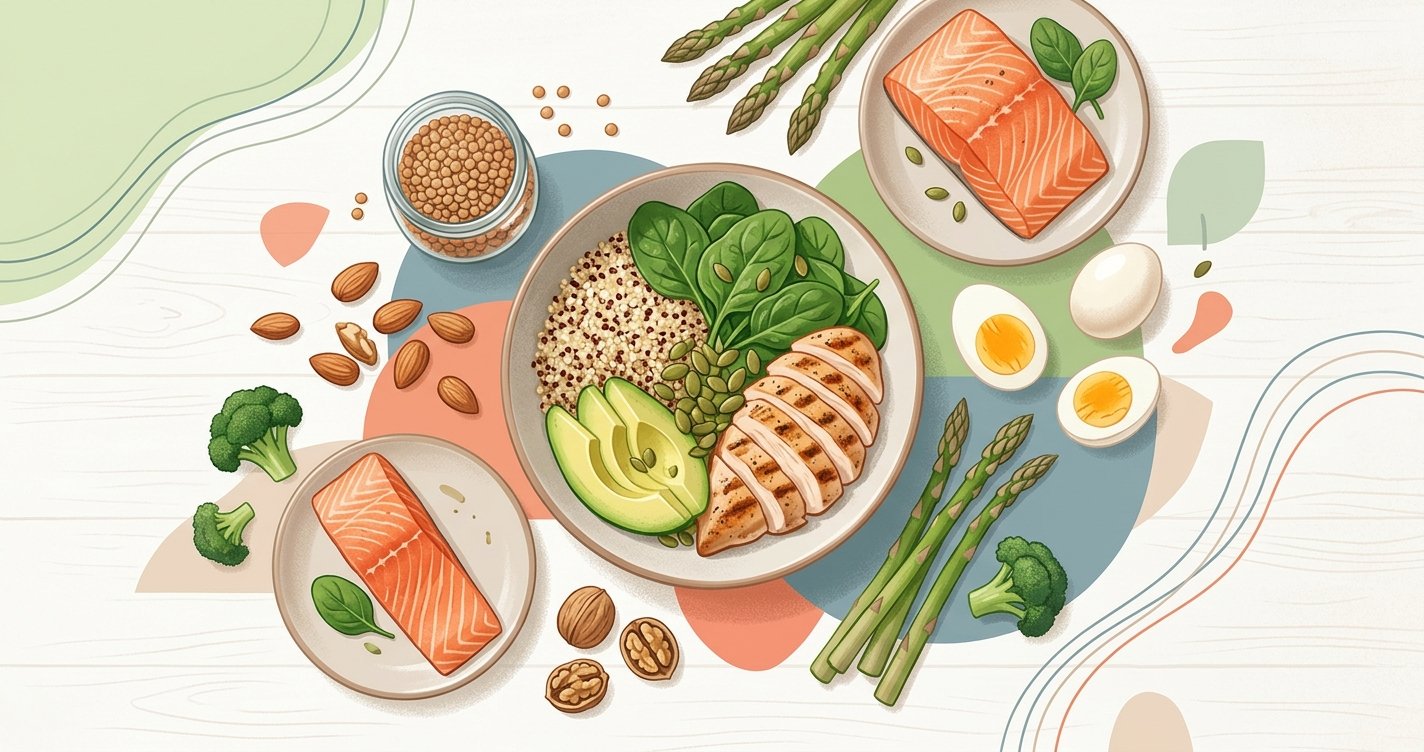
Incorporating more protein doesn't mean eating boring, bland food. There's a delicious variety of sources to choose from, catering to all dietary preferences. Focus on whole, minimally processed foods whenever possible.
- Lean Meats: Chicken breast, turkey, lean cuts of beef (sirloin, round), pork loin. These are excellent sources of complete protein.
- Fish & Seafood: Salmon, tuna, cod, shrimp. Salmon and other fatty fish also provide beneficial omega-3 fatty acids.
- Eggs: A complete protein source, versatile and affordable. Don't skip the yolk – it's packed with nutrients!
- Dairy: Greek yogurt, cottage cheese, milk, kefir. These are not only protein-rich but also provide calcium and probiotics.
- Legumes: Lentils, black beans, chickpeas, kidney beans. Great for plant-based diets, also rich in fiber.
- Soy Products: Tofu, tempeh, edamame. Versatile and can be incorporated into many dishes.
- Quinoa: A complete plant-based protein, perfect as a grain substitute.
- Nuts & Seeds: Almonds, peanuts, chia seeds, flax seeds, pumpkin seeds. Offer protein, healthy fats, and fiber.
- Protein Powders: Whey, casein, pea, soy, or rice protein can be a convenient way to boost your intake, especially post-workout or as a snack.
Practical Strategies: Making Protein a Priority in Your Daily Meals
Now that you know the 'why' and the 'what,' let's talk about the 'how.' Integrating more protein into your daily diet doesn't have to be complicated. Small, consistent changes can make a big difference.
- Start Your Day with Protein: Instead of sugary cereals or toast, opt for eggs, Greek yogurt with berries, a protein smoothie, or cottage cheese. This sets you up for sustained energy and reduces morning cravings.
- Make Protein the Centerpiece of Your Main Meals: When planning lunch and dinner, think about your protein source first. Build your meal around a generous serving of lean meat, fish, tofu, or legumes, then add vegetables and complex carbohydrates.
- Smart Snacking: Ditch the chips and cookies for protein-rich snacks. Hard-boiled eggs, a handful of almonds, a Greek yogurt, a small piece of cheese, or jerky can keep hunger at bay between meals.
- Plan Ahead (Meal Prep!): Dedicate some time each week to prepare protein sources like grilled chicken, hard-boiled eggs, or cooked lentils. Having these ready to go makes healthy eating much easier during busy weekdays.
- Even Distribution: Instead of consuming most of your protein in one large meal, try to spread your intake throughout the day. Aim for 20-40 grams of protein at each main meal to maximize muscle protein synthesis and satiety.
Beyond the Scale: The Holistic Benefits of a High-Protein Diet
While fat loss is a fantastic outcome, the benefits of a protein-rich diet extend far beyond what the scale shows. Embracing this way of eating can lead to a multitude of improvements in your overall health and well-being.
- Improved Body Composition: By preserving muscle and losing fat, you'll not only look leaner but also feel stronger and more toned. This positive change in how your body is made up is a true indicator of health.
- Better Energy Levels: Protein helps stabilize blood sugar, preventing the energy crashes often associated with high-carb, low-protein meals. You'll likely experience more consistent energy throughout your day.
- Enhanced Recovery: If you're incorporating exercise into your routine (which is highly recommended for fat loss!), adequate protein intake is crucial for muscle repair and recovery, helping you bounce back faster and stronger.
- Long-Term Sustainability: Unlike restrictive diets, a protein-focused approach is about nourishing your body and making satisfying choices. This makes it a sustainable lifestyle change you can maintain for the long haul, rather than a temporary fix.
Your Protein-Powered Path to a Healthier You
You've now got the playbook for harnessing the incredible power of protein for sustainable fat loss. It's clear that this essential nutrient is much more than just a muscle builder; it's a vital component for managing hunger, boosting your metabolism, and preserving lean muscle mass, all while helping you feel satisfied and energized.
Remember, fat loss is a journey, not a race. By making conscious choices to prioritize protein in your meals and snacks, you're not just aiming for a smaller number on the scale; you're building a stronger, healthier, and more vibrant version of yourself. Start small, be consistent, and enjoy the delicious benefits. Your body – and your fat loss goals – will thank you for it. You've got this!