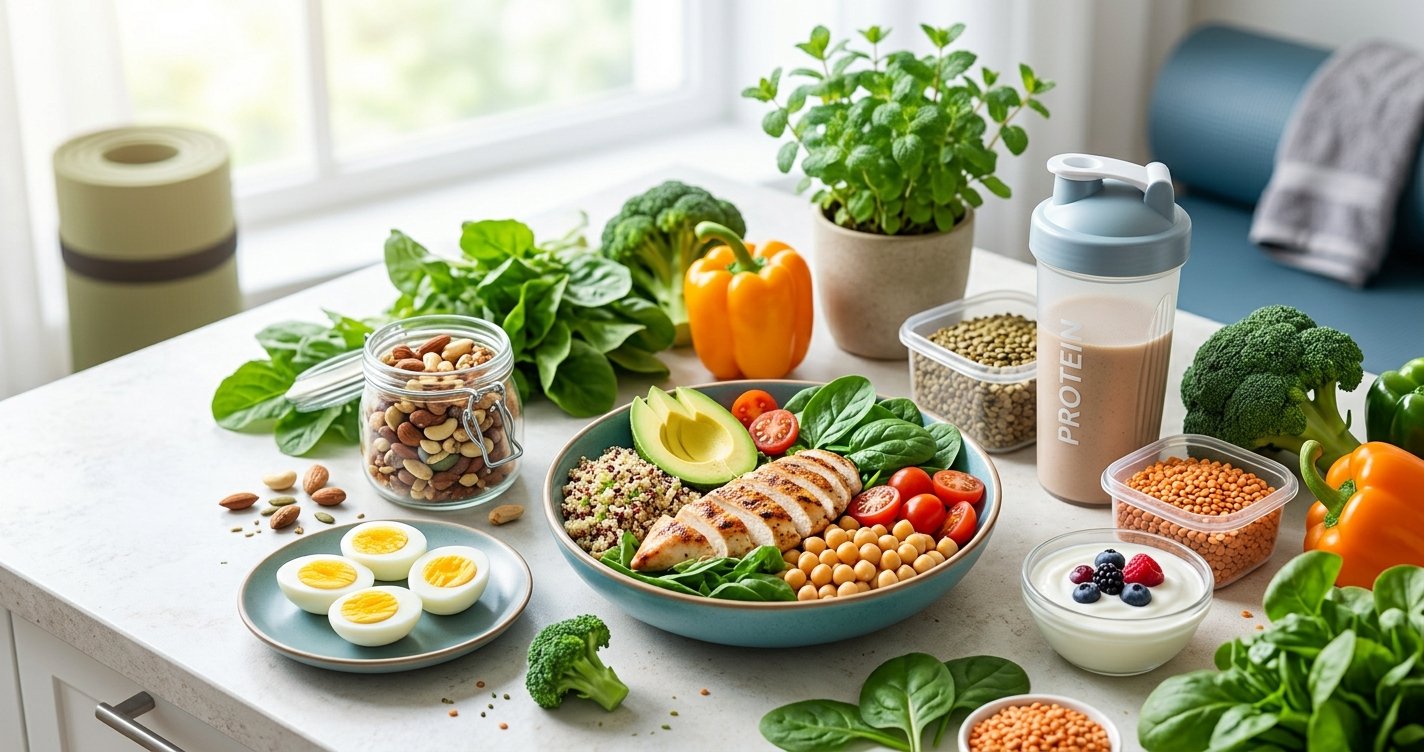
In the vast world of fat loss advice, it’s easy to get lost in the noise. From restrictive diets to extreme workouts, the journey can often feel overwhelming and unsustainable. But what if there was a simple, powerful, and scientifically proven strategy that could significantly boost your fat loss efforts, help you feel fuller, and protect your precious muscle? Enter protein – your ultimate ally in achieving a leaner, healthier you.
Often associated primarily with bodybuilders, protein is a macronutrient that plays a crucial, yet frequently underestimated, role in sustainable fat loss for everyone. It’s not just about building big muscles; it's about optimizing your metabolism, controlling your appetite, and ensuring your body burns fat, not muscle, when you're aiming to shed those extra pounds. Ready to unlock the full potential of protein? Let's dive into how this incredible nutrient can transform your fat loss journey. this excellent wellness product
Why Protein is Your Secret Weapon for Fat Loss
When it comes to losing fat, many people focus solely on cutting calories. While a calorie deficit is essential, how you achieve that deficit matters immensely. Protein offers unique advantages that make it an indispensable part of any successful fat loss strategy.
The Thermic Effect of Food (TEF): Burn More Calories Just By Eating!
Did you know that your body expends energy just to digest, absorb, and metabolize the food you eat? This is known as the Thermic Effect of Food (TEF), and protein has the highest TEF of all macronutrients. Approximately 20-30% of the calories from protein are used in this process, compared to 5-10% for carbohydrates and a mere 0-3% for fats. This means that for every 100 calories of protein you consume, your body uses 20-30 of those calories just to process it! Over the course of a day, this can add up to a significant number of extra calories burned, giving you a metabolic edge without even stepping foot in the gym.
Satiety & Appetite Control: Tame Those Cravings
One of the biggest challenges in fat loss is battling hunger and cravings. This is where protein truly shines. Protein is incredibly satiating, meaning it keeps you feeling fuller for longer compared to carbohydrates or fats. This isn't just a feeling; it's backed by science. Protein influences the release of gut hormones like PYY and GLP-1, which signal fullness to your brain, while simultaneously reducing levels of ghrelin, the 'hunger hormone'. By incorporating adequate protein into your meals, you're less likely to snack mindlessly or overeat at your next meal, making it much easier to stick to your calorie goals naturally and effortlessly.
Muscle Preservation: Protect Your Metabolism
When you're in a calorie deficit, your body can sometimes break down muscle tissue for energy, especially if you're not consuming enough protein. This is problematic because muscle is metabolically active – it burns more calories at rest than fat does. Losing muscle means a slower metabolism, which can make long-term fat loss more difficult and increase the likelihood of regaining lost weight. A high-protein intake, especially when combined with resistance training, helps your body preserve lean muscle mass while you're losing fat. This ensures that the weight you're losing is predominantly fat, keeping your metabolism humming and your body composition improving.
How Much Protein Do You Really Need for Fat Loss?
The standard recommended daily allowance (RDA) for protein is 0.8 grams per kilogram of body weight. However, for active individuals or those specifically aiming for fat loss, this amount is often insufficient to reap the full benefits. Research suggests that a higher protein intake is optimal for fat loss and muscle preservation.
For sustainable fat loss, a good target range is typically 1.6 to 2.2 grams of protein per kilogram of body weight (or 0.7 to 1.0 grams per pound of body weight). For example, a person weighing 70kg (approx. 154 lbs) would aim for roughly 112-154 grams of protein per day. If you're very active or have a significant amount of muscle to preserve, you might even lean towards the higher end of this range.
Don't be afraid of consuming 'too much' protein within this range. For healthy individuals, a higher protein intake is safe and beneficial for fat loss, satiety, and muscle maintenance.
Practical Strategies to Boost Your Protein Intake
Now that you understand the 'why,' let's get to the 'how.' Incorporating more protein into your daily diet doesn't have to be complicated. Here are some simple, actionable strategies:
Prioritize Protein at Every Meal
Make protein the star of your plate. Aim for 20-40 grams of protein at each main meal. This helps distribute your protein intake throughout the day, maximizing its benefits for satiety and muscle protein synthesis.
- Breakfast: Instead of sugary cereals, opt for scrambled eggs, Greek yogurt with berries, a protein smoothie, or cottage cheese.
- Lunch & Dinner: Include lean protein sources like chicken breast, turkey, fish (salmon, tuna, cod), lean beef, pork tenderloin, tofu, tempeh, or lentils.
Smart Snacking with Protein
When hunger strikes between meals, reach for protein-rich snacks instead of empty calories. This helps keep you full and prevents energy crashes.
- Hard-boiled eggs
- A handful of almonds or walnuts
- Greek yogurt
- Cottage cheese
- Edamame
- Beef jerky (check for low sugar options)
- Protein bars (choose wisely, look for low sugar, high protein)
Don't Forget Plant-Based Protein Sources
You don't need to be a meat-eater to hit your protein goals. The plant kingdom offers an abundance of protein-rich foods:
- Legumes: Lentils, chickpeas, black beans, kidney beans.
- Soy Products: Tofu, tempeh, edamame.
- Grains: Quinoa, oats.
- Nuts & Seeds: Almonds, peanuts, chia seeds, flax seeds, hemp seeds.
- Seitan: A wheat-based protein source.
Combining different plant proteins throughout the day (e.g., rice and beans) ensures you get a complete amino acid profile.
Consider Protein Supplements (When Appropriate)
While whole foods should always be your primary source of nutrition, protein supplements can be a convenient and effective way to meet your protein targets, especially if you have a busy lifestyle or specific dietary needs.
- Whey Protein: Fast-digesting, great post-workout.
- Casein Protein: Slow-digesting, good before bed.
- Plant-Based Proteins: Pea, rice, hemp, or blended plant proteins for those avoiding animal products.
Remember, supplements are meant to supplement your diet, not replace whole foods. They are a tool, not a magic bullet.
Common Protein Pitfalls to Avoid
Even with the best intentions, some common mistakes can hinder your protein-powered fat loss journey:
- Not Distributing Protein: Eating all your protein in one meal isn't as effective as spreading it out throughout the day for satiety and muscle synthesis.
- Over-relying on Supplements: While useful, don't let protein shakes replace nutrient-dense whole foods.
- Ignoring Overall Calorie Intake: Protein helps, but you still need to be in a calorie deficit for fat loss. High-protein foods can still be high-calorie (e.g., fatty cuts of meat).
- Not Tracking (Initially): If you're unsure about your current protein intake, tracking your food for a few days can give you valuable insight and help you adjust.
Beyond the Scale: The Holistic Benefits of Protein
While fat loss is a primary goal, the benefits of a higher protein intake extend far beyond the number on the scale. Protein is essential for:
- Improved Recovery: Helps repair and rebuild tissues after exercise.
- Stronger Hair, Skin, & Nails: These are primarily made of protein.
- Better Bone Health: Contributes to bone density.
- Enhanced Immunity: Antibodies are proteins.
- Sustained Energy Levels: Helps stabilize blood sugar.
By prioritizing protein, you're not just working towards a leaner body; you're investing in your overall health and well-being.
Start Your Protein Power-Up Today!
Embracing protein as a cornerstone of your fat loss strategy is one of the most effective and sustainable changes you can make. It empowers you to feel fuller, preserve muscle, burn more calories, and enjoy a host of other health benefits. It's a scientifically backed approach that works with your body, not against it, making your fat loss journey more manageable and enjoyable.
So, take a look at your next meal. Can you add an extra serving of lean protein? Can you swap a carb-heavy snack for a protein-rich option? Start small, be consistent, and watch as the power of protein helps you build a leaner, stronger, and more vibrant you. You've got this!