The Protein Power-Up: Your Ultimate Guide to Sustainable Fat Loss
Are you on a journey to shed some unwanted body fat, but feel like you're constantly battling hunger, cravings, or a sluggish metabolism? You're not alone! Many people focus solely on calorie restriction or endless cardio, often overlooking one of the most powerful allies in their fat loss arsenal: protein. It's not just for bodybuilders; protein is a nutritional superstar that can revolutionize your fat loss efforts, making the process more sustainable, enjoyable, and effective. Let's dive deep into why protein is your secret weapon and how you can harness its power.
Why Protein is Your Secret Weapon for Fat Loss
When it comes to losing fat, protein doesn't just play a supporting role; it's often the lead actor. It works through several key mechanisms that help you burn fat, preserve muscle, and feel great while doing it. Understanding these benefits can shift your perspective from viewing protein as just another macronutrient to recognizing it as an indispensable tool for achieving your body composition goals. this excellent wellness product
- Increased Satiety: Protein keeps you feeling fuller for longer, reducing overall calorie intake.
- Higher Thermic Effect: Your body burns more calories digesting protein compared to carbs or fats.
- Muscle Preservation: Essential for maintaining lean muscle mass, which is crucial for a healthy metabolism.
- Reduced Cravings: Helps stabilize blood sugar and minimize those pesky snack attacks.
The Satiety Factor: Feeling Fuller, Longer
One of the biggest challenges in any fat loss journey is managing hunger. If you're constantly feeling deprived, sticking to your plan becomes incredibly difficult. This is where protein truly shines! Protein is known for its incredible ability to promote satiety – that feeling of fullness and satisfaction after a meal. Studies consistently show that high-protein meals lead to greater fullness and reduced subsequent food intake compared to meals with lower protein content.
How does it work? Protein influences several hormones that regulate appetite, such as ghrelin (the hunger hormone) and GLP-1 (which promotes fullness). By keeping these hormones in check, protein helps you naturally eat less without feeling like you're constantly fighting your body's urges. Imagine being able to walk past that donut without a second glance because you're genuinely satisfied from your last meal. That's the power of protein!
Boost Your Metabolism: The Thermic Effect of Protein
Did you know that your body expends energy just to digest, absorb, and metabolize the food you eat? This is known as the Thermic Effect of Food (TEF), and it accounts for about 5-10% of your daily energy expenditure. Here's the exciting part: protein has a significantly higher TEF than carbohydrates or fats.
While fats require about 0-3% of their caloric content to digest and carbs around 5-10%, protein demands a whopping 20-30%! This means that for every 100 calories of protein you consume, your body uses 20-30 calories just to process it. Over the course of a day, this can add up to a substantial increase in calories burned, giving your metabolism a gentle, continuous boost. It's like a built-in calorie burner that works in your favor!
Muscle Matters: Preserving Lean Mass During Weight Loss
When you lose weight, you want to lose fat, not muscle. Unfortunately, without adequate protein intake and resistance training, some muscle loss is almost inevitable, especially during a calorie deficit. This is a problem because muscle is metabolically active tissue, meaning it burns more calories at rest than fat does. Losing muscle can slow down your metabolism, making it harder to lose fat and easier to regain weight in the future.
A higher protein intake is absolutely critical for preserving lean muscle mass while you're in a calorie deficit. Protein provides the amino acids your body needs to repair and build muscle tissue. When combined with strength training, consuming enough protein ensures that your body prioritizes burning fat for energy while holding onto your precious muscle. This leads to a more toned physique and a more robust metabolism in the long run.
How Much Protein Do You Really Need for Fat Loss?
The general recommended dietary allowance (RDA) for protein is 0.8 grams per kilogram of body weight, but this is merely the minimum to prevent deficiency, not necessarily optimal for fat loss or muscle preservation. For those actively trying to lose fat, current evidence-based recommendations suggest a higher intake.
Most experts recommend aiming for 1.6 to 2.2 grams of protein per kilogram of body weight per day. For example, if you weigh 70 kg (about 154 lbs), you'd be looking at consuming roughly 112-154 grams of protein daily. If you're very active or have a higher body fat percentage, you might even benefit from slightly higher amounts. Spreading this intake throughout the day, rather than consuming it all in one meal, is also beneficial for maximizing muscle protein synthesis and satiety.
Smart Protein Choices: Fueling Your Body Right
Now that you know how much protein you need, let's talk about where to get it. Focus on whole, unprocessed protein sources that also provide other essential nutrients. Variety is key!
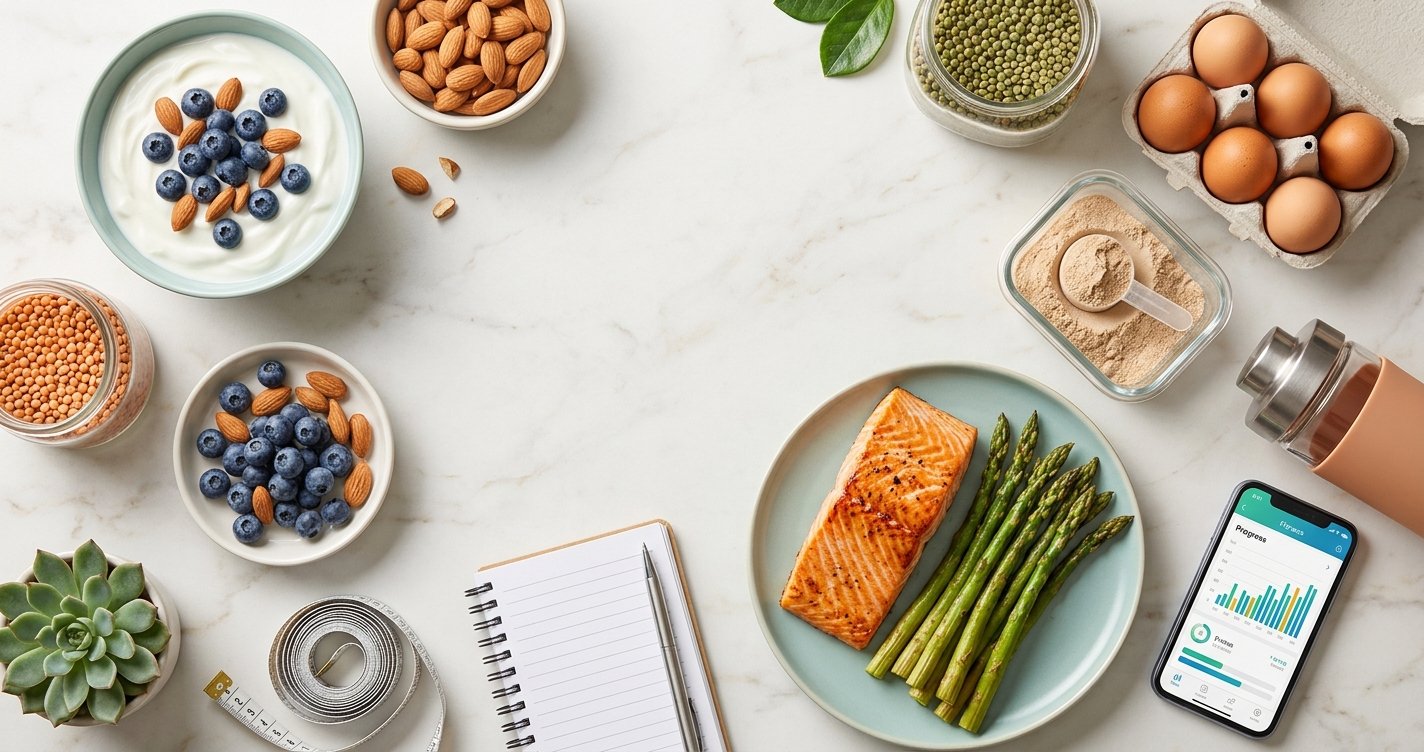
Excellent Protein Sources:
- Lean Meats: Chicken breast, turkey, lean beef (sirloin, round), pork loin.
- Fish & Seafood: Salmon, tuna, cod, shrimp, sardines.
- Eggs: A complete protein powerhouse, versatile and affordable.
- Dairy: Greek yogurt, cottage cheese, milk, whey protein powder.
- Legumes & Beans: Lentils, chickpeas, black beans (great for plant-based options).
- Plant-Based Proteins: Tofu, tempeh, edamame, quinoa, seitan, plant-based protein powders (pea, soy, rice).
While protein bars and shakes can be convenient, prioritize getting your protein from whole foods as much as possible. They often come with additional vitamins, minerals, and fiber that benefit overall health.
Practical Tips to Power Up Your Protein Intake
Incorporating more protein into your diet doesn't have to be complicated. Here are some actionable tips to help you reach your goals:
- Start Your Day with Protein: Swap sugary cereals for eggs, Greek yogurt, or a protein-rich smoothie. This sets you up for sustained energy and satiety.
- Include Protein at Every Meal: Aim for a significant protein source in breakfast, lunch, and dinner. Think chicken salad, lentil soup, or a piece of fish with your veggies.
- Smart Snacking: Instead of chips or cookies, opt for protein-packed snacks like a handful of almonds, cottage cheese, hard-boiled eggs, or a small protein shake.
- Meal Prep for Success: Cook larger batches of lean protein (chicken, ground turkey, lentils) at the beginning of the week to easily add to your meals.
- Read Labels: When buying packaged foods, check the protein content. Sometimes small swaps can make a big difference.
- Prioritize Protein First: When building your plate, think about your protein source first, then add vegetables, and finally healthy carbs and fats.
Embrace the Protein Power-Up for Lasting Results
Fat loss doesn't have to be a constant struggle against hunger and deprivation. By strategically increasing your protein intake, you're not just counting calories; you're leveraging your body's natural mechanisms to feel fuller, boost your metabolism, and preserve muscle. This approach makes your fat loss journey more effective, more sustainable, and ultimately, more enjoyable.
It's time to stop underestimating the power of protein. Start making conscious choices to include more of this incredible macronutrient in your daily diet, and watch as you transform your body and your relationship with food. Your fat loss goals are within reach, and protein is here to help you power up and achieve them!