Tired of Yo-Yo Diets? Discover Your Secret Weapon for Sustainable Fat Loss!
Are you on a quest for sustainable fat loss, but feel like you're constantly battling hunger pangs, energy slumps, and frustrating plateaus? You're not alone. Many traditional diets leave us feeling deprived and exhausted, making long-term success seem impossible. But what if there was one powerful macronutrient that could revolutionize your journey, helping you feel fuller, boost your metabolism, and preserve the muscle that keeps you strong and healthy? Enter protein – your ultimate ally in the fight against fat.
Often associated with bodybuilders and athletes, protein's incredible benefits for everyday fat loss are frequently overlooked. It’s not just about building big muscles; it's about optimizing your body's natural processes to burn fat more efficiently, manage your appetite effectively, and maintain your vitality. In this friendly, evidence-based guide, we're diving deep into the science-backed reasons why prioritizing protein is a game-changer for anyone looking to achieve lasting fat loss and feel fantastic. this excellent wellness product
Why Protein is Your Secret Weapon for Fat Loss
When it comes to shedding unwanted body fat, the conversation often revolves around calorie restriction. While a calorie deficit is indeed necessary, how you achieve that deficit and what you eat within it makes all the difference. This is where protein shines. Unlike carbohydrates and fats, protein plays a unique and multifaceted role in your body that directly supports your fat loss goals. It’s not just a nutrient; it’s a strategic advantage.
The Satiety Superstar: Feeling Full, Longer
One of the biggest hurdles in any fat loss journey is managing hunger and cravings. This is precisely where protein steps in as a true hero. Protein has a remarkable ability to keep you feeling full and satisfied for longer periods compared to carbohydrates or fats. This isn't just anecdotal; it's backed by science.
- Hormonal Harmony: Protein influences the release of satiety hormones like peptide YY (PYY) and glucagon-like peptide-1 (GLP-1), which signal to your brain that you're full. Simultaneously, it helps suppress ghrelin, the 'hunger hormone,' reducing those nagging urges to snack.
- Reduced Cravings: By keeping hunger at bay, a higher protein intake naturally leads to fewer cravings for unhealthy snacks and less mindless eating throughout the day. This makes sticking to your calorie goals much easier and more enjoyable.
Imagine going from meal to meal feeling comfortably satisfied instead of constantly thinking about your next bite. That's the power of protein at work, making your fat loss journey feel less like a battle and more like a sustainable lifestyle change.
Fueling Your Metabolism: The Thermic Effect of Food (TEF)
Did you know your body actually burns calories just to digest, absorb, and process the food you eat? This phenomenon is called the Thermic Effect of Food (TEF), and protein has the highest TEF of all macronutrients.
- More Calories Burned: Approximately 20-30% of the calories you consume from protein are used up in the digestion process itself. Compare this to carbohydrates (5-10%) and fats (0-3%). This means that for every 100 calories of protein you eat, your body uses 20-30 of those calories just to process it.
- A Metabolic Boost: This 'bonus' calorie burn contributes to a higher overall daily energy expenditure, subtly yet significantly helping you maintain a calorie deficit without feeling like you're starving yourself. It's like having a tiny internal furnace working harder for you, simply by choosing protein-rich foods.
By prioritizing protein, you're not just nourishing your body; you're actively stoking your metabolic fire, making your fat loss efforts more efficient and effective.
Protecting Your Hard-Earned Muscle (and Boosting Your Metabolism!)
When you're in a calorie deficit to lose fat, your body can sometimes turn to muscle tissue for energy, especially if protein intake is insufficient. This is a problem because muscle is metabolically active – it burns more calories at rest than fat does. Losing muscle can slow down your metabolism, making fat loss harder and increasing the likelihood of weight regain.
- Muscle Preservation: Adequate protein intake is crucial for preserving lean muscle mass during fat loss. Protein provides the amino acids your body needs to repair and build muscle, ensuring that the weight you're losing is primarily fat, not valuable muscle tissue.
- Sustained Metabolism: By maintaining your muscle mass, you keep your metabolism revving. This means you'll burn more calories even when you're resting, which is vital for long-term fat loss success and preventing that frustrating 'yo-yo' effect.
Think of it this way: muscle is your metabolism's best friend. By feeding your muscles the protein they need, you're investing in a more efficient, fat-burning machine.
How Much Protein Do You Really Need for Fat Loss?
While protein is undeniably powerful, the age-old question remains: how much is enough? General dietary guidelines often suggest a lower protein intake, but for active individuals or those specifically aiming for fat loss, higher amounts are often more beneficial.
- General Recommendations: A good starting point for fat loss is typically around 0.7 to 1 gram of protein per pound of your ideal body weight (or 1.6 to 2.2 grams per kilogram). For example, if your ideal body weight is 150 pounds, aiming for 105-150 grams of protein per day would be a solid target.
- Individual Needs: This range can vary based on your activity level, age, and personal preferences. If you're very active or engaging in strength training, you might benefit from the higher end of the spectrum. Listen to your body and adjust as needed.
- Spread It Out: Rather than consuming a huge amount of protein in one meal, aim to distribute your protein intake throughout the day. Try to include 20-40 grams of protein at each main meal and in your snacks to maximize satiety and muscle protein synthesis.
Don't get too bogged down by precise numbers initially. The goal is to consciously increase your protein intake from where it currently is, making it a priority in your meal planning.
Smart Protein Choices: Beyond Chicken Breast
Variety is the spice of life, and it's also key to a sustainable, enjoyable high-protein diet. While chicken breast is a fantastic source, there's a whole world of delicious protein-rich foods to explore!
Excellent Animal-Based Sources:
- Lean Meats: Chicken breast, turkey, lean beef (sirloin, round), pork loin.
- Fish & Seafood: Salmon, tuna, cod, shrimp, sardines. Rich in omega-3s too!
- Eggs: A complete protein, versatile, and affordable.
- Dairy: Greek yogurt, cottage cheese, milk, whey protein powder.
Fantastic Plant-Based Sources:
- Legumes: Lentils, chickpeas, black beans, kidney beans.
- Soy Products: Tofu, tempeh, edamame.
- Grains: Quinoa, oats (in moderation, they also have carbs).
- Nuts & Seeds: Almonds, peanuts, chia seeds, flax seeds, hemp seeds (good for snacks or additions).
- Plant-Based Protein Powders: Pea, rice, hemp protein can be great for boosting intake.
Mixing and matching these sources will ensure you get a broad spectrum of essential amino acids and other vital nutrients.
Practical Tips to Power Up Your Protein Intake
Ready to put this knowledge into action? Here are some simple, actionable strategies to boost your protein intake without feeling overwhelmed:
- Start Your Day Strong: Make breakfast a protein powerhouse. Think eggs, Greek yogurt with berries, a protein smoothie, or cottage cheese. This sets you up for sustained energy and satiety.
- Plan Meals Around Protein: Instead of building your meal around a carb source, choose your protein first. Then add vegetables and healthy fats, with carbs as a secondary component.
- Smart Snacking: Ditch the sugary snacks and opt for protein-rich alternatives like a handful of almonds, a hard-boiled egg, a small container of Greek yogurt, cheese sticks, or a protein bar.
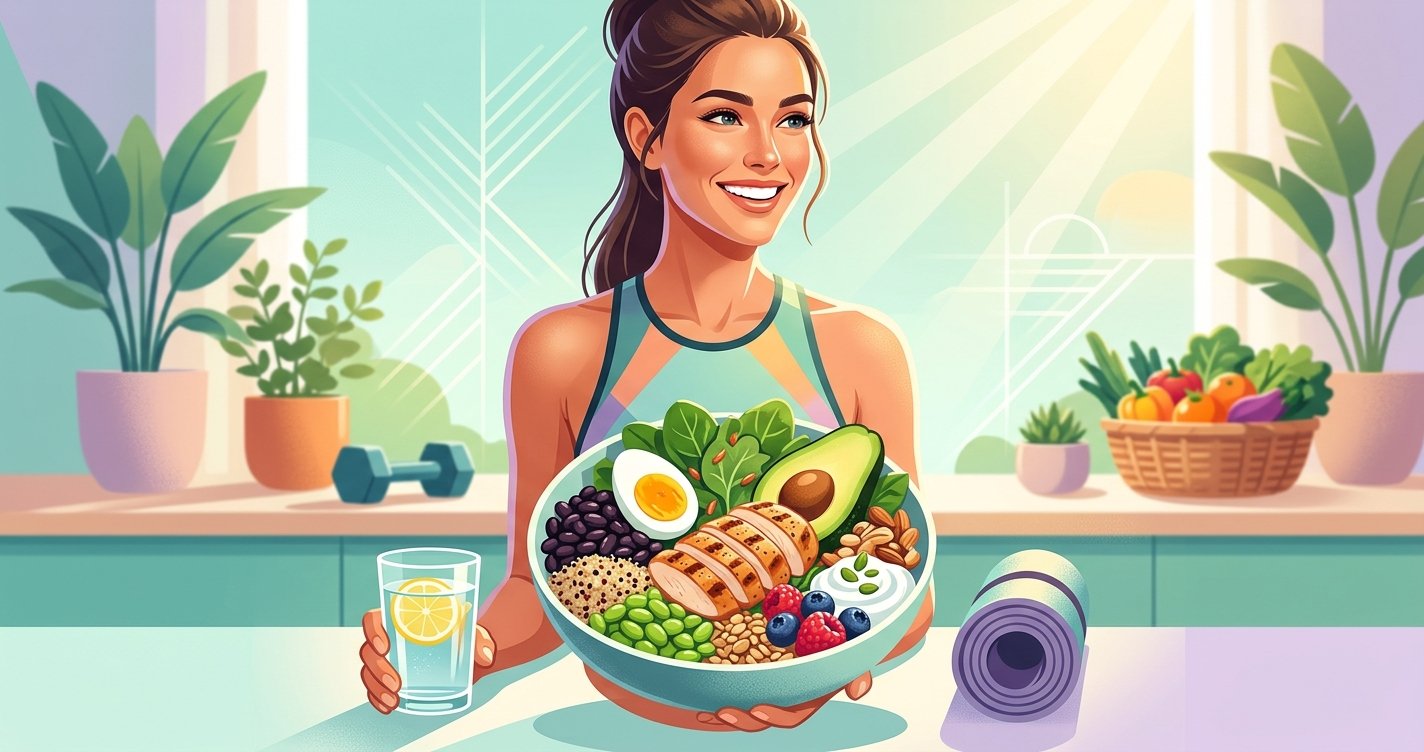
- Boost Your Bowls: Add grilled chicken, chickpeas, lentils, or tofu to your salads, soups, and stir-fries.
- Don't Forget Liquids: A quick protein shake (whey, casein, or plant-based) can be an excellent way to supplement your intake, especially post-workout or when you're short on time.
- Read Labels: Get into the habit of checking the protein content on food labels to make informed choices.
Small, consistent changes add up to big results. You don't need to overhaul your entire diet overnight. Start by incorporating one or two of these tips into your daily routine and build from there.
Embrace the Protein Power-Up for Lasting Results!
Embarking on a fat loss journey can feel daunting, but with the right tools and knowledge, it becomes an empowering path towards a healthier, more vibrant you. Prioritizing protein is not just another fad diet; it's an evidence-based, sustainable strategy that works with your body, not against it.
By harnessing protein's incredible ability to keep you full, boost your metabolism, and preserve your precious muscle mass, you're setting yourself up for success that extends far beyond the number on the scale. You'll likely experience more stable energy levels, fewer cravings, and a greater sense of well-being, all while making consistent progress towards your fat loss goals.
So, take a deep breath, choose your favorite protein sources, and start making those small, powerful changes today. Your body will thank you, and you'll discover the true joy of feeling strong, satisfied, and in control of your health journey. Here's to unlocking your protein power-up and feeling your absolute best!