The Protein Power-Up: Unlock Sustainable Fat Loss & Boost Your Metabolism
Are you on a fat loss journey that feels like an uphill battle? Do you meticulously count calories, hit the gym, yet still struggle to see lasting results? You're not alone. Many people overlook a crucial ally in their quest for a leaner, healthier body: protein. It's more than just a nutrient for bodybuilders; protein is your secret weapon for sustainable fat loss, appetite control, and a revved-up metabolism.
In this friendly, evidence-based guide, we’re diving deep into why protein is an absolute game-changer for anyone serious about shedding fat and keeping it off. Get ready to discover how to harness the power of protein to transform your body and your relationship with food. this excellent wellness product
Why Protein is Your Fat Loss MVP (Most Valuable Player)
Protein isn't just about building biceps; it plays several critical roles that directly impact your ability to lose fat effectively and sustainably. Think of it as your multi-talented teammate in the fat loss game.
Satiety & Appetite Control: The Hunger Buster
One of the biggest hurdles in fat loss is dealing with hunger and cravings. Protein is renowned for its ability to increase satiety – that feeling of fullness and satisfaction after a meal. Studies consistently show that high-protein meals keep you feeling fuller for longer compared to meals rich in fats or carbohydrates alone. This means less snacking, fewer cravings, and an easier time sticking to a calorie deficit without feeling deprived. Imagine going through your day feeling more satisfied, less tempted, and in control of your eating choices!
The Thermic Effect of Food (TEF): Burn More Calories Just By Eating
Did you know your body expends energy just to digest, absorb, and metabolize the food you eat? This is known as the Thermic Effect of Food (TEF). And guess what? Protein has the highest TEF of all macronutrients. Approximately 20-30% of the calories from protein are burned off during its digestion and metabolism, compared to 5-10% for carbohydrates and 0-3% for fats. This means that by simply increasing your protein intake, you're giving your metabolism a small, consistent boost throughout the day, helping you burn more calories effortlessly.
Muscle Preservation: Protecting Your Metabolism
When you're in a calorie deficit to lose fat, your body can sometimes break down muscle tissue for energy, not just fat. This is bad news for your metabolism, as muscle is metabolically active – it burns more calories at rest than fat does. Adequate protein intake is crucial for preserving lean muscle mass during fat loss. By providing your body with the building blocks it needs, protein helps protect your hard-earned muscle, ensuring that the weight you lose is primarily fat, not muscle. This keeps your metabolism humming along, making long-term weight management much easier.
How Much Protein Do You Really Need for Fat Loss?
While the general recommended dietary allowance (RDA) for protein is 0.8 grams per kilogram of body weight, this is often the minimum to prevent deficiency, not necessarily optimal for fat loss or active individuals. For fat loss, research suggests a significantly higher intake can be beneficial.
- Evidence-Based Guidelines: Many experts recommend aiming for 1.6 to 2.2 grams of protein per kilogram of body weight (or 0.7 to 1.0 grams per pound of body weight) daily when in a calorie deficit for fat loss. For a person weighing 150 lbs (approx. 68 kg), this would translate to about 105-150 grams of protein per day.
- Individual Factors: Your optimal protein intake can vary based on your activity level, age, current body composition, and specific goals. Highly active individuals, those engaging in strength training, and older adults may benefit from the higher end of this range to support muscle synthesis and preservation.
Don't get too bogged down by exact numbers initially. The key is to consciously increase your protein intake beyond what you might currently be eating and observe how your body responds.
Practical Strategies to Power Up Your Protein Intake
Integrating more protein into your diet doesn't have to be complicated or expensive. Here are some simple, actionable strategies:
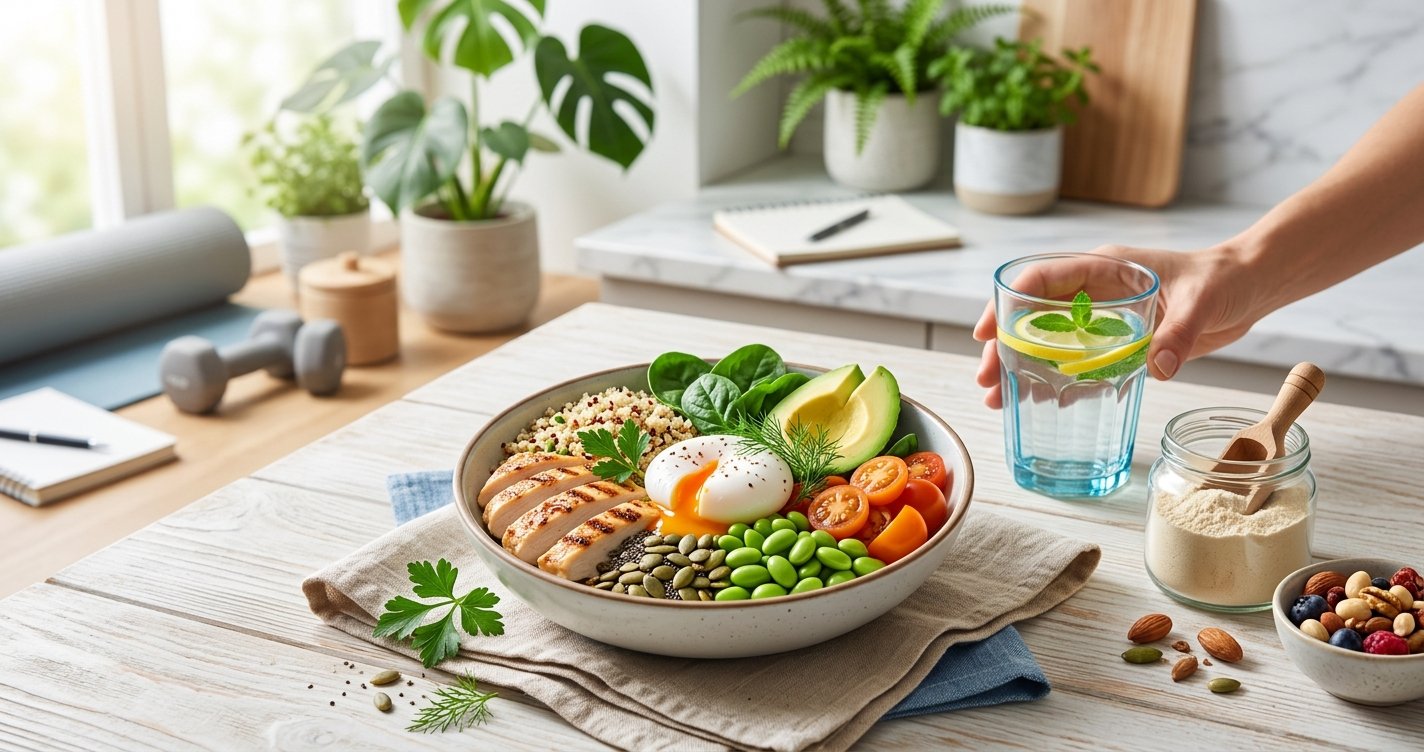
- Prioritize Whole Food Sources: Focus on lean meats (chicken breast, turkey, lean beef), fish (salmon, tuna, cod), eggs, dairy products (Greek yogurt, cottage cheese, milk), and plant-based options (lentils, beans, chickpeas, tofu, tempeh, edamame). These foods offer a complete spectrum of essential amino acids and other vital nutrients.
- Spread It Out: Protein at Every Meal: Instead of front-loading your protein at dinner, aim to include a good source of protein in every meal and snack. This helps maintain satiety throughout the day and provides a steady supply of amino acids for muscle repair and growth. Think eggs or Greek yogurt for breakfast, chicken salad for lunch, and fish for dinner.
- Smart Snacking: Ditch the sugary, carb-heavy snacks. Opt for protein-packed alternatives like a handful of almonds, a hard-boiled egg, a small container of cottage cheese, a protein bar (check ingredients!), or some beef jerky.
- Consider Supplements (Wisely!): While whole foods should always be your primary source, protein powders (whey, casein, soy, pea, rice) can be a convenient and effective way to boost your intake, especially post-workout or when you're short on time. They are supplements, though, not meal replacements, so use them to complement your diet.
Beyond Protein: A Holistic Approach for Lasting Results
While protein is a powerful tool, it's part of a larger ecosystem for successful fat loss. For truly lasting results, consider these other pillars:
- Calorie Deficit: The Non-Negotiable Foundation: Regardless of your protein intake, you still need to consume fewer calories than you burn to lose fat. Protein makes achieving and sustaining this deficit much easier due to its satiating effects and TEF.
- Strength Training: Your Muscle-Building Ally: Combining a high-protein diet with regular strength training is the ultimate duo for fat loss. Strength training stimulates muscle protein synthesis, helping you build or maintain muscle mass while losing fat, further boosting your metabolism. Aim for 2-4 sessions per week.
- Hydration, Sleep & Stress: The Unsung Heroes: Don't underestimate the impact of these factors. Adequate water intake supports metabolism and can help with satiety. Quality sleep (7-9 hours) regulates hunger hormones and improves recovery. Managing stress reduces cortisol, a hormone linked to belly fat storage.
Debunking Common Protein Myths
There's a lot of misinformation out there about protein. Let's clear up a couple of common myths:
"Too Much Protein Harms Your Kidneys"
For healthy individuals with normal kidney function, there is no scientific evidence to suggest that a high-protein diet causes kidney damage. This myth often stems from the fact that people with pre-existing kidney disease need to monitor their protein intake. However, for the general population, a higher protein intake is generally safe and beneficial.
"Protein Makes Women 'Bulky'"
This is a pervasive myth, particularly among women. Building significant muscle mass requires a very specific training regimen, often accompanied by a caloric surplus, and generally requires high levels of testosterone, which women naturally have in much lower amounts than men. Eating more protein will primarily support lean muscle development, improve body composition, and aid fat loss, leading to a toned and strong physique, not an overly bulky one.
Your Journey Starts Now: Embrace the Protein Power-Up
Prioritizing protein is one of the most effective and sustainable strategies you can adopt for fat loss. It helps you feel fuller, boosts your metabolism, and protects your precious muscle mass, all of which contribute to a healthier, leaner you. Remember, fat loss is a journey of consistency and smart choices, not just deprivation.
So, why wait? Start by consciously adding a quality protein source to every meal. Experiment with new recipes, find your favorite protein-rich snacks, and watch as your body transforms. Empower yourself with the protein power-up, and unlock the sustainable fat loss you've been striving for!
Disclaimer: Always consult with a healthcare professional or registered dietitian before making significant changes to your diet, especially if you have any underlying health conditions.