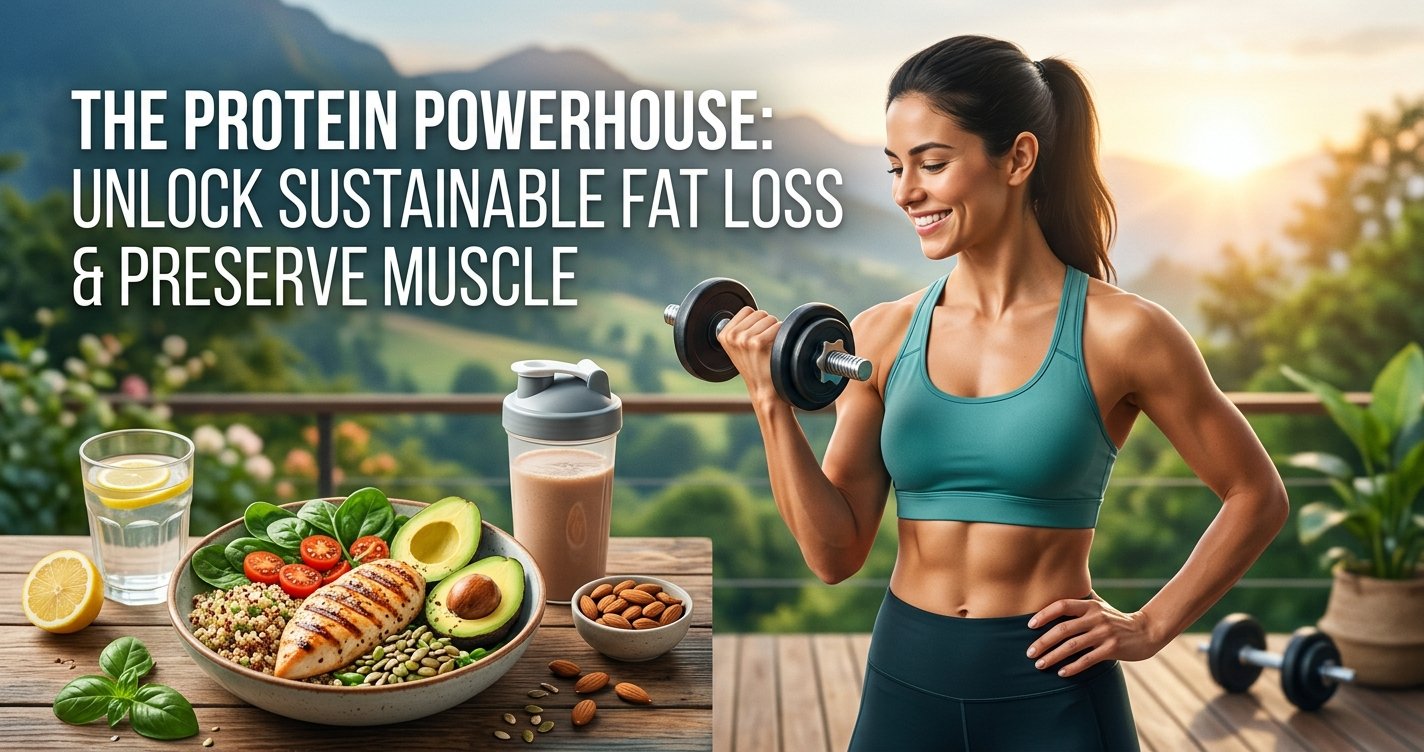
Tired of yo-yo dieting and feeling constantly hungry? Discover how prioritizing protein can be your secret weapon for lasting fat loss and a leaner, stronger you!
In the vast, often confusing world of fat loss, countless diets and strategies promise quick fixes. But what if one simple, yet incredibly powerful, nutrient held the key to not just losing weight, but truly transforming your body in a sustainable way? We're talking about protein – and it's far more than just for bodybuilders.
Forget restrictive eating plans that leave you ravenous and depleted. This isn't about deprivation; it's about smart, evidence-based nutrition that fuels your body, keeps you satisfied, and helps you achieve your fat loss goals while preserving precious muscle. Let's dive into why protein is your ultimate ally in the journey to a healthier, leaner you. this excellent wellness product
Why Protein is Your Fat Loss MVP (Most Valuable Player)
Protein isn't just a building block for muscles; it plays several critical roles that directly impact your ability to lose fat effectively and keep it off. Think of it as your body's most versatile utility player, excelling in multiple positions.
1. Satiety & Hunger Control: The Fullness Factor
One of protein's most celebrated benefits is its remarkable ability to make you feel full and satisfied for longer. This isn't just a feeling; it's backed by science. Protein impacts several hormones that regulate appetite, such as ghrelin (the hunger hormone) and GLP-1 and CCK (satiety hormones). When you eat protein, these satiety signals kick in, helping to reduce cravings and prevent overeating. This means fewer trips to the snack cupboard and less mental willpower needed to stick to your plan.
2. Thermogenesis (The “Metabolic Burn”): Working Harder to Digest
Ever heard of the 'thermic effect of food' (TEF)? This is the energy your body expends to digest, absorb, and metabolize the nutrients from your meals. Protein has a significantly higher TEF compared to carbohydrates and fats. While fats require very little energy to process, and carbs are somewhere in the middle, protein can burn anywhere from 20-30% of its caloric content just in digestion alone! This means that a diet rich in protein essentially gives your metabolism a slight, consistent boost throughout the day, helping you burn more calories without even trying.
3. Muscle Preservation: Protecting Your Metabolic Engine
When you're in a calorie deficit (eating fewer calories than you burn) to lose fat, your body can sometimes break down muscle tissue for energy, especially if protein intake is low. This is a problem because muscle is metabolically active – it burns more calories at rest than fat tissue does. Losing muscle can slow down your metabolism, making further fat loss harder and increasing the likelihood of regaining weight. Adequate protein intake provides the necessary amino acids to help your body maintain and even build muscle, ensuring that the weight you lose is primarily fat, not muscle.
How Much Protein Do You Really Need? (The Goldilocks Zone)
So, if protein is so fantastic, how much should you be aiming for? The exact amount can vary based on factors like your activity level, age, and current body composition, but general guidelines exist.
- For general health: The Recommended Dietary Allowance (RDA) is 0.8 grams of protein per kilogram of body weight. However, this is just a baseline to prevent deficiency, not necessarily optimal for fat loss or muscle preservation.
- For fat loss and muscle preservation: Most experts recommend aiming for 1.6 to 2.2 grams of protein per kilogram of body weight per day. For someone who is very active or significantly overweight, this might even go slightly higher.
- Example: If you weigh 70 kg (about 154 lbs), you'd aim for roughly 112 to 154 grams of protein daily.
It's also beneficial to distribute your protein intake throughout the day, aiming for 20-40 grams per meal, rather than consuming most of it in one sitting. This helps maximize muscle protein synthesis and satiety.
Smart Protein Choices: Fueling Your Body Right
Not all protein sources are created equal. Opt for lean, whole-food sources to get the most nutritional bang for your buck.
- Lean Animal Sources: Chicken breast, turkey, lean beef, pork tenderloin, fish (salmon, cod, tuna), eggs, Greek yogurt, cottage cheese, milk.
- Plant-Based Sources: Lentils, beans, chickpeas, tofu, tempeh, edamame, quinoa, seitan, nuts, seeds (chia, flax, hemp), protein-rich vegetables (broccoli, spinach).
- Protein Supplements: While whole foods should always be your primary source, protein powders (whey, casein, soy, pea, rice) can be convenient for boosting intake, especially post-workout or when you're on the go.
Making Protein a Priority: Practical Tips & Meal Ideas
Integrating more protein into your diet doesn't have to be complicated. Here are some simple, actionable tips:
- Start Your Day Strong: Make breakfast a protein powerhouse. Think Greek yogurt with berries, scrambled eggs with spinach, or a protein smoothie.
- Snack Smart: Instead of chips or cookies, grab a handful of almonds, a hard-boiled egg, cottage cheese, or a protein bar.
- Build Meals Around Protein: When planning lunch or dinner, choose your protein source first (e.g., chicken, fish, lentils), then add vegetables and complex carbohydrates.
- Meal Prep for Success: Cook larger batches of lean protein (grilled chicken, roasted chickpeas) at the beginning of the week to easily add to meals.
- Read Labels: Pay attention to the protein content on food labels, especially for packaged goods.
- Hydration: Sometimes thirst can be mistaken for hunger. Ensure you're drinking enough water throughout the day.
Beyond the Plate: Protein in Context
While protein is a superstar, it's important to remember it's one part of a larger, healthy lifestyle. Sustainable fat loss also relies on:
- A Consistent Calorie Deficit: Even with high protein, you still need to consume fewer calories than you burn to lose fat.
- Strength Training: Lifting weights is crucial for preserving and building muscle, which works synergistically with protein intake.
- Adequate Sleep: Poor sleep can disrupt hunger hormones and make fat loss challenging.
- Stress Management: Chronic stress can lead to increased cortisol, which can hinder fat loss.
- Hydration: Drinking plenty of water supports metabolism and satiety.
Your Journey to a Leaner, Stronger You Starts Now!
Embracing the power of protein isn't about following another restrictive diet; it's about making smart, sustainable choices that nourish your body and support your goals. By prioritizing protein, you're not just aiming for weight loss; you're investing in better satiety, a more efficient metabolism, and the preservation of muscle that will keep you strong and energized for years to come.
So, are you ready to unlock your fat loss potential and feel truly satisfied? Start by evaluating your current protein intake, making small, consistent changes, and observing the incredible difference it makes. Your body will thank you!