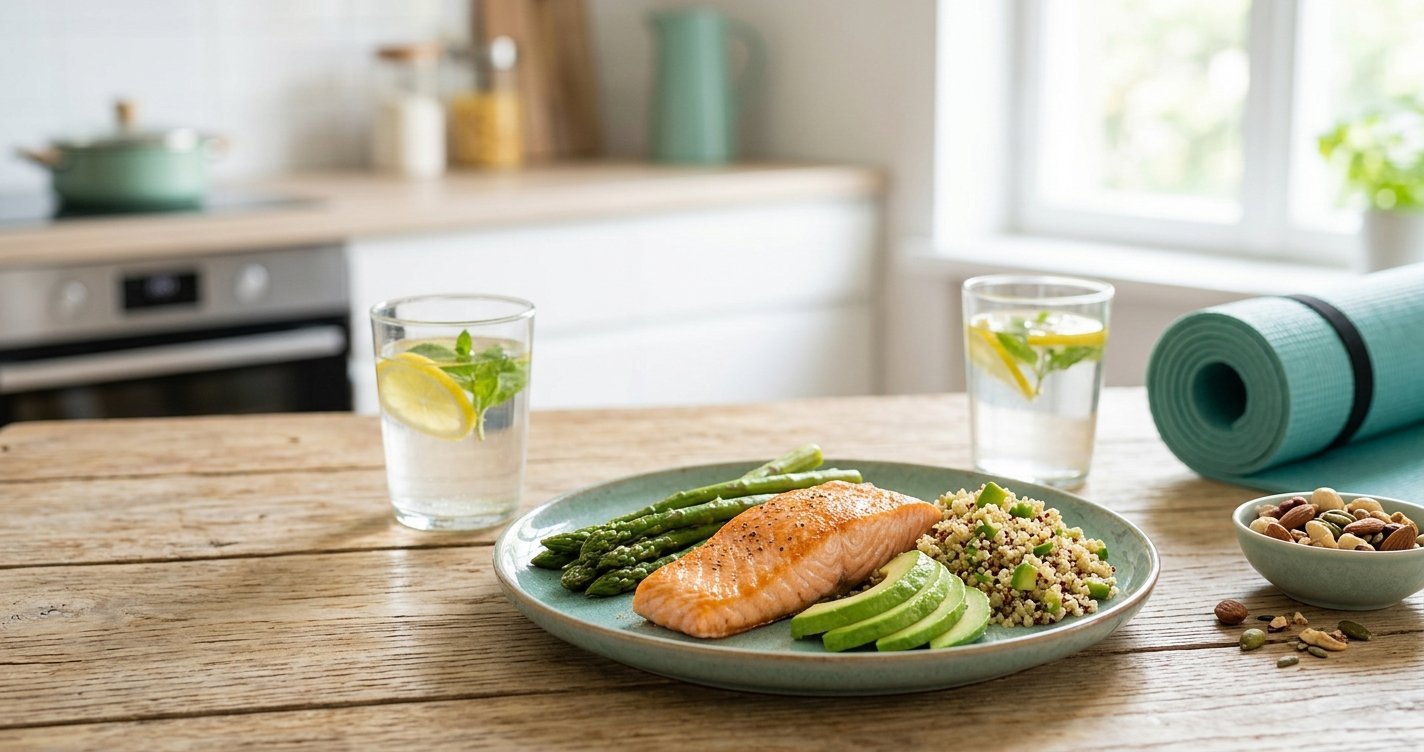
Are you tired of the endless cycle of restrictive diets and fleeting fat loss results? It's a common story. Many embark on a fat loss journey armed with calorie counters and intense workout plans, only to feel constantly hungry, drained, and ultimately frustrated. What if we told you there's a powerful, often underestimated ally that can make your journey smoother, more sustainable, and far more effective? Enter protein, the unsung hero of fat loss.
While protein is widely celebrated for its muscle-building prowess, its role in shedding unwanted body fat goes far beyond the gym. From curbing cravings to boosting your metabolism, protein is a multifaceted nutrient that deserves a prime spot in your fat loss strategy. In this evidence-based guide, we'll dive deep into how prioritizing protein can transform your body composition, boost your energy, and set you up for long-term success, all while keeping that friendly, encouraging tone we love. this excellent wellness product
1. Why Protein Reigns Supreme for Fat Loss: More Than Just Building Brawn
Protein isn't just a building block; it's a strategic player in your fat loss game. Its unique properties directly impact how your body feels, functions, and burns calories.
The Satiety Secret: Feeling Full, Longer
One of protein's most powerful benefits is its incredible ability to keep you feeling full and satisfied. Unlike carbohydrates or fats, protein has a profound impact on your hunger hormones. It helps increase the production of satiety hormones like PYY and GLP-1, which signal to your brain that you're full, while simultaneously reducing levels of ghrelin, the 'hunger hormone'.
- Reduced Cravings: When you feel fuller, you're less likely to succumb to unhealthy snacks and overeating.
- Lower Calorie Intake: Studies consistently show that increasing protein intake leads to a natural reduction in overall calorie consumption, without the feeling of deprivation.
Imagine going through your day feeling genuinely satisfied after meals, rather than constantly battling the urge to raid the pantry. That's the protein advantage!
The Thermic Effect of Food (TEF): Burning More Calories Just by Eating
Did you know your body burns calories just to digest and process the food you eat? This is known as the Thermic Effect of Food (TEF), and protein has the highest TEF of all macronutrients. Approximately 20-30% of the calories from protein are burned during digestion, compared to 5-10% for carbohydrates and 0-3% for fats.
While this might seem like a small number, over the course of a day, week, and month, this metabolic boost adds up. It's like getting a mini-workout every time you eat protein-rich foods, subtly increasing your daily calorie expenditure without any extra effort.
2. Preserving Your Hard-Earned Muscle: The Key to a Revved Metabolism
When you're in a calorie deficit to lose fat, your body can sometimes break down muscle tissue for energy, alongside fat. Losing muscle is detrimental to your fat loss goals for several reasons.
Muscle: Your Metabolism's Best Friend
Muscle tissue is metabolically active, meaning it burns more calories at rest than fat tissue. The more muscle you have, the higher your Resting Metabolic Rate (RMR) will be. A higher RMR means you burn more calories even when you're just sitting on the couch or sleeping.
Preventing Muscle Loss During a Calorie Deficit
This is where protein shines brightest for body composition. Adequate protein intake signals to your body that it needs to preserve its precious muscle tissue, even when you're eating fewer calories. By supplying the necessary amino acids, protein helps repair and rebuild muscle fibers, minimizing muscle breakdown and ensuring that the weight you lose is primarily fat, not muscle.
This preservation of muscle mass is critical for maintaining a healthy, efficient metabolism, making sustainable fat loss not just possible, but much more manageable in the long run.
3. How Much Protein Do You REALLY Need for Fat Loss?
The general dietary reference intake for protein is around 0.8 grams per kilogram of body weight, but for fat loss, especially when in a calorie deficit, this recommendation increases significantly. To optimize satiety, preserve muscle, and maximize TEF, aiming higher is key.
Most research suggests that for active individuals or those in a calorie deficit aiming for fat loss, an intake of 1.6 to 2.2 grams of protein per kilogram of body weight (0.7 to 1.0 gram per pound) is ideal. For example, a person weighing 70 kg (about 154 lbs) might aim for 112-154 grams of protein per day.
It's important to distribute your protein intake throughout the day, aiming for 20-40 grams per meal to maximize muscle protein synthesis and keep hunger at bay. Listen to your body and adjust as needed, considering your activity level and personal preferences.
4. Making Protein a Priority: Practical Strategies & Delicious Sources
Integrating more protein into your diet doesn't have to be bland or complicated. Here are some actionable tips and tasty ideas:
Breakfast Boost: Start Your Day Right
Kickstarting your day with protein can set the tone for better satiety and fewer cravings. Think beyond sugary cereals!
- Greek yogurt with berries and a sprinkle of nuts.
- Scrambled eggs with spinach and a slice of whole-wheat toast.
- A protein smoothie with protein powder, fruit, and leafy greens.
- Cottage cheese with sliced fruit.
Smart Snacking: Beat the Cravings
When hunger strikes between meals, reach for protein-rich options to avoid the sugar crash.
- Hard-boiled eggs.
- A handful of almonds or walnuts (in moderation).
- Beef jerky (check for low sugar options).
- Edamame.
- Small portion of cottage cheese or Greek yogurt.
Centering Meals Around Protein
Make protein the star of your lunch and dinner plates, then build around it with plenty of vegetables and complex carbohydrates.
- Lean Meats: Chicken breast, turkey, lean beef, pork tenderloin.
- Fish: Salmon, tuna, cod, tilapia (excellent source of Omega-3s too!).
- Legumes: Lentils, black beans, chickpeas (versatile and fiber-rich).
- Tofu & Tempeh: Fantastic plant-based options that absorb flavors beautifully.
Don't Forget Plant-Based Power!
You don't need to be a meat-eater to hit your protein goals. Plant-based proteins are abundant and offer additional fiber and micronutrients.
- Lentils, chickpeas, black beans, kidney beans.
- Quinoa (a complete protein).
- Tofu, tempeh, edamame.
- Seitan.
- Nutritional yeast.
Combining different plant proteins throughout the day (e.g., rice and beans) helps ensure you get a complete amino acid profile.
Supplement Savvy: When & How to Use Protein Powders
Protein powders (whey, casein, soy, pea, rice, hemp) are convenient and effective for boosting protein intake, especially post-workout or when whole food options aren't readily available. They are supplements, not replacements for whole foods, but can be a valuable tool in your arsenal. Choose a high-quality powder with minimal added sugars.
5. Beyond Protein: Synergistic Habits for Optimal Fat Loss
While protein is incredibly powerful, it's part of a larger ecosystem. For truly sustainable fat loss, integrate these complementary habits:
Strength Training: Build and Maintain
Pairing a high-protein diet with regular strength training is the ultimate combo for body recomposition. Lifting weights helps you build and retain muscle, further boosting your metabolism and shaping your physique. You'll not only lose fat but also look and feel stronger.
Hydration: Often Overlooked
Drinking plenty of water is crucial. Sometimes, thirst can be mistaken for hunger. Staying hydrated supports all bodily functions, including metabolism, and can help you feel fuller between meals.
Quality Sleep: Hormone Regulation
Lack of sleep can wreak havoc on your hunger and satiety hormones (ghrelin and leptin), making you hungrier and more prone to cravings. Aim for 7-9 hours of quality sleep per night to support your fat loss efforts.
Stress Management: Cortisol's Role
Chronic stress elevates cortisol levels, which can promote fat storage, especially around the midsection. Incorporate stress-reducing activities like meditation, yoga, spending time in nature, or hobbies you enjoy.
Mindful Eating: Listen to Your Body
Even with optimal protein, paying attention to your body's hunger and fullness cues is essential. Eat slowly, savor your food, and stop when you're satisfied, not stuffed.
Conclusion: Embrace the Protein Advantage for a Healthier You
Fat loss doesn't have to be a punishing ordeal. By understanding and harnessing the power of protein, you can transform your approach to nutrition and experience truly sustainable results. Protein's ability to enhance satiety, boost metabolism, and preserve muscle mass makes it an indispensable tool for anyone looking to shed fat and improve their body composition.
Remember, this isn't about perfection, but about consistent, informed choices. Start by making small, actionable changes today. Prioritize protein at every meal, choose smart protein-rich snacks, and combine these efforts with strength training, adequate sleep, and stress management. You'll not only see the numbers on the scale shift, but you'll feel stronger, more energized, and more in control of your health journey. Embrace the protein advantage – your body will thank you!