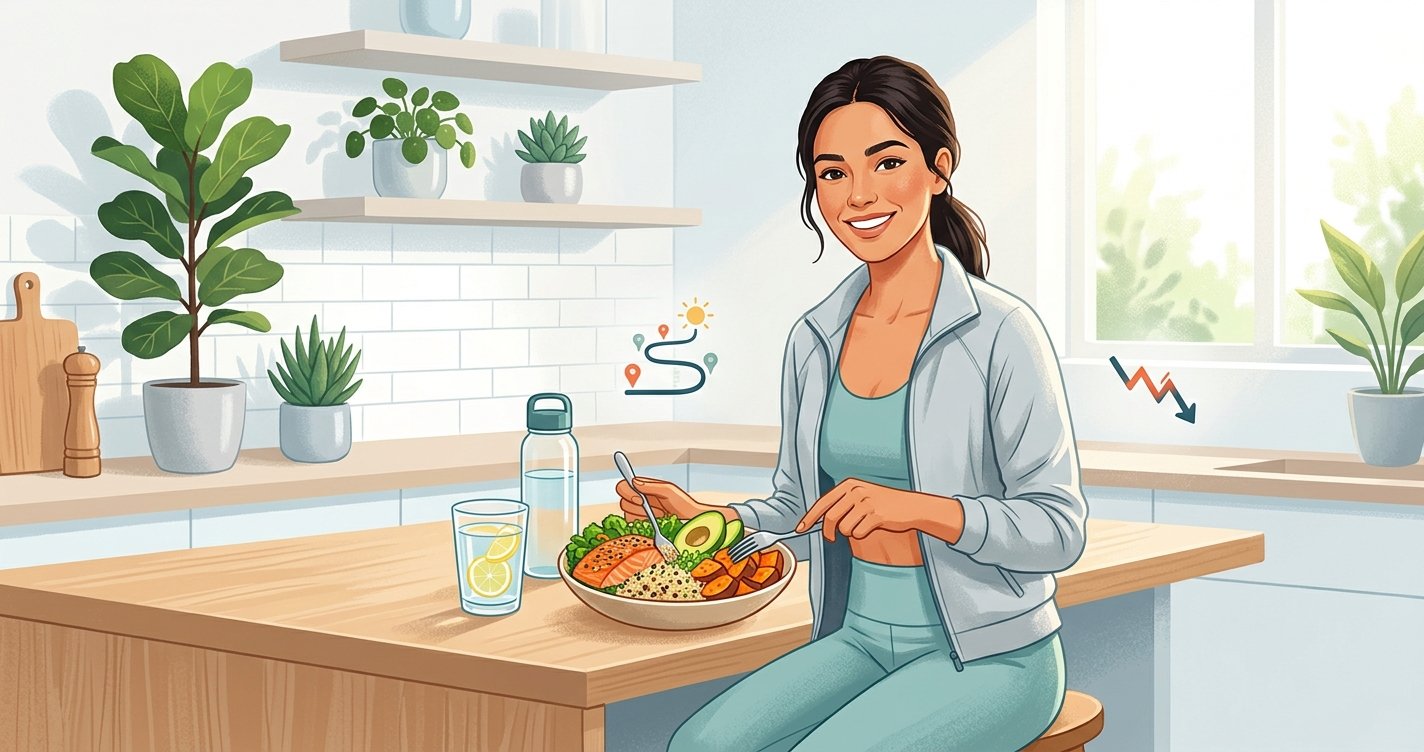
Have you ever felt caught in the frustrating cycle of losing weight only to gain it all back, often with a little extra? If so, you're not alone. In our quest for quick fixes, many of us fall prey to the siren song of crash diets – those extreme eating plans promising rapid fat loss in mere days or weeks. While the initial drop on the scale can be incredibly motivating, these methods almost always lead to disappointment, metabolic slowdown, and a damaged relationship with food.
It's time to ditch the deprivation and embrace a smarter, more sustainable approach to fat loss. This isn't about dieting; it's about building a healthier lifestyle that supports your body's natural ability to thrive and maintain a healthy weight for good. Let's explore why crash diets are a recipe for failure and uncover the evidence-based strategies that truly work for lasting results. this excellent wellness product
The Allure and Illusion of Crash Diets
Crash diets are seductive. They promise dramatic results in a short timeframe, often by severely restricting calories, eliminating entire food groups, or relying on specific 'detox' plans. The initial weight loss is undeniable, but it's largely water weight and muscle, not true fat loss. This rapid, unsustainable approach comes with a hefty price tag for your metabolism and overall health.
Why They Seem Appealing
- Quick Results: The immediate drop in scale weight provides a powerful psychological boost, making you believe it's working.
- Simplicity: Often, they offer rigid rules, removing the need for complex food choices or meal planning (at least in the short term).
- Hope: For those who've struggled, a new, extreme diet can feel like the last resort – the one that will finally work.
The Hidden Costs: Beyond the Scale
While the scale might show a temporary dip, crash diets inflict significant damage:
- Metabolic Slowdown: Your body is smart. When faced with severe calorie restriction, it enters 'starvation mode,' slowing down your metabolism to conserve energy. This makes it harder to lose weight and easier to gain it back once you resume normal eating.
- Muscle Loss: Your body needs energy. If it's not getting enough from food, it starts breaking down muscle tissue for fuel. Muscle is metabolically active, meaning it burns more calories at rest. Losing muscle further harms your metabolism.
- Nutrient Deficiencies: Restricting food groups can lead to a lack of essential vitamins, minerals, and macronutrients, impacting energy levels, immune function, and overall health.
- Rebound Weight Gain (The Yo-Yo Effect): Once you stop the crash diet (because let's face it, they're unsustainable), your slowed metabolism and increased hunger hormones conspire against you. You often regain the lost weight, plus more, a phenomenon known as the yo-yo effect.
- Psychological Toll: Constant hunger, deprivation, mood swings, and the eventual failure to maintain results can lead to feelings of guilt, shame, and a disordered relationship with food.
Building Your Foundation for Sustainable Fat Loss
True, lasting fat loss isn't about deprivation; it's about nourishment and smart choices. It starts with building a sustainable calorie deficit through nutrient-dense foods.
Prioritize Protein: Your Satiety & Muscle Ally
Protein is king for fat loss. It's highly satiating, meaning it keeps you feeling full longer, reducing overall calorie intake. It also helps preserve muscle mass during a calorie deficit and has a higher thermic effect (meaning your body burns more calories digesting it). Aim for a good source of protein at every meal: lean meats, poultry, fish, eggs, dairy, legumes, and plant-based protein powders.
Embrace Whole Foods: Fueling Your Body Right
Ditch processed junk and fill your plate with whole, unprocessed foods. Fruits, vegetables, whole grains, lean proteins, and healthy fats are packed with nutrients, fiber, and water, keeping you full and providing sustained energy without the empty calories and sugar spikes of processed foods.
The Power of Fiber: Fullness and Gut Health
Fiber-rich foods (found in fruits, vegetables, legumes, and whole grains) are crucial. Fiber adds bulk to your meals, promoting satiety and aiding digestion. It also supports a healthy gut microbiome, which is increasingly linked to weight management and overall health.
Hydration: Often Overlooked, Always Essential
Don't underestimate the power of water. Staying well-hydrated can boost metabolism, reduce appetite (sometimes thirst is mistaken for hunger), and aid in nutrient transport. Make water your primary beverage choice throughout the day.
Movement Matters: Beyond Just Burning Calories
While nutrition is paramount, physical activity plays a critical supporting role in sustainable fat loss and overall health.
Strength Training: The Metabolic Game Changer
If you're not lifting weights, you're missing out on a powerful fat-loss tool. Strength training builds and preserves muscle mass, which is key to a robust metabolism. More muscle means you burn more calories at rest, making it easier to maintain a calorie deficit. Aim for 2-4 sessions per week, focusing on compound movements.
Cardio: For Heart Health and Calorie Expenditure
Cardiovascular exercise, like brisk walking, jogging, cycling, or swimming, burns calories and improves heart health. Incorporate a mix of moderate-intensity steady-state cardio and perhaps some high-intensity interval training (HIIT) for varied benefits. Remember, it complements strength training; it doesn't replace it for fat loss.
NEAT: The Unsung Hero of Daily Activity
NEAT (Non-Exercise Activity Thermogenesis) refers to the calories you burn from all activities that aren't sleeping, eating, or structured exercise. Think walking to work, taking the stairs, fidgeting, or doing household chores. Increasing your NEAT throughout the day can significantly contribute to your overall calorie expenditure without feeling like a workout.
The Mind-Body Connection: Hormones, Sleep, and Stress
Fat loss isn't just about calories in, calories out. Your hormones, sleep quality, and stress levels play a profound role in how your body stores and burns fat.
Sleep: Your Secret Fat Loss Weapon
Lack of sleep wreaks havoc on your hunger hormones. It increases ghrelin (the hunger hormone) and decreases leptin (the satiety hormone), making you feel hungrier and less satisfied. Aim for 7-9 hours of quality sleep per night to support hormonal balance and optimal fat loss. Prioritize sleep hygiene: dark, cool room, consistent schedule, no screens before bed.
Stress Management: Taming Cortisol
Chronic stress elevates cortisol levels, a hormone that, among other things, can promote fat storage, particularly around the abdomen. Find healthy ways to manage stress: meditation, yoga, spending time in nature, hobbies, or connecting with loved ones. Reducing stress isn't just good for your mind; it's good for your waistline too.
Hormonal Harmony: A Brief Overview
Beyond ghrelin, leptin, and cortisol, other hormones like insulin (managed by stable blood sugar from whole foods) and thyroid hormones also influence metabolism. A holistic approach that includes balanced nutrition, regular exercise, adequate sleep, and stress management naturally supports hormonal balance, making fat loss more achievable.
Habits, Consistency, and Patience: The Real Secret Sauce
Sustainable fat loss isn't a race; it's a marathon of consistent, healthy habits.
Small Changes, Big Impact
Don't try to overhaul everything at once. Focus on making one or two small, sustainable changes at a time. Once those become habits, add another. These incremental changes accumulate into significant results over time.
Tracking Progress (Beyond the Scale)
While the scale can be a tool, it's not the only one. Track non-scale victories: how your clothes fit, energy levels, strength gains, improved sleep, better mood, and measurements. These often paint a more accurate picture of your progress and keep you motivated.
The Importance of Professional Guidance
If you're feeling overwhelmed or have specific health concerns, consider working with a registered dietitian, certified personal trainer, or healthcare professional. They can provide personalized guidance, support, and accountability tailored to your unique needs.
Embrace the Journey to Lasting Health
Forget the quick fixes and extreme diets that promise the world but deliver only frustration. Sustainable fat loss is about empowering yourself with knowledge, making informed choices, and fostering a loving relationship with your body. It's a journey of consistency, patience, and celebrating every small victory along the way.
By prioritizing whole foods, embracing strength training, managing stress, and getting enough sleep, you're not just losing fat; you're building a foundation for vibrant health and a life free from the diet cycle. Start today, one smart choice at a time, and unlock the lasting results you truly deserve.