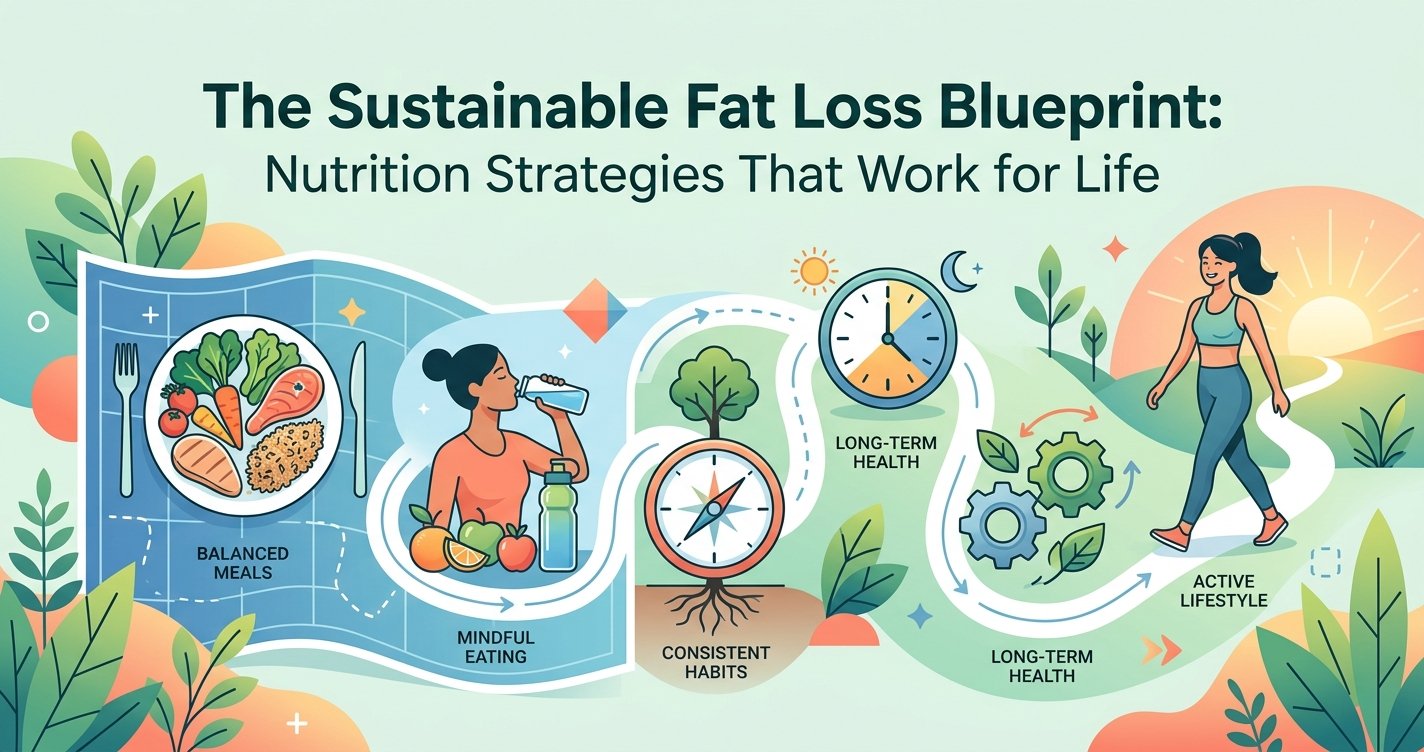
Introduction: Tired of the Diet Rollercoaster? Discover Sustainable Fat Loss!
Have you ever found yourself caught in the endless cycle of restrictive diets, rapid weight loss, and then, inevitably, gaining it all back? It’s a frustrating and all-too-common experience. The truth is, most popular diets focus on quick fixes and extreme restrictions, which are simply not sustainable for the long haul. What if we told you there’s a better way – a path to genuine, lasting fat loss that doesn’t involve deprivation, but rather, smart, evidence-based nutrition strategies you can actually live with?
Welcome to the world of sustainable fat loss! This isn't about dieting; it's about building a healthier relationship with food and your body, creating habits that support your goals, and truly understanding what fuels you best. We’re here to guide you through the principles of sustainable nutrition, helping you ditch the diet mentality and embrace a lifestyle that promotes long-term fat loss, increased energy, and overall well-being. Let's dive in! this excellent wellness product
Beyond Fad Diets: Why Sustainable Nutrition is Your Long-Term Solution
Before we explore what to do, let’s briefly touch on why many conventional diets fail. Fad diets often promise dramatic results by eliminating entire food groups, drastically cutting calories, or promoting unusual eating patterns. While some might see initial weight loss, these approaches are rarely sustainable because they:
- Create nutrient deficiencies: Restricting food groups can lead to a lack of essential vitamins and minerals.
- Lead to rebound weight gain: Extreme restriction often triggers intense cravings and overeating once the diet ends.
- Damage metabolism: Prolonged, severe calorie restriction can slow down your metabolism, making future fat loss harder.
- Are socially isolating: Strict diets can make social eating difficult and unenjoyable.
- Are mentally exhausting: Constant focus on what you can't eat fosters a negative relationship with food.
Sustainable nutrition, on the other hand, is about balance, moderation, and consistency. It’s about making informed choices that nourish your body, support your energy levels, and create a gentle, consistent calorie deficit that leads to fat loss without feeling deprived. It’s a journey, not a destination, and it’s one that empowers you to take control of your health for good.
The Foundational Pillars of Sustainable Fat Loss Nutrition
Building a sustainable fat loss plan doesn't have to be complicated. It revolves around a few key principles that, when consistently applied, yield incredible results. Think of these as your non-negotiable pillars:
Pillar 1: Understanding Your Energy Balance – The Calorie Conversation
At its core, fat loss comes down to consuming fewer calories than your body burns – known as a calorie deficit. This doesn't mean starving yourself! It means finding your maintenance calories (the amount needed to maintain your current weight) and then creating a moderate deficit (typically 300-500 calories below maintenance) that is achievable and doesn't leave you feeling drained. Tools like online TDEE (Total Daily Energy Expenditure) calculators can give you a starting estimate, but listening to your body and tracking your intake for a few days can help you fine-tune this.
Pillar 2: Prioritizing Protein for Satiety and Muscle Preservation
Protein is your best friend when it comes to fat loss. Here’s why:
- Satiety: Protein is incredibly filling, helping you feel fuller for longer and reducing overall calorie intake.
- Thermogenic effect: Your body burns more calories digesting protein compared to fats or carbs.
- Muscle preservation: When you're in a calorie deficit, adequate protein intake helps preserve lean muscle mass, which is crucial for maintaining a healthy metabolism.
Aim for a good source of lean protein at every meal: chicken breast, fish, lean beef, eggs, Greek yogurt, tofu, lentils, or protein powder are all excellent choices.
Pillar 3: Embracing Whole, Nutrient-Dense Foods
Forget processed junk and embrace the power of whole foods! These are foods that are minimally processed and retain their natural nutrients. Think:
- Fruits and Vegetables: Packed with fiber, vitamins, minerals, and antioxidants, they're low in calories and high in volume, helping you feel full.
- Whole Grains: Oats, brown rice, quinoa, and whole-wheat bread provide sustained energy and fiber, which aids digestion and satiety.
- Legumes: Beans, lentils, and chickpeas are great sources of plant-based protein and fiber.
By focusing on these foods, you naturally reduce your intake of empty calories, added sugars, and unhealthy fats often found in processed options.
Pillar 4: Smart Carb Choices and Healthy Fats – Fueling Your Body Right
Carbohydrates and fats have often been demonized, but they are essential for your health and energy! The key is making smart choices:
- Smart Carbs: Opt for complex carbohydrates like those found in whole grains, fruits, and vegetables. These provide sustained energy, fiber, and don't cause the sharp blood sugar spikes and crashes associated with refined carbs (white bread, sugary drinks).
- Healthy Fats: Fats are crucial for hormone production, nutrient absorption, and satiety. Include sources of healthy fats like avocados, nuts, seeds, olive oil, and fatty fish (salmon) in moderation. They are calorie-dense, so portion control is important, but don't cut them out!
Practical Strategies for Integrating Healthy Habits into Your Life
Knowing the principles is one thing; putting them into practice is another. Here are some actionable strategies to help you build sustainable habits:
Meal Planning and Prep: Your Blueprint for Success
One of the biggest hurdles to healthy eating is a lack of planning. Dedicate some time each week to:
- Plan your meals: Decide what you’ll eat for breakfast, lunch, dinner, and snacks.
- Grocery shop strategically: Buy only what you need and focus on whole, fresh ingredients.
- Batch cook: Prepare larger portions of healthy staples like grilled chicken, roasted vegetables, or quinoa to use throughout the week.
- Portion control: Use measuring cups or a food scale until you get a good feel for appropriate portion sizes.
Having healthy meals and snacks ready to go significantly reduces the likelihood of reaching for less healthy, convenient options when hunger strikes.
Mindful Eating: Connecting with Your Body's Signals
Beyond what you eat, how you eat matters immensely. Mindful eating involves:
- Eating slowly: Give your brain time to register fullness (it takes about 20 minutes!).
- Paying attention to hunger and fullness cues: Eat when you're hungry, stop when you're comfortably full, not stuffed.
- Minimizing distractions: Put away your phone, turn off the TV, and focus on your meal.
- Savoring your food: Notice the tastes, textures, and aromas.
Mindful eating helps you enjoy your food more and prevents overeating, fostering a healthier relationship with your body's signals.
Mindset, Flexibility, and Making Fat Loss Enjoyable (and Lasting!)
Sustainable fat loss isn't about perfection; it's about progress. There will be days when you deviate from your plan, and that’s perfectly okay. The key is to get back on track with your next meal, not to let one slip-up derail your entire journey.
- Embrace flexibility: Allow yourself occasional treats or meals out. The 80/20 rule (eating healthy 80% of the time, allowing for flexibility 20% of the time) can be a great guideline.
- Focus on non-scale victories: Celebrate increased energy, better sleep, clothes fitting better, or improved strength. The scale is just one metric.
- Stay hydrated: Water is essential for every bodily function, including metabolism. Aim for 8-10 glasses a day. Sometimes, thirst is mistaken for hunger!
- Get adequate sleep: Lack of sleep can disrupt hunger hormones (ghrelin and leptin), making fat loss harder. Prioritize 7-9 hours of quality sleep.
Remember, this is about creating a lifestyle you can maintain and enjoy, not a temporary diet that leaves you feeling miserable. Find foods you genuinely enjoy that also support your goals, and experiment with new recipes.
Your Path to Sustainable Fat Loss Starts Today!
Ditching the diet mindset and embracing sustainable nutrition is one of the most empowering choices you can make for your health. It requires patience, consistency, and a willingness to learn, but the rewards are immense: lasting fat loss, improved energy, better mood, and a healthier relationship with food.
Start small. Pick one or two strategies from this guide and focus on implementing them consistently. As you build confidence and see results, gradually add more. Your journey to sustainable fat loss is unique to you, and with these evidence-based strategies, you have the blueprint to create a healthier, happier you – for life.