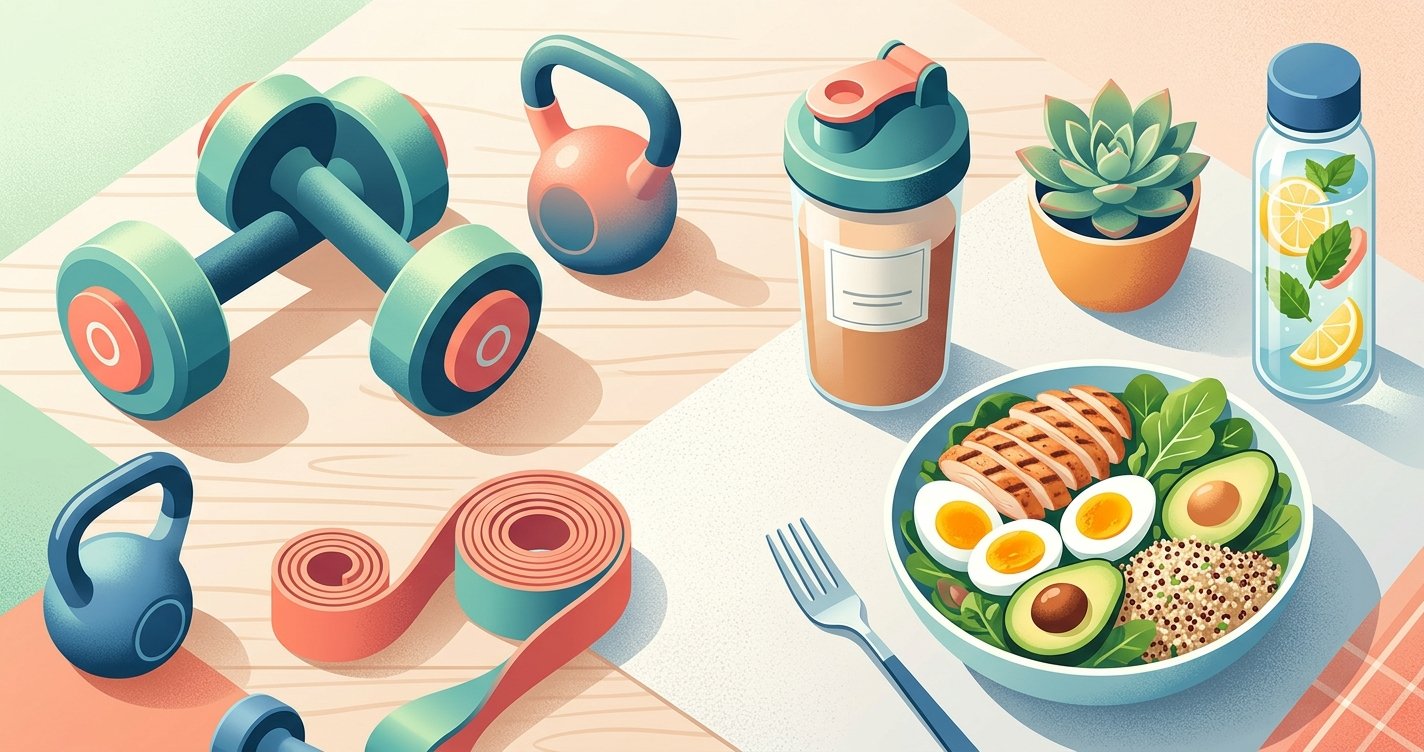
Are you tired of the endless cycle of crash diets, restrictive eating, and frustrating weight plateaus? You’re not alone. Many people embark on a fat loss journey feeling overwhelmed, often falling into traps that lead to temporary results at best, and demotivation at worst. But what if we told you there’s a more sustainable, empowering, and scientifically-backed path to not just losing fat, but transforming your body and boosting your metabolism for good?
Welcome to the ultimate guide to sustainable fat loss, where we’re going to unlock the incredible power of two often-underestimated allies: strength training and a high-protein diet. Forget deprivation; it's time to build strength, sculpt your body, and fuel it smart. This isn't about quick fixes; it's about creating lasting change, feeling stronger, and enjoying the process. this excellent wellness product
Why Traditional Diets Often Fail (And What to Do Instead)
For decades, the standard advice for fat loss revolved around "eat less, move more." While calories in vs. calories out is a fundamental principle, it's an oversimplified approach that often overlooks crucial physiological adaptations. When you drastically cut calories without strategic training and nutrition, your body goes into "survival mode."
- Metabolic Slowdown: Your metabolism can adapt to lower calorie intake by burning fewer calories at rest.
- Muscle Loss: Without adequate protein and resistance, a significant portion of the weight you lose can be precious muscle, which is metabolically active tissue. Losing muscle further slows your metabolism.
- Unsustainability: Extreme restriction is mentally and physically draining, leading to cravings, binge eating, and ultimately, regaining lost weight (often with extra fat).
The solution isn't to starve yourself; it's to strategically train and nourish your body to become a more efficient fat-burning machine. This is where strength training and protein step in.
The Game-Changer: Strength Training for Fat Loss
When you think of fat loss, cardio might be the first thing that comes to mind. While cardio has its benefits, strength training is the unsung hero for sustainable, long-term fat loss and body transformation.
More Than Just Calories Burned During Exercise
Yes, you burn calories during a strength training session, but the magic truly happens long after you've racked the weights. This phenomenon is called Excess Post-exercise Oxygen Consumption (EPOC), or the "afterburn effect." Your body continues to burn extra calories as it recovers, repairs muscle tissue, and returns to its resting state. This elevated metabolic rate can last for up to 24-48 hours post-workout!
Building Muscle: Your Metabolic Furnace
Here's the golden rule of metabolism: muscle is metabolically more active than fat. This means that for every pound of muscle you carry, your body burns more calories at rest, even when you're just sitting on the couch. By building and preserving muscle through strength training, you effectively increase your Resting Metabolic Rate (RMR), making your body a more efficient fat-burning furnace 24/7.
Body Composition Over Scale Weight
One of the most encouraging aspects of strength training is its impact on body composition. You might not see the scale drop dramatically at first, and that's perfectly normal! As you gain muscle and lose fat, your body reshapes. Muscle is denser than fat, so while you might weigh the same, you'll look leaner, feel firmer, and your clothes will fit better. Focus on how you feel and look, rather than just the number on the scale.
Beyond Fat Loss: The Holistic Benefits of Lifting
- Improved Bone Density: Strength training is a powerful way to build and maintain strong bones, reducing the risk of osteoporosis.
- Enhanced Insulin Sensitivity: Regular resistance training can improve how your body uses insulin, which is crucial for blood sugar control and fat storage.
- Better Mood & Cognitive Function: Exercise, especially strength training, releases endorphins, reduces stress, and can boost brain health.
- Increased Strength & Functional Ability: Daily tasks become easier, and you'll feel more capable and confident in your body.
The Protein Powerhouse: Fueling Fat Loss and Muscle Growth
While strength training builds the furnace, protein provides the high-octane fuel. It's not just for bodybuilders; protein is absolutely essential for anyone looking to lose fat sustainably and improve their body composition.
Satiety: Feeling Fuller, Longer
Protein is the most satiating macronutrient. Including adequate protein in your meals helps you feel full and satisfied for longer, naturally reducing cravings and preventing overeating. This makes adhering to a modest calorie deficit much easier and more enjoyable than feeling constantly hungry on a low-protein diet.
The Thermic Effect of Food (TEF)
Digesting and metabolizing food requires energy, and this is known as the Thermic Effect of Food (TEF). Protein has the highest TEF compared to carbohydrates and fats. Roughly 20-30% of protein's calories are burned during digestion, compared to 5-10% for carbs and 0-3% for fats. This means you effectively burn more calories just by eating protein!
Preserving Muscle During a Calorie Deficit
When you're in a calorie deficit (eating fewer calories than you burn), your body can potentially break down muscle for energy. A high protein intake is critical to signal your body to preserve muscle tissue while primarily drawing energy from fat stores. This is paramount for maintaining your metabolic rate and achieving a sculpted physique.
Optimal Protein Intake: How Much Is Enough?
For fat loss and muscle preservation, current evidence-based recommendations suggest consuming around 1.6 to 2.2 grams of protein per kilogram of body weight per day. If you're very active or aiming for significant body recomposition, some sources suggest even higher, up to 2.5-3.0 g/kg, though 1.6-2.2 g/kg is a solid starting point for most.
- Excellent Protein Sources: Lean meats (chicken breast, turkey, lean beef), fish (salmon, tuna, cod), eggs, dairy (Greek yogurt, cottage cheese), legumes (lentils, beans), tofu, tempeh, and protein powders (whey, casein, plant-based).
Putting It All Together: Your Sustainable Fat Loss Plan
Ready to put these powerful strategies into action? Here’s how to build your sustainable fat loss plan:
Crafting Your Strength Training Routine
- Frequency: Aim for 2-4 strength training sessions per week. Allow for rest days between sessions for muscle recovery.
- Focus on Compound Movements: Exercises like squats, deadlifts, bench presses, overhead presses, and rows work multiple muscle groups simultaneously, leading to greater calorie expenditure and muscle activation.
- Progressive Overload: To keep building muscle and getting stronger, you need to continually challenge your muscles. This means gradually increasing the weight, reps, sets, or decreasing rest times over time.
- Proper Form: Always prioritize good form to prevent injuries and ensure muscle activation. Consider working with a certified trainer if you're new to lifting.
Structuring Your Meals for Success
- Prioritize Protein: Aim for 20-40 grams of protein at each main meal. Distributing protein intake throughout the day is more effective for muscle protein synthesis.
- Include Healthy Fats: Don't fear fats! Healthy fats (avocado, nuts, seeds, olive oil) are crucial for hormone production, satiety, and nutrient absorption.
- Don't Shun Carbs: Complex carbohydrates (whole grains, fruits, vegetables) provide energy for your workouts and essential nutrients. Time them around your workouts for optimal performance.
- Hydration: Drink plenty of water throughout the day. Often, thirst is mistaken for hunger.
Beyond the Gym: The Role of Sleep and Stress Management
Fat loss isn't just about what you do in the gym and kitchen. Your lifestyle plays a massive role:
- Quality Sleep: Aim for 7-9 hours of quality sleep per night. Poor sleep disrupts hormones that regulate hunger (ghrelin) and satiety (leptin), making fat loss harder.
- Stress Management: Chronic stress elevates cortisol levels, which can promote fat storage, especially around the midsection. Find healthy ways to manage stress, such as meditation, walks, or hobbies.
Common Pitfalls and How to Avoid Them
- Over-reliance on Cardio: While beneficial, too much cardio without strength training can lead to muscle loss in a deficit.
- Neglecting Recovery: Muscles grow and repair during rest. Overtraining without adequate recovery can hinder progress and lead to burnout.
- Unrealistic Expectations: Sustainable fat loss takes time. Celebrate small victories and be patient with the process.
- Fear of "Getting Bulky": Unless you're specifically training for competitive bodybuilding and eating a massive surplus, women especially will not "get bulky" from strength training. You'll get toned, strong, and lean!
Embrace the Journey to a Stronger, Leaner You!
Sustainable fat loss isn't about quick fixes or punishing yourself. It's about empowering your body with the right tools: consistent strength training to build and preserve muscle, and adequate protein intake to fuel your metabolism and keep you satisfied. By focusing on these two pillars, you'll not only shed unwanted fat but also build a stronger, healthier, and more resilient body that you’ll love living in.
Start small, be consistent, and trust the process. Your body will thank you. Ready to lift your way to a leaner, stronger you? Let's get started!