The Ultimate Guide to Protein for Sustainable Fat Loss: Eat More, Feel Fuller, Get Leaner
Are you on a fat loss journey, feeling constantly hungry, or hitting a plateau despite your best efforts? What if there was one key macronutrient that could dramatically change your experience, helping you feel fuller, preserve muscle, and even boost your metabolism? There is, and it’s called protein.
Often overshadowed by debates about carbs and fats, protein is the unsung hero of sustainable fat loss. It’s not just for bodybuilders; it’s essential for everyone looking to shed fat, build a leaner physique, and improve overall health. In this comprehensive guide, we'll dive deep into why protein is your best ally, how much you truly need, the best sources, and practical strategies to effortlessly integrate more of it into your daily life. Get ready to transform your approach to fat loss, one delicious, protein-packed meal at a time! this excellent wellness product
Why Protein is Your Fat Loss MVP (Most Valuable Player)
Protein isn't just about building big muscles; it plays multiple critical roles that make it indispensable for effective and sustainable fat loss. Let’s explore its powerhouse benefits.
The Satiety Secret: Feel Fuller, Eat Less
One of the biggest challenges in fat loss is managing hunger and cravings. This is where protein shines brightest. Compared to carbohydrates and fats, protein is by far the most satiating macronutrient. When you consume protein, it triggers the release of gut hormones like PYY and GLP-1, which signal fullness to your brain. This means you feel satisfied for longer, reducing the likelihood of overeating and unnecessary snacking between meals. Imagine going hours without thinking about food – that’s the power of protein!
Metabolism Booster: The Thermic Effect of Food (TEF)
Did you know that your body burns calories just to digest and process the food you eat? This is known as the Thermic Effect of Food (TEF), and protein has a significantly higher TEF than carbs or fats. Roughly 20-30% of the calories from protein are burned during digestion, compared to 5-10% for carbs and 0-3% for fats. While it won't drastically skyrocket your metabolism, this metabolic advantage can add up over time, contributing to a greater overall calorie deficit and making your fat loss efforts more efficient.
Muscle Preservation: Why It Matters for Fat Loss
When you’re in a calorie deficit to lose fat, your body can sometimes break down muscle tissue for energy, not just fat. This is detrimental because muscle is metabolically active, meaning it burns more calories at rest than fat tissue does. A higher muscle mass translates to a higher resting metabolic rate (RMR), making it easier to maintain your weight loss in the long run. Adequate protein intake, especially when combined with strength training, helps protect your precious muscle mass, ensuring that the weight you lose is primarily fat, not muscle. This leads to a leaner, more toned physique.
How Much Protein Do You Really Need?
The optimal protein intake for fat loss can vary based on individual factors, but scientific research provides clear guidelines for maximizing its benefits.
General Guidelines for Fat Loss
For individuals aiming for fat loss, research consistently suggests a higher protein intake than the standard dietary reference intake (DRI). A widely accepted recommendation for fat loss is to consume between 1.6 to 2.2 grams of protein per kilogram of body weight (or 0.73 to 1 gram per pound of body weight) per day. For example, a 150-pound (approx. 68 kg) individual would aim for roughly 110-150 grams of protein daily.
Factors Influencing Your Needs
- Activity Level: If you're highly active, especially engaging in regular strength training, your protein needs might be at the higher end of the spectrum to support muscle repair and growth.
- Age: As we age, our bodies become less efficient at utilizing protein, a phenomenon known as anabolic resistance. Older adults may benefit from slightly higher protein intakes (e.g., 1.2-1.5 g/kg) to preserve muscle mass.
- Current Body Composition: If you have a significant amount of weight to lose, using your target body weight or lean body mass for calculations can be more appropriate to avoid excessively high protein intake.
Don't fret about precision initially; aim for the general range and adjust based on how you feel, your hunger levels, and your progress. Using a food tracking app for a few days can give you a good idea of your current intake and help you identify areas for improvement.
Top Protein Sources: Fueling Your Journey
Incorporating more protein into your diet doesn't have to be complicated or boring. There's a vast array of delicious and nutritious options to choose from.
Animal-Based Proteins
These are often considered 'complete' proteins, meaning they contain all nine essential amino acids your body needs. They are excellent choices for their bioavailability and nutrient density.
- Lean Meats: Chicken breast, turkey, lean beef (sirloin, round), pork loin.
- Fish & Seafood: Salmon, tuna, cod, shrimp, tilapia (rich in omega-3s too!).
- Eggs: The 'perfect' protein, versatile and affordable.
- Dairy: Greek yogurt, cottage cheese, milk, whey protein powder (excellent for snacks and post-workout).
Plant-Based Proteins
For vegetarians, vegans, or anyone looking to diversify their protein sources, plant-based options are plentiful and often come with added fiber and micronutrients.
- Legumes: Lentils, chickpeas, black beans, kidney beans.
- Soy Products: Tofu, tempeh, edamame (versatile and can mimic meat textures).
- Grains: Quinoa, oats (especially steel-cut or rolled).
- Nuts & Seeds: Almonds, peanuts, chia seeds, flax seeds, hemp seeds (good for adding a protein boost to meals).
- Plant-Based Protein Powders: Pea, rice, soy, or mixed plant protein powders can be great for smoothies.
Protein Supplements (When Appropriate)
While whole foods should always be your primary source of nutrition, protein supplements can be a convenient and effective way to meet your daily protein targets, especially if you're very active, have a busy schedule, or struggle to eat enough protein through solid food alone.
- Whey Protein: Fast-digesting, ideal post-workout.
- Casein Protein: Slow-digesting, good before bed or for sustained release.
- Plant-Based Protein: Excellent for those avoiding animal products.
Practical Strategies to Boost Your Protein Intake
Integrating more protein into your diet doesn't have to be a chore. Here are some simple, actionable strategies:
Make Protein the Star of Every Meal
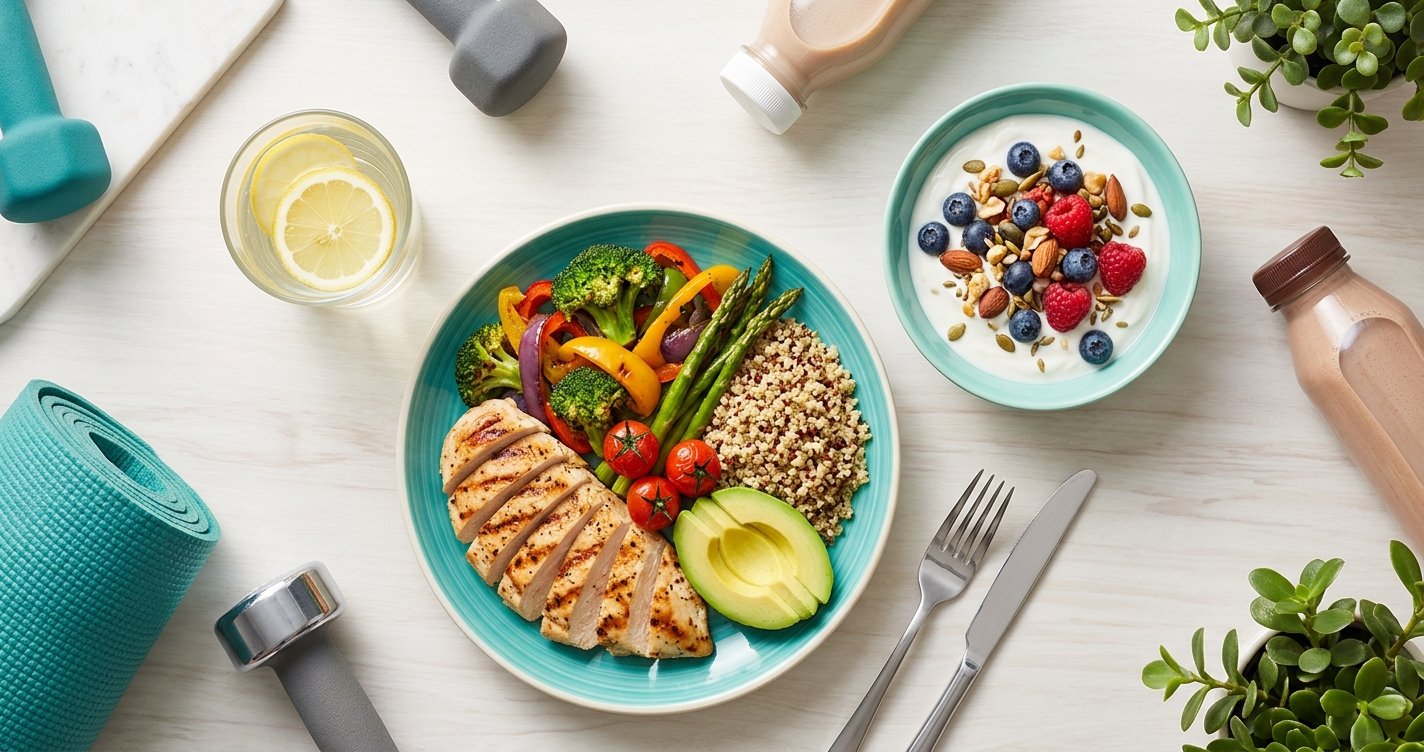
Instead of thinking about what carb or fat to build your meal around, start with your protein source. Aim for 20-40 grams of protein at each main meal (breakfast, lunch, and dinner). For example, a chicken breast with a side of veggies and a small portion of rice, or lentil soup with a whole-grain roll.
Smart Snacking Choices
Swap out sugary or high-carb snacks for protein-rich alternatives. Think Greek yogurt, cottage cheese, a handful of almonds, a hard-boiled egg, jerky, or a protein shake. These will keep you full and satisfied until your next meal.
The Power of Breakfast
Many people eat a carb-heavy breakfast (cereal, toast, pastries). Start your day strong with protein to kickstart your metabolism and reduce morning cravings. Scrambled eggs, a protein smoothie, Greek yogurt with berries, or cottage cheese are excellent choices.
Don't Forget Pre/Post-Workout
If you're exercising regularly, consuming protein around your workouts can aid in muscle recovery and growth. A protein shake or a small protein-rich snack before or after your session can be highly beneficial.
Common Protein Myths Debunked
Despite its proven benefits, protein often gets a bad rap due to persistent myths. Let's clear the air.
"Too Much Protein is Bad for Your Kidneys"
This is a common concern, but the evidence does not support it for healthy individuals. Numerous studies have shown that high protein intake (even up to 2.2 g/kg/day or more) does not harm kidney function in people without pre-existing kidney disease. If you have a history of kidney issues, it's always wise to consult your doctor or a registered dietitian. However, for most healthy adults, this myth is unfounded.
"Protein Will Make Me Bulky"
Especially for women, there's a fear that eating more protein will lead to an undesirable 'bulky' physique. This is simply not true. Building significant muscle mass requires a very specific training regimen, often a calorie surplus, and specific hormonal profiles (like higher testosterone levels), which most women naturally lack. Protein helps you build lean muscle, which contributes to a toned, strong, and athletic look, not bulk. It's crucial for achieving that defined appearance many aspire to.
Beyond Protein: The Holistic Picture
While protein is a powerful tool, it's essential to remember that it's part of a larger picture. Sustainable fat loss encompasses a holistic approach:
- Whole Foods: Prioritize a diet rich in fruits, vegetables, and whole grains for fiber, vitamins, and minerals.
- Strength Training: Combine your protein intake with resistance exercise to maximize muscle preservation and growth.
- Hydration: Drink plenty of water throughout the day to support metabolism and satiety.
- Sleep: Adequate sleep (7-9 hours) is crucial for hormone regulation, hunger control, and recovery.
- Stress Management: Chronic stress can hinder fat loss by increasing cortisol levels. Find healthy ways to manage stress.
- Consistency: Fat loss is a marathon, not a sprint. Be patient and consistent with your efforts.
Your Protein-Powered Path to Fat Loss
Embracing protein as a cornerstone of your fat loss strategy can truly be a game-changer. By prioritizing this powerful macronutrient, you’ll not only feel fuller and more satisfied but also preserve lean muscle, boost your metabolism, and ultimately achieve a healthier, more sustainable transformation. It's about nourishing your body, not depriving it.
Start today by making one simple change: add a high-protein source to every meal. Track your intake for a few days to get a baseline, and then gradually increase it towards the recommended range. You might be surprised at how quickly you feel the difference. Here's to a leaner, stronger, and more energized you!