Beyond the Calorie Counting Trap: Discovering Sustainable Fat Loss
Have you ever felt stuck on the fat loss rollercoaster? You diligently count calories, restrict your favorite foods, maybe even ramp up your cardio, only to hit a plateau or regain the weight once you ease up. It’s frustrating, isn’t it? What if there was a smarter, more sustainable way to encourage your body to burn fat efficiently, not just for a few weeks, but for life?
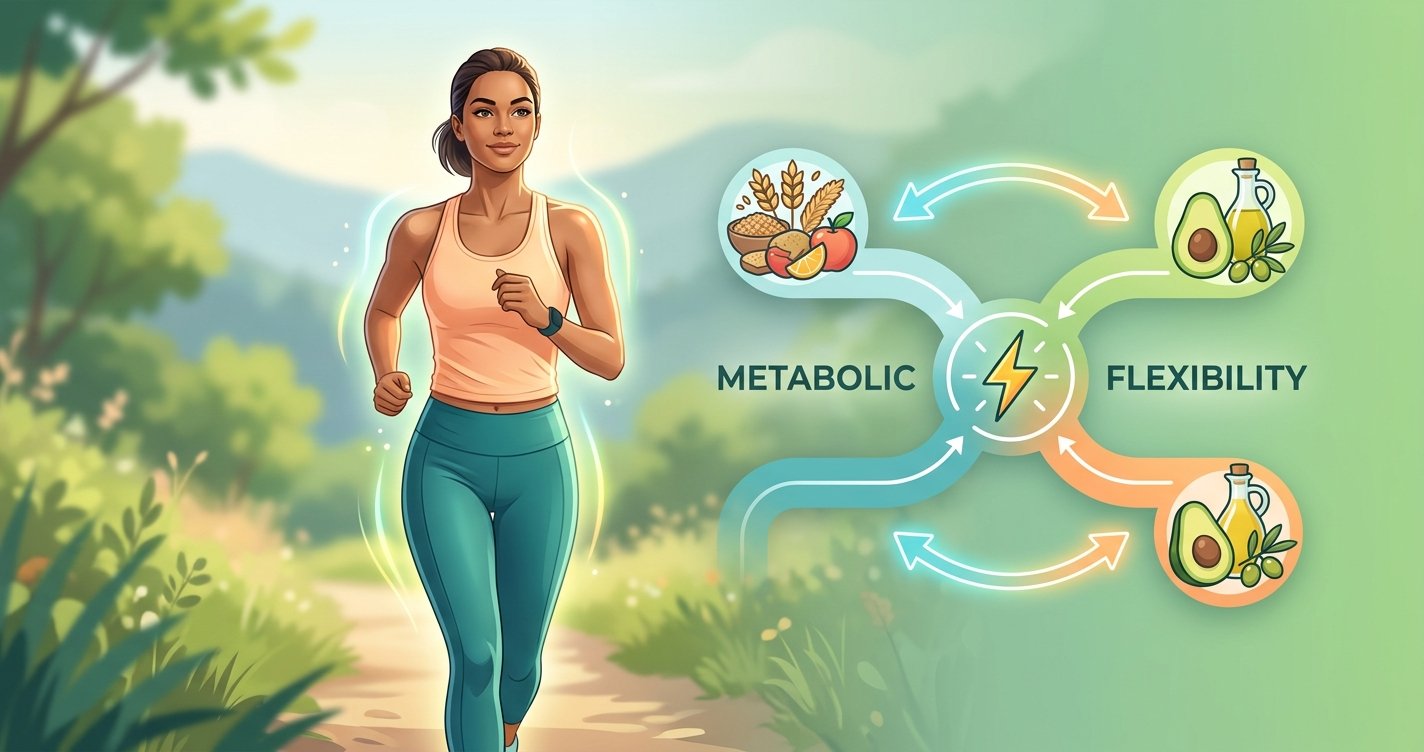
The answer lies in a powerful concept known as Metabolic Flexibility. This isn't another fad diet or extreme workout plan. Instead, it’s about optimizing your body’s innate ability to switch seamlessly between different fuel sources — primarily carbohydrates and fats — for energy. Think of your body as a hybrid car: a metabolically flexible body can effortlessly run on either gas (carbs) or electricity (fat), making it incredibly efficient and resilient. When your body is metabolically flexible, it’s much better at tapping into its fat stores for energy, even when you’re not actively working out. This is the true secret to unlocking sustainable fat loss and maintaining a healthy body composition. this excellent wellness product
What Exactly is Metabolic Flexibility? Your Body’s Fuel-Switching Superpower
At its core, metabolic flexibility is the ability of your body to adapt its metabolism to different demands and fuel sources. In simple terms, it means your cells can efficiently burn either glucose (from carbohydrates) or fatty acids (from fats) for energy, depending on what’s available and what the body needs. When you eat carbohydrates, your body primarily uses glucose. When glucose is scarce, or you’re in a fasted state, a metabolically flexible body can effortlessly switch to burning fat for fuel.
Many modern lifestyles, characterized by frequent meals, high sugar intake, and chronic stress, can lead to metabolic inflexibility. When your body becomes “stuck” primarily burning glucose, it struggles to access and utilize its stored fat for energy. This often results in constant cravings, energy crashes, difficulty losing weight, and even storing more fat. Improving your metabolic flexibility means training your body to be a more efficient fat-burner, leading to more stable energy levels, fewer cravings, and, critically, a more effective path to sustainable fat loss.
The Pillars of Building Metabolic Flexibility: Your Action Plan
Building metabolic flexibility isn't about deprivation; it’s about smart choices and consistent habits that empower your body. Here are the key strategies:
1. Fueling Your Body Smart: Diet Strategies for Adaptability
Your diet plays a pivotal role in teaching your body to become a better fuel switcher. It’s not just about what you eat, but also when and how much.
- Prioritize Whole, Unprocessed Foods: Focus on nutrient-dense foods like lean proteins, healthy fats, fiber-rich vegetables, and complex carbohydrates. These provide sustained energy and essential nutrients without the blood sugar spikes and crashes associated with refined foods.
- Embrace Healthy Fats: Don't fear fats! Healthy fats (avocado, nuts, seeds, olive oil, fatty fish) are crucial for cellular health and signal to your body that fat is an available and efficient fuel source.
- Adequate Protein Intake: Protein is king for satiety, muscle preservation, and a higher thermic effect of food. It also helps stabilize blood sugar, preventing the glucose rollercoaster that hinders fat burning. Aim for a good protein source at every meal.
- Strategic Carbohydrate Timing: While not a low-carb diet necessarily, being mindful of when you consume carbs can help. Consider focusing your carb intake around periods of higher activity (e.g., post-workout) and opting for lower-carb, higher-fat/protein meals at other times.
- Consider Time-Restricted Eating (TRE): This isn't a diet, but an eating pattern where you consume all your meals within a specific window (e.g., 8-12 hours). This allows your body extended periods in a fasted state, encouraging it to switch to burning stored fat for energy.
2. Move Your Body: Exercise for Metabolic Adaptability
Exercise is a powerful tool for improving metabolic flexibility, as it directly influences how your muscles use fuel.
- High-Intensity Interval Training (HIIT): Short bursts of intense exercise followed by brief recovery periods train your body to rapidly switch between fuel sources, making it more efficient at burning fat both during and after the workout.
- Strength Training: Building muscle mass is incredibly beneficial. Muscle is metabolically active tissue, meaning it burns more calories at rest. Furthermore, strength training improves insulin sensitivity, helping your body utilize glucose more effectively and making it easier to tap into fat stores.
- Low-Intensity Steady-State (LISS) Cardio: While not as intense, activities like brisk walking, jogging, or cycling at a moderate pace for longer durations primarily burn fat for fuel. This helps train your body’s fat-burning machinery.
- Vary Your Workouts: Incorporating a mix of these exercise types will provide a comprehensive stimulus, challenging your metabolism in different ways and enhancing overall flexibility.
3. Prioritize Recovery: Sleep and Stress Management
You can eat perfectly and exercise diligently, but if you neglect sleep and stress, your metabolic flexibility will suffer.
- Quality Sleep: Lack of sleep disrupts hormones that regulate appetite (ghrelin and leptin) and increases insulin resistance. Aim for 7-9 hours of quality sleep per night to allow your body to repair and reset its metabolic processes.
- Manage Stress: Chronic stress elevates cortisol, a hormone that can promote fat storage (especially around the belly) and increase blood sugar. Incorporate stress-reduction techniques like meditation, yoga, deep breathing, spending time in nature, or engaging in hobbies you enjoy.
The Tangible Benefits: More Than Just Fat Loss
While fat loss is a primary goal, cultivating metabolic flexibility offers a cascade of other incredible benefits:
- Stable Energy Levels: Say goodbye to the mid-afternoon slump! When your body can efficiently use both carbs and fats, you experience fewer energy crashes and more sustained vitality throughout the day.
- Reduced Cravings: Stable blood sugar and efficient fat burning mean fewer intense cravings for sugary or high-carb snacks.
- Improved Mental Clarity and Focus: Your brain thrives on stable energy. Metabolic flexibility can lead to better cognitive function and mood.
- Enhanced Athletic Performance: Athletes with metabolic flexibility can sustain performance for longer, as their bodies can efficiently tap into vast fat reserves during endurance activities.
- Better Overall Health Markers: Improved insulin sensitivity, healthier blood lipid profiles, and reduced inflammation are all hallmarks of a metabolically flexible individual.
Your Journey to a Metabolically Flexible You
Embarking on this journey doesn’t require drastic overnight changes. Start small, be consistent, and listen to your body. Perhaps begin by incorporating more whole foods, adding a few strength training sessions, or extending your overnight fast by an hour. The key is to gradually introduce habits that encourage your body to become more adaptable.
Remember, this is about empowering your body to work with you, not against you. It’s about building resilience and efficiency from within. Be patient with yourself, celebrate small victories, and understand that sustainable change takes time.
Conclusion: Embrace the Power Within
Metabolic flexibility is not just a buzzword; it’s a scientifically supported pathway to sustainable fat loss, boundless energy, and improved overall health. By making conscious choices about your diet, integrating varied exercise, and prioritizing rest and stress management, you can unlock your body’s incredible ability to burn fat efficiently and thrive.
Stop fighting your body and start training it to be the agile, adaptable fat-burning machine it was designed to be. Your journey to lasting health and a body you love starts now — by embracing the power of metabolic flexibility.