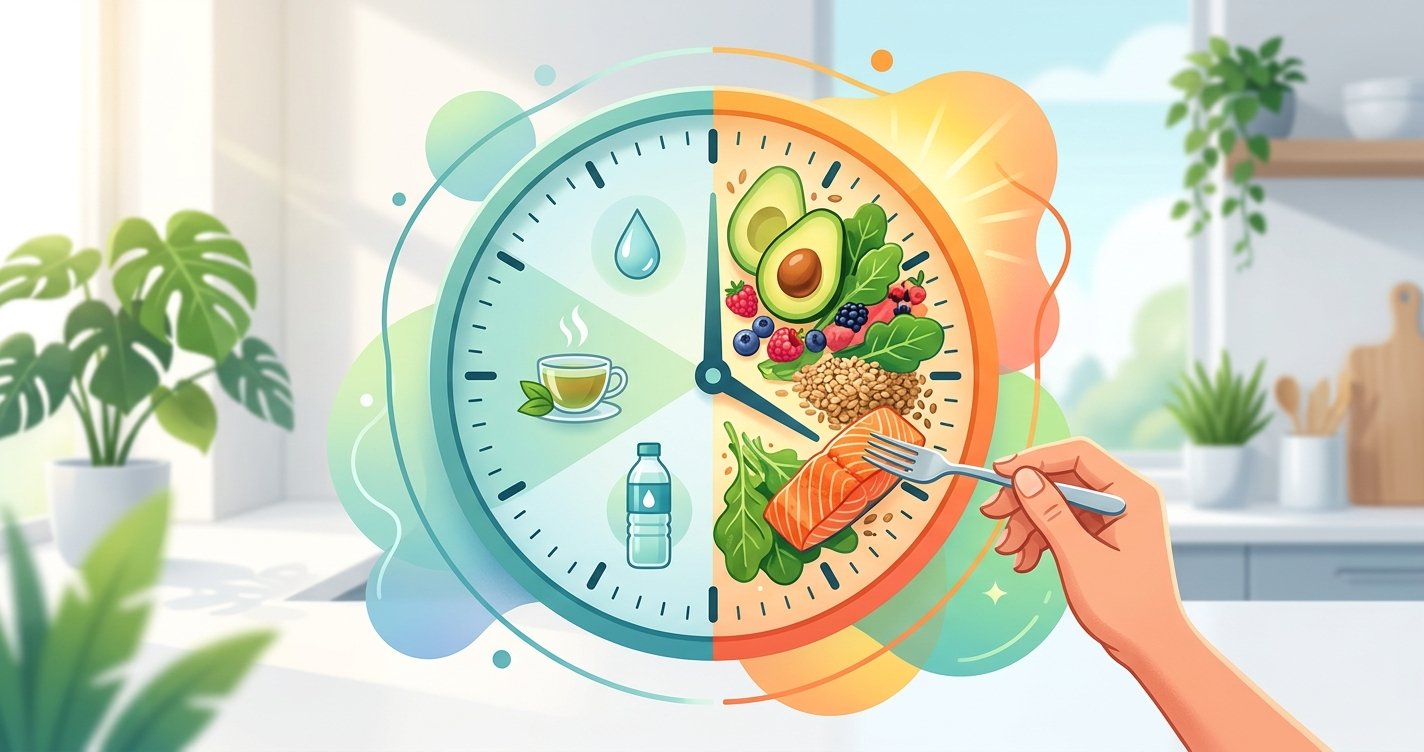
Unlock Your Fat Loss Potential: A Friendly Guide to Intermittent Fasting for Beginners
Are you feeling stuck on your fat loss journey, perhaps tired of restrictive diets that leave you feeling deprived and discouraged? You're not alone! Many people struggle to find a sustainable approach to shedding those stubborn pounds. What if we told you there's a powerful, flexible eating pattern that could not only help you achieve your fat loss goals but also boost your overall health? Enter Intermittent Fasting (IF).
Intermittent Fasting isn't a fad diet; it's a strategic approach to when you eat, rather than solely focusing on what you eat. It's gaining immense popularity for its effectiveness in promoting fat loss, improving metabolic health, and offering a refreshing alternative to traditional dieting. In this friendly, evidence-based guide, we'll demystify intermittent fasting, explore its benefits, and provide you with a clear, encouraging roadmap to integrate it into your life for sustainable fat loss. this excellent wellness product
Intermittent Fasting: What It Is (and What It Isn't)
At its core, intermittent fasting is an eating pattern that cycles between periods of eating and voluntary fasting. It’s not about starving yourself or cutting out entire food groups. Instead, it's about extending the natural fasting periods your body already goes through, primarily overnight.
What IF Is:
- An eating pattern or schedule.
- A tool to help create a calorie deficit naturally.
- Focused on when you eat.
- Flexible and adaptable to various lifestyles.
- Supported by a growing body of scientific research for metabolic health and fat loss.
What IF Isn't:
- A starvation diet.
- An excuse to eat unhealthy foods during your eating window.
- A magic bullet that negates poor dietary choices.
- One-size-fits-all (it requires some personalization).
The beauty of IF lies in its simplicity. By strategically narrowing your eating window, you give your body more time to burn stored fat for energy, rather than constantly relying on incoming food.
The Science Behind the Fast: How IF Boosts Fat Loss
So, how exactly does skipping a meal or two help you burn fat? It all comes down to a few key physiological changes that occur when your body is in a fasted state:
- Insulin Sensitivity Improvement: When you eat, your body releases insulin to manage blood sugar. Constant eating keeps insulin levels elevated, signaling your body to store fat. During a fast, insulin levels drop significantly, allowing your body to access stored fat more easily for energy. Improved insulin sensitivity also means your cells respond better to insulin, leading to more stable blood sugar and less fat storage in the long run.
- Human Growth Hormone (HGH) Boost: Fasting can dramatically increase the secretion of human growth hormone, a powerful hormone that plays a crucial role in fat burning and muscle preservation. Higher HGH levels during fasting mean you're more likely to lose fat while maintaining your lean muscle mass, which is vital for a healthy metabolism.
- Metabolic Switch to Fat Burning: After about 12-16 hours of fasting, your body depletes its glycogen (stored sugar) reserves and switches to burning stored fat for fuel. This process, known as metabolic switching, is a primary mechanism by which IF promotes fat loss.
- Autophagy Activation: While not directly related to fat loss, autophagy is a cellular "cleanup" process that gets ramped up during fasting. It removes damaged cells and regenerates new ones, contributing to overall cellular health and potentially longevity. A healthier body is more efficient at burning fat.
- Natural Calorie Deficit: Perhaps the most straightforward mechanism – by restricting your eating to a shorter window, you naturally tend to consume fewer calories overall, making it easier to create the calorie deficit necessary for fat loss without meticulously counting every morsel.
Popular IF Methods for Every Lifestyle
There are several ways to practice intermittent fasting, making it adaptable to different schedules and preferences. Here are a few popular methods, with a focus on beginner-friendly options:
-
The 16/8 Method (LeanGains Protocol): This is arguably the most popular and easiest method for beginners. It involves fasting for 16 hours each day and restricting your eating to an 8-hour window. For example, you might stop eating at 8 PM and not eat again until 12 PM the next day, effectively skipping breakfast.
Why it's great for beginners: It often aligns well with natural sleep schedules, and you can still enjoy two or three meals within your eating window.
-
The 5:2 Diet (Eat-Stop-Eat Variation): With this method, you eat normally for five days of the week and restrict your calorie intake to 500-600 calories on two non-consecutive days.
Consideration: The calorie restriction on fast days can be challenging for some, so it might be better once you're comfortable with shorter fasts.
-
Eat-Stop-Eat: This involves a 24-hour fast, once or twice a week. For example, you might finish dinner on Monday at 7 PM and not eat again until dinner on Tuesday at 7 PM.
Consideration: A full 24-hour fast can be quite challenging initially and is generally recommended for those who have experience with shorter fasting windows.
For most beginners focused on sustainable fat loss, the 16/8 method is an excellent starting point due to its flexibility and ease of integration into daily life.
Getting Started: Your Step-by-Step Guide to Intermittent Fasting
Ready to give IF a try? Here’s how to ease into it and set yourself up for success:
- Start Gradually: Don't jump straight into a 16-hour fast if you're used to eating every few hours. Begin by extending your overnight fast by just an hour or two. Maybe skip that late-night snack, or push breakfast back by 30 minutes. Build up slowly.
- Choose Your Window: For the 16/8 method, pick an 8-hour eating window that fits your lifestyle. Many people find 12 PM to 8 PM or 1 PM to 9 PM works well, as it means skipping breakfast but still having lunch and dinner.
- Stay Hydrated: This is CRUCIAL. During your fasting window, drink plenty of water, black coffee, or unsweetened tea. These zero-calorie beverages can help curb hunger and keep you feeling energized.
- Focus on Nutrient-Dense Foods: When it's time to eat, make your meals count! Prioritize whole, unprocessed foods. Think lean proteins, healthy fats, plenty of vegetables, and complex carbohydrates.
- Listen to Your Body: Intermittent fasting should feel sustainable, not punishing. If you feel unwell, dizzy, or excessively weak, break your fast. It's okay to adjust your schedule or take a day off.
Fueling Your Body: What to Eat During Your Eating Window
Remember, intermittent fasting is about when you eat, but what you eat is equally important for fat loss and overall health. Your eating window is not a free-for-all! To maximize your results:
- Prioritize Protein: Lean protein sources like chicken, fish, eggs, and legumes are essential. Protein helps you feel full, preserves muscle mass, and has a higher thermic effect (meaning your body burns more calories digesting it).
- Load Up on Fiber: Vegetables, fruits, and whole grains are packed with fiber, which aids digestion, stabilizes blood sugar, and promotes satiety.
- Include Healthy Fats: Avocados, nuts, seeds, and olive oil provide essential fatty acids, keep you feeling satisfied, and support hormone production.
- Choose Complex Carbohydrates: Opt for whole grains like brown rice, quinoa, and oats over refined carbs. They provide sustained energy and prevent blood sugar spikes.
- Avoid Processed Foods and Sugary Drinks: These undermine your fat loss efforts and negate many of the metabolic benefits of fasting. Think of your eating window as an opportunity to nourish your body with high-quality fuel.
Overcoming Hurdles: Common Questions & Tips for Success
It's normal to have questions and face challenges when starting something new. Here are some common concerns and how to address them:
- "I'm so hungry during the fast!": Initial hunger pangs are normal. Drink water, black coffee, or herbal tea. Distract yourself with an activity. Your body will adapt over time, and hunger often comes in waves.
- "What about social events?": Flexibility is key. If you have a dinner party, adjust your fasting window for that day. It's about consistency over perfection. You can also discreetly fast by opting for water or black coffee.
- "Will I lose muscle?": When done correctly (with adequate protein intake and resistance training), IF can help preserve muscle mass while burning fat, partly due to the increased HGH.
- Women and IF: Some women may need a more gentle approach, like shorter fasting windows (e.g., 14/10) or fasting less frequently. Listen to your body and consult with a healthcare professional, especially if you have hormonal imbalances or are pregnant/breastfeeding.
- Patience is Key: Fat loss is a journey, not a race. Give your body time to adapt. Consistent effort will yield results.
Beyond Fat Loss: The Broader Benefits of Intermittent Fasting
While fat loss is a primary motivator, intermittent fasting offers a cascade of other health benefits that contribute to overall well-being:
- Improved Metabolic Health: Beyond insulin sensitivity, IF can help lower blood pressure, reduce inflammation, and improve cholesterol profiles.
- Enhanced Brain Function: Studies suggest IF can boost brain-derived neurotrophic factor (BDNF), which supports brain cell growth and may protect against neurodegenerative diseases. Many people report increased mental clarity and focus during their fasts.
- Increased Energy Levels: Once your body adapts to using fat for fuel, many people experience more stable energy throughout the day, avoiding the post-meal slump.
- Longevity Potential: Animal studies suggest IF may extend lifespan by promoting cellular repair processes and improving resilience to stress.
- Simplicity: No complex meal plans or calorie counting (though being mindful of what you eat is still important). It simplifies your day and frees up time.
Conclusion: Embrace a Healthier You with Intermittent Fasting
Intermittent fasting offers a powerful, flexible, and sustainable path to not only achieve your fat loss goals but also to significantly boost your overall health and well-being. It's not about restriction or deprivation, but about optimizing your body's natural rhythms to become a more efficient fat-burning machine.
Remember to start slowly, listen to your body, prioritize nutrient-dense foods during your eating window, and stay hydrated. While intermittent fasting is generally safe for most healthy adults, it's always wise to consult with your doctor or a registered dietitian before making significant changes to your diet, especially if you have underlying health conditions.
Take the first step today. Embrace the power of intermittent fasting, and unlock a healthier, more energized, and leaner you!