Tired of Complex Diets? Discover the Power of Intermittent Fasting for Fat Loss!
In the vast world of health and fitness, where new diets pop up almost daily, it’s easy to feel overwhelmed. But what if we told you that one of the most effective strategies for sustainable fat loss isn't about what you eat, but when you eat it? Welcome to the friendly, evidence-based world of Intermittent Fasting (IF) – a powerful tool that’s gaining immense popularity for its ability to help you shed stubborn body fat, improve metabolic health, and simplify your life.
Intermittent Fasting isn't a diet in the traditional sense; it's an eating pattern. It cycles between periods of eating and voluntary fasting, and it's surprisingly natural. Our ancestors didn't have 24/7 access to food, and their bodies were well-adapted to periods of feasting and famine. This guide will cut through the noise, explain the science, and provide practical tips to help you embrace IF for effective, lasting fat loss. this excellent wellness product
What Exactly Is Intermittent Fasting? (And Why It's Great for Fat Loss)
At its core, Intermittent Fasting involves intentionally restricting your food intake for certain periods, followed by eating periods. It's crucial to understand that during your eating windows, you're not meant to binge or overcompensate; the goal is to consume healthy, nutrient-dense meals.
The magic behind IF, especially for fat loss, lies in a fundamental metabolic shift. When you eat, your body primarily uses glucose (sugar) from your food for energy. Insulin levels rise to help shuttle this glucose into your cells. When you fast, however, your body eventually depletes its glucose stores. After several hours without food, your insulin levels drop significantly, signaling your body to switch from burning sugar to burning stored fat for energy. This process is often referred to as the 'metabolic switch', and it's a game-changer for anyone looking to reduce body fat.
Popular Intermittent Fasting Methods for Sustainable Fat Loss
There isn't a one-size-fits-all approach to IF. Several methods have emerged, allowing you to choose one that best fits your lifestyle and comfort level. The key is finding a pattern you can stick with consistently.
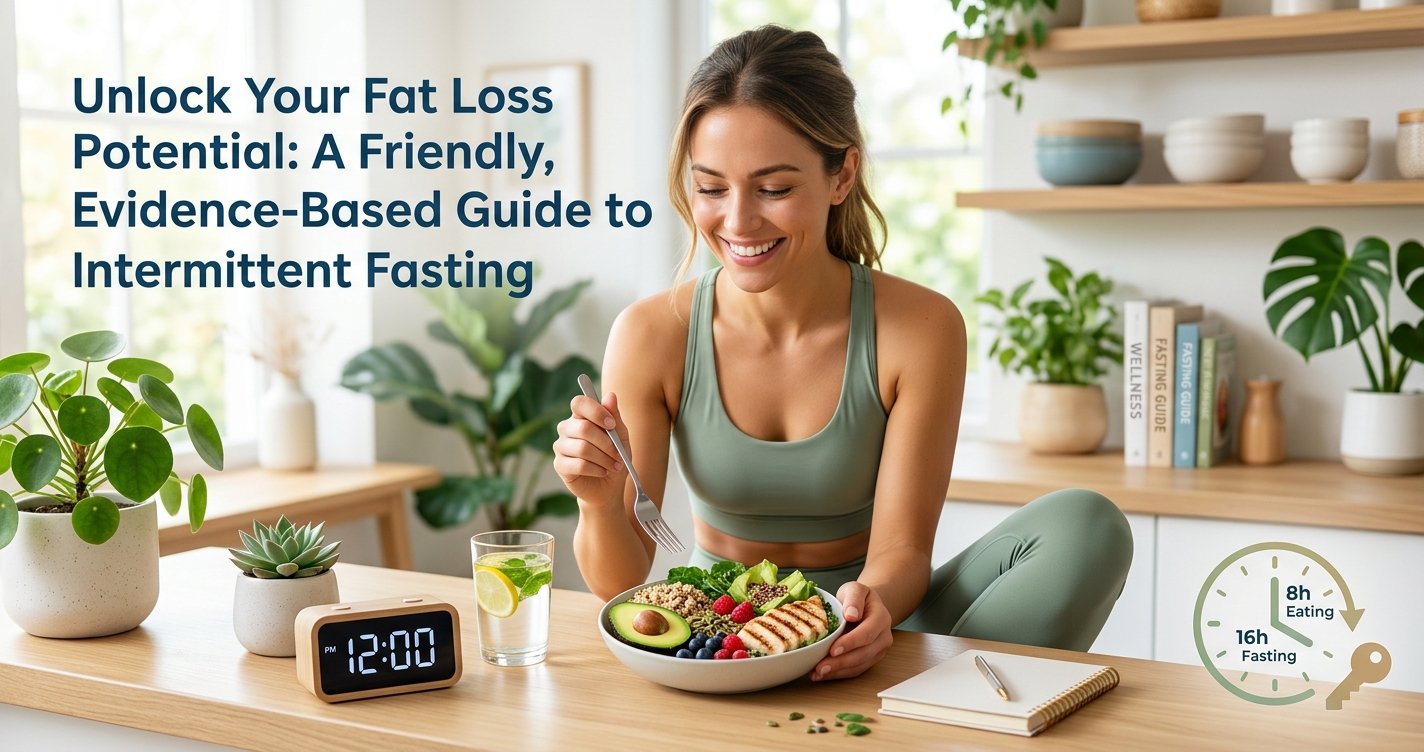
- The 16/8 Method (Leangains Protocol): This is perhaps the most popular and easiest to implement. It involves fasting for 16 hours each day and confining your eating to an 8-hour window. For example, you might fast from 8 PM to 12 PM the next day, then eat between 12 PM and 8 PM. Many people find this simple as it often just means skipping breakfast.
- The 5:2 Method: With this approach, you eat normally for five days of the week and restrict your calorie intake to 500-600 calories on two non-consecutive days. This method allows for more flexibility in your eating schedule on fasting days, but requires careful calorie counting.
- Eat-Stop-Eat: This involves a 24-hour fast, once or twice a week. For example, you might finish dinner on Monday at 7 PM and not eat again until dinner on Tuesday at 7 PM. This can be more challenging for beginners but can be very effective for breaking through plateaus.
- Warrior Diet (20/4): A more advanced method where you fast for 20 hours and have one large meal during a 4-hour eating window.
Remember, the best method is the one you can adhere to long-term. Start gently, and don't be afraid to experiment to find your personal sweet spot.
The Science-Backed Benefits: How IF Targets Fat and Boosts Health
Intermittent Fasting isn't just a fad; it's backed by a growing body of scientific research demonstrating its powerful effects on the body, particularly for fat loss and overall metabolic health.
- Improved Insulin Sensitivity: When you fast, your insulin levels drop. Consistently lower insulin levels mean your body becomes more sensitive to insulin, which is crucial for fat loss. High insulin levels can signal your body to store fat, while low insulin levels allow your body to access and burn stored fat more easily.
- Increased Human Growth Hormone (HGH): Studies show that fasting can significantly boost HGH levels. HGH is vital for fat metabolism, muscle preservation, and overall body composition. Higher HGH means you're more likely to burn fat while maintaining precious muscle mass, which is key for a healthy metabolism.
- Enhanced Autophagy: This is a fascinating cellular repair process where your body cleans out damaged cells and regenerates new ones. Fasting triggers autophagy, which can contribute to better cellular function, reduced inflammation, and improved metabolic health – all indirectly supporting your fat loss journey.
- Natural Calorie Reduction: For many, simply by shortening their eating window, they naturally consume fewer calories overall. While IF isn't solely about calorie restriction, this often unintentional reduction certainly contributes to a calorie deficit, which is fundamental for weight loss.
Beyond these direct fat-loss mechanisms, IF also positively impacts other markers of health, making it a holistic approach to wellness.
Making Intermittent Fasting Work for YOU: Practical Tips for Sustainable Fat Loss
Embarking on an IF journey for sustainable fat loss doesn't have to be daunting. Here are some friendly, practical tips to help you succeed:
- Start Gradually: Don't jump straight into a 24-hour fast. Begin with a 12-hour fast and slowly extend it as your body adapts. Even a 14/10 schedule can offer benefits.
- Hydration is Your Best Friend: During your fasting window, drink plenty of water. Black coffee, unsweetened tea, and plain sparkling water are also allowed and can help curb hunger.
- Focus on Nutrient-Dense Meals: When you do eat, make those calories count! Prioritize whole, unprocessed foods. Include plenty of lean protein, healthy fats (like avocado, nuts, olive oil), and fiber-rich vegetables and fruits. These will keep you feeling full and provide essential nutrients.
- Listen to Your Body: IF is not about suffering. If you feel dizzy, nauseous, or unusually unwell, break your fast. Pay attention to your hunger cues and energy levels. It’s a practice, not a rigid rulebook.
- Manage Your Eating Window Wisely: Avoid processed foods, sugary drinks, and excessive snacking during your eating window. Think of your eating window as an opportunity to fuel your body with goodness.
- Incorporate Strength Training: Combining IF with regular exercise, particularly strength training, can amplify your results. Building muscle helps boost your metabolism and improves body composition.
- Prioritize Sleep and Stress Management: Poor sleep and high stress levels can disrupt hormones that regulate hunger and fat storage, hindering your progress. Make sure you're getting adequate rest and finding healthy ways to manage stress.
- Consistency Over Perfection: Don't beat yourself up if you miss a fast or eat outside your window occasionally. Life happens! Get back on track with your next meal or fast.
Beyond Fat Loss: Other Potential Health Perks
While fat loss is a primary motivator for many, Intermittent Fasting offers a spectrum of other potential health benefits that contribute to overall well-being:
- Improved Brain Health: Some research suggests IF can boost brain-derived neurotrophic factor (BDNF), which supports brain cell growth and may protect against neurodegenerative diseases.
- Reduced Inflammation: Chronic inflammation is linked to many diseases. IF has been shown to reduce inflammatory markers in the body.
- Better Heart Health: Studies indicate that IF may improve various risk factors for heart disease, including blood pressure, cholesterol levels, and blood sugar.
- Potential Longevity Benefits: The cellular repair processes (autophagy) triggered by fasting are associated with anti-aging effects and increased lifespan in animal studies, with promising implications for humans.
These added benefits highlight IF as a powerful lifestyle choice that goes far beyond just shedding pounds.
Who Should Be Cautious (and When to Talk to a Professional)
While Intermittent Fasting can be a fantastic tool for many, it's not suitable for everyone. It's crucial to approach any significant dietary change with caution and, ideally, under the guidance of a healthcare professional. You should be particularly cautious or avoid IF if you are:
- Pregnant or breastfeeding: Nutritional needs are higher during these periods.
- Diabetic (especially Type 1) or on blood sugar-lowering medications: Fasting can significantly impact blood sugar levels and may lead to hypoglycemia.
- Have a history of eating disorders: IF can potentially trigger unhealthy behaviors.
- Underweight or have a very low body mass index (BMI).
- A child or adolescent: Their bodies are still growing and developing.
- Have any chronic medical conditions or are on regular medication: Fasting can interact with certain medications or exacerbate underlying health issues.
Always consult with your doctor or a registered dietitian before starting any new eating pattern, including Intermittent Fasting, especially if you have pre-existing health conditions.
Your Journey to Sustainable Fat Loss and a Healthier You
Intermittent Fasting is more than just a diet; it's a flexible, powerful eating pattern that can unlock your body's natural ability to burn fat, improve metabolic health, and simplify your approach to nutrition. By understanding the science and applying practical, sustainable methods, you can harness the benefits of IF for lasting fat loss and overall well-being.
Remember to listen to your body, prioritize nutrient-dense foods during your eating windows, and be patient with yourself. Your journey to a healthier, leaner you is a marathon, not a sprint. With a friendly, evidence-based approach, Intermittent Fasting could be the sustainable lifestyle change you've been looking for!