Unlock Your Fat Loss Potential: A Friendly Guide to Intermittent Fasting
Feeling stuck on your fat loss journey? You’re not alone! In a world full of complex diets and confusing advice, it’s easy to feel overwhelmed. But what if there was a simpler, more flexible approach that not only helps you shed those stubborn pounds but also boosts your overall health? Enter Intermittent Fasting (IF) – an eating pattern that’s gaining immense popularity not just for its fat loss benefits, but for its potential to improve metabolic health and simplify your relationship with food.
Intermittent Fasting isn't a diet in the traditional sense; it doesn't tell you what to eat, but rather when to eat. It involves cycling between periods of eating and voluntary fasting, and for many, it’s proving to be a sustainable and highly effective strategy for fat loss. Ready to explore how this powerful approach could work for you? Let's dive in! this excellent wellness product
The Science Behind Intermittent Fasting and Fat Loss
So, how exactly does simply changing your eating schedule help you lose fat? It all comes down to some fascinating metabolic shifts in your body. When you eat, your body primarily uses glucose (sugar) from your food for energy. Insulin levels rise to help shuttle that glucose into your cells.
- Insulin Sensitivity: During a fasted state, your insulin levels drop significantly. Lower insulin levels signal your body to switch from burning glucose to burning stored fat for energy. Over time, this can improve your body's sensitivity to insulin, which is crucial for preventing insulin resistance and type 2 diabetes, and for making fat loss easier.
- Metabolic Switch: When your body runs out of readily available glucose, it taps into its fat reserves. This metabolic switch from glucose-burning to fat-burning is the core mechanism behind IF's fat loss benefits. You essentially become a more efficient fat-burning machine!
- Calorie Deficit (Often): While IF doesn't restrict specific foods, by shortening your eating window, many people naturally consume fewer calories overall without feeling deprived. This spontaneous reduction in calorie intake, combined with improved fat burning, creates the necessary calorie deficit for sustainable fat loss.
- Human Growth Hormone (HGH): Studies suggest that fasting can lead to an increase in Human Growth Hormone, which is beneficial for maintaining muscle mass and promoting fat breakdown. This is great news, as preserving muscle is key to a healthy metabolism during fat loss.
It's a powerful combination that optimizes your body to tap into its own fat stores, leading to real, measurable results.
Popular Intermittent Fasting Methods
One of the best things about IF is its flexibility. There isn't a one-size-fits-all approach, allowing you to choose a method that best fits your lifestyle. Here are some of the most popular:
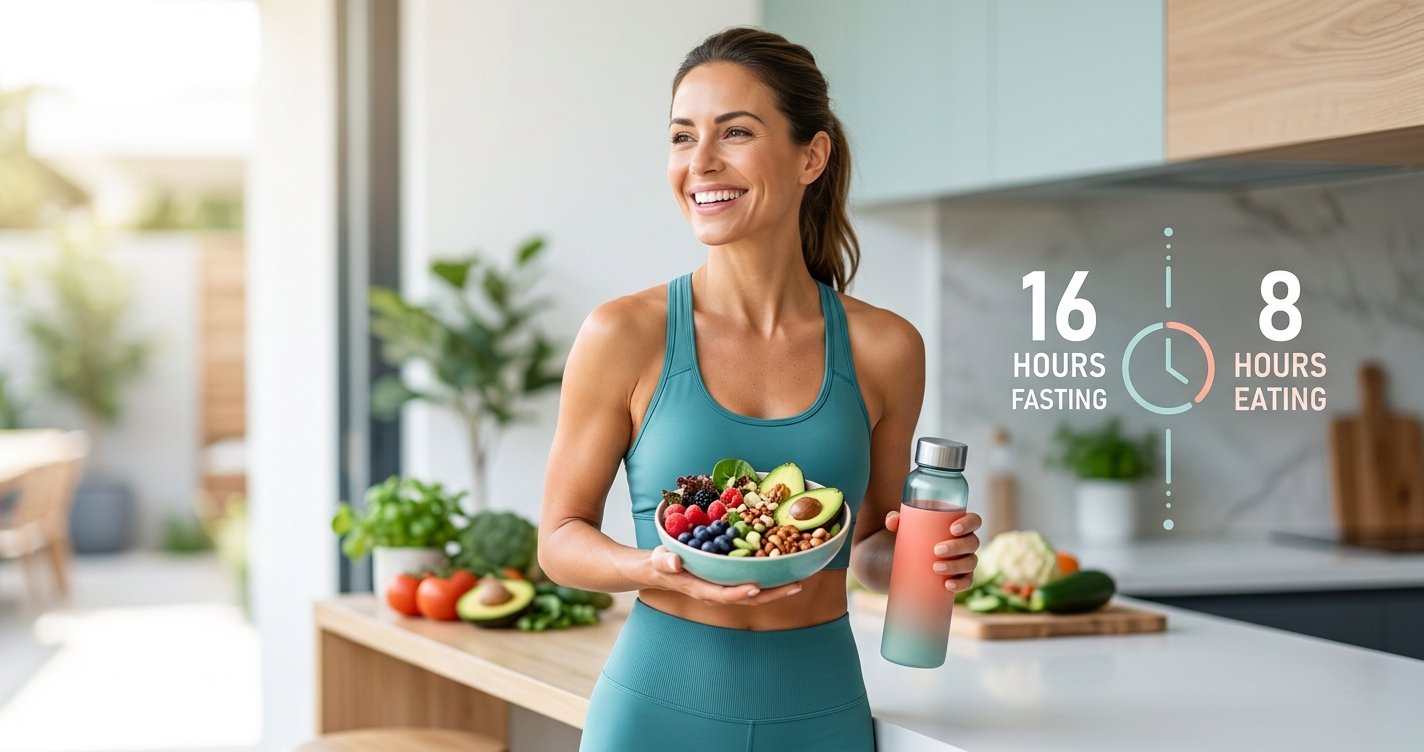
- The 16/8 Method (Leangains Protocol): This is arguably the most popular and easiest method for beginners. It involves fasting for 16 hours and having an 8-hour eating window. For example, you might skip breakfast, eat your first meal at 1 PM, and finish your last meal by 9 PM. Many people find this incredibly easy to integrate into their daily routine.
- The 5:2 Diet (Eat-Stop-Eat variation): With this method, you eat normally for five days of the week and restrict your calorie intake to 500-600 calories on two non-consecutive days. This allows for a significant calorie deficit over the week without daily restriction.
- Eat-Stop-Eat: This involves a full 24-hour fast, once or twice a week. For example, you might finish dinner on Monday at 7 PM and not eat again until dinner on Tuesday at 7 PM. This can be more challenging but is highly effective for some.
- Warrior Diet: This method involves fasting for 20 hours and having a 4-hour eating window, usually in the evening. During the fasting period, small amounts of raw fruits and vegetables are sometimes allowed.
Remember, the best method is the one you can stick with consistently. Start with the easiest and see how your body responds.
Getting Started: Your First Steps to Success
Embarking on any new eating pattern can feel daunting, but with IF, a gentle approach is key. Here’s how to set yourself up for success:
- Choose Your Method Wisely: Don't jump straight into a 24-hour fast. Start with the 16/8 method. Skip breakfast, and push your first meal a little later each day until you comfortably reach a 16-hour fast.
- Hydration is Your Best Friend: During your fasting window, you can and should drink plenty of water, black coffee, unsweetened tea, and sparkling water. These can help curb hunger and keep you feeling refreshed. Avoid anything with calories, as it will break your fast.
- Listen to Your Body: The first few days might involve some hunger pangs or slight fatigue. This is normal as your body adapts. However, if you feel consistently unwell, dizzy, or experience severe headaches, take a break and reassess. IF should feel empowering, not punishing.
- Plan Your Meals: Knowing what you’ll eat during your eating window can prevent impulsive, unhealthy choices. Focus on nutrient-dense foods to fuel your body properly.
Patience and consistency are your greatest allies. It’s a journey, not a race!
Beyond the Fast: What to Eat During Your Eating Window
While IF focuses on when you eat, the quality of what you eat during your eating window is paramount for fat loss and overall health. Intermittent fasting isn't a license to binge on junk food!
- Prioritize Protein: Protein is crucial for satiety, muscle preservation, and a healthy metabolism. Aim for a good source of lean protein at each meal, such as chicken, fish, eggs, tofu, or legumes.
- Load Up on Fiber-Rich Foods: Vegetables, fruits, and whole grains provide essential vitamins, minerals, and fiber, which keeps you full and supports digestive health.
- Include Healthy Fats: Avocados, nuts, seeds, and olive oil are vital for hormone production, nutrient absorption, and long-term satiety.
- Stay Hydrated (Still!): Continue to drink plenty of water throughout your eating window.
- Minimize Processed Foods and Sugary Drinks: These can negate the benefits of IF, lead to energy crashes, and hinder your fat loss progress. Focus on whole, unprocessed foods as much as possible.
Think of your eating window as an opportunity to nourish your body with wholesome, satisfying foods that support your fat loss goals and energy levels.
Navigating Common Challenges & Staying Consistent
Like any new habit, you might encounter a few bumps along the road. But with a little preparation and a positive mindset, you can overcome them:
- Initial Hunger: This is perhaps the most common challenge. It usually subsides after a few days or a week as your body adapts. Drink water, tea, or black coffee. Distract yourself with an activity.
- Social Situations: Dining out with friends or family can be tricky. Be honest with your friends about your new eating pattern, or simply adjust your fasting window for special occasions. Flexibility is key for long-term adherence.
- Low Energy/Headaches: Ensure you're staying well-hydrated and getting enough electrolytes (a pinch of sea salt in water can help). If symptoms persist, consider shortening your fast or ensuring you're eating enough nutrient-dense food during your window.
- Mindset Shift: Instead of viewing fasting as deprivation, reframe it as a period of rest and repair for your body. Embrace the feeling of being in control of your hunger.
Remember, consistency doesn't mean perfection. If you miss a fast or break it early, simply pick it up again the next day. Don't let one slip-up derail your entire effort.
Is Intermittent Fasting Right for YOU?
While IF offers incredible benefits for many, it's not for everyone. It's crucial to listen to your body and consult with a healthcare professional, especially if you have underlying health conditions.
IF is generally not recommended for:
- Pregnant or breastfeeding women.
- Individuals with a history of disordered eating.
- People with certain medical conditions, such as diabetes (especially if on medication), low blood pressure, or those taking specific medications.
- Children and teenagers.
For others, IF can be a powerful tool not just for fat loss, but also for improved mental clarity, better energy regulation, and a simpler approach to eating. Pay attention to how you feel, how your energy levels are, and how your body is responding.
Embrace a Sustainable Path to Fat Loss
Intermittent Fasting isn't just a trend; for many, it's a sustainable lifestyle change that offers profound benefits beyond just the numbers on the scale. By optimizing your body’s natural fat-burning mechanisms and simplifying your eating schedule, IF can be a powerful ally on your journey to sustainable fat loss and improved metabolic health.
Start small, be patient with yourself, and focus on nourishing your body with quality foods during your eating window. Combine IF with regular physical activity and adequate sleep, and you'll be well on your way to unlocking your full fat loss potential and feeling your absolute best. You've got this!