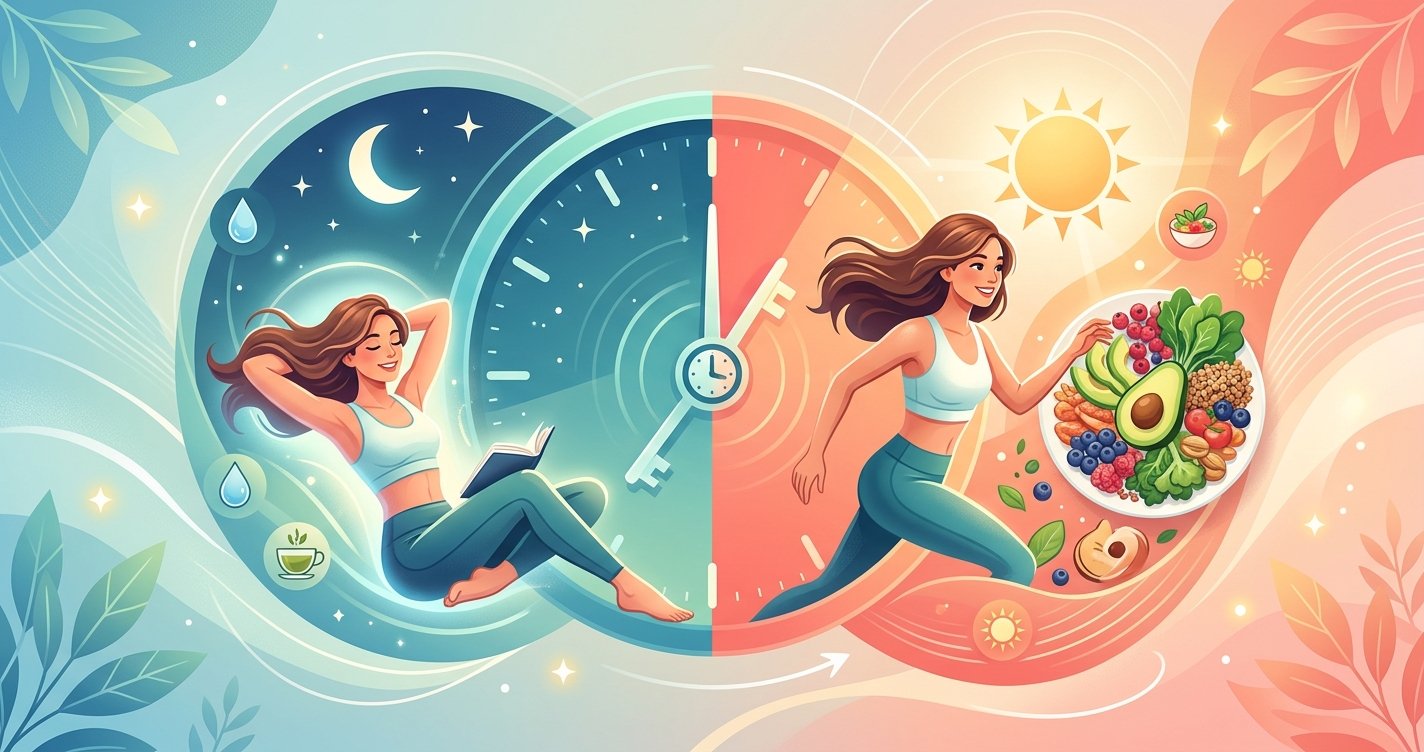
Unlock Your Fat Loss Potential: A Friendly Guide to Intermittent Fasting
Are you looking for a fresh, sustainable approach to fat loss that doesn't involve counting every single calorie or cutting out entire food groups? You're in the right place! Intermittent Fasting (IF) has gained incredible popularity, and for good reason. It's not a diet in the traditional sense, but rather an eating pattern that cycles between periods of eating and voluntary fasting. Think of it as a flexible tool that can help your body tap into its fat stores more efficiently, leading to genuine, lasting results.
Many people find traditional diets restrictive and hard to stick to. IF, on the other hand, often feels liberating, focusing more on when you eat rather than just what you eat. But does it actually work for fat loss? The evidence suggests a resounding yes, when approached correctly and sustainably. Let's dive into the science, practical methods, and how you can safely and effectively integrate intermittent fasting into your lifestyle to unlock your fat loss potential. this excellent wellness product
How Intermittent Fasting Works Its Magic for Fat Loss
The core principle behind intermittent fasting for fat loss lies in its impact on your hormones and metabolism. When you eat, especially carbohydrates, your body releases insulin. Insulin's job is to shuttle glucose (sugar) from your bloodstream into your cells for energy. When insulin levels are high, your body is in 'storage mode' and is less likely to burn stored fat.
During a fasting window, however, your insulin levels drop significantly. This shift signals your body to start using its stored energy reserves – primarily body fat – for fuel. Here's a closer look at the key mechanisms:
- Insulin Sensitivity: Lower, more stable insulin levels during fasting can improve insulin sensitivity, meaning your cells respond better to insulin when it is present. This is crucial for metabolic health and preventing fat storage.
- Human Growth Hormone (HGH) Boost: Fasting has been shown to naturally increase Human Growth Hormone levels. HGH is vital for muscle maintenance and fat burning. More HGH means your body is better equipped to preserve lean muscle mass while torching fat.
- Noradrenaline (Norepinephrine) Increase: Fasting can lead to an increase in noradrenaline, a hormone that signals fat cells to release fatty acids, making them available for energy.
- Calorie Reduction (Often): While not its primary mechanism, simply compressing your eating window often leads to a natural reduction in overall calorie intake without conscious restriction, as there's less time to eat.
By allowing your body regular breaks from constant digestion and insulin spikes, IF encourages a metabolic shift that favors fat burning, helping you achieve a sustainable calorie deficit.
Popular Intermittent Fasting Methods: Find Your Fit
One of the beauties of intermittent fasting is its flexibility. There isn't a one-size-fits-all approach, allowing you to choose a method that best suits your lifestyle. Here are some of the most popular and effective patterns:
- 16/8 Method (Leangains Protocol): This is arguably the most popular and beginner-friendly method. It involves fasting for 16 hours each day and restricting your eating to an 8-hour window. For example, you might eat between 12 PM and 8 PM, meaning you skip breakfast.
- 5:2 Diet (The Fast Diet): With this method, you eat normally for five days of the week and restrict your calorie intake to 500-600 calories on two non-consecutive days.
- Eat-Stop-Eat: This involves a 24-hour fast, once or twice a week. For instance, you might finish dinner on Monday and not eat again until dinner on Tuesday.
- OMAD (One Meal A Day): As the name suggests, this involves eating only one large meal per day, typically within a 1-2 hour window. This is a more advanced method.
For most people starting out, the 16/8 method is an excellent entry point due to its simplicity and ease of integration into daily life. It allows you to still enjoy social meals and doesn't feel overly restrictive.
Getting Started with Intermittent Fasting: A Gentle Approach
Ready to give IF a try? Here's how to ease into it for the best results and a positive experience:
- Start Slowly: Don't jump straight into a 24-hour fast. Begin with a shorter fasting window, like 12 hours, and gradually extend it to 14 or 16 hours as you feel comfortable. For example, if you finish dinner at 7 PM, try not eating again until 7 AM the next morning.
- Prioritize Hydration: During your fasting window, it's crucial to stay well-hydrated. Water, black coffee, and unsweetened tea are your best friends. These beverages can also help curb hunger pangs.
- Focus on Nutrient-Dense Foods During Your Eating Window: IF isn't a license to eat anything and everything. To maximize fat loss and overall health, fill your eating window with whole, unprocessed foods: lean proteins, healthy fats, plenty of vegetables, and complex carbohydrates.
- Listen to Your Body: This is paramount. If you feel unwell, dizzy, or excessively weak, break your fast. IF should enhance your well-being, not detract from it.
- Be Patient: It takes time for your body to adapt to new eating patterns. You might feel a little hungry or sluggish for the first few days, but this usually subsides as your body becomes more metabolically flexible.
Remember, consistency is key, but so is flexibility. If you miss a day or break your fast early, don't fret! Just get back on track with your next meal.
Beyond the Scale: Other Remarkable Benefits of Intermittent Fasting
While fat loss is a primary motivator for many, intermittent fasting offers a suite of other health advantages that contribute to overall well-being:
- Autophagy: This is your body's cellular 'cleanup crew.' During fasting, cells remove waste products and damaged components, leading to cellular repair and regeneration. This has anti-aging implications and may protect against various diseases.
- Improved Brain Health: Some research suggests IF can boost brain-derived neurotrophic factor (BDNF), which plays a role in brain cell growth and protecting against neurodegenerative diseases.
- Reduced Inflammation: Chronic inflammation is linked to numerous health issues. IF may help reduce markers of inflammation in the body.
- Metabolic Flexibility: By teaching your body to switch between burning glucose and burning fat for fuel, IF enhances your metabolic flexibility, making you less reliant on constant food intake for energy.
- Simplicity: For many, not having to plan or prepare breakfast, or fewer meals in general, simplifies their day and reduces decision fatigue around food.
These benefits reinforce that IF is more than just a fat loss tool; it's a powerful strategy for enhancing overall health and longevity.
Potential Pitfalls and How to Avoid Them
While IF offers many benefits, it's not without its potential challenges. Being aware of these can help you navigate your journey successfully:
- Overeating During Eating Windows: The biggest mistake people make is compensating for the fast by overeating or making unhealthy food choices during their eating window. This can negate the calorie deficit and lead to poor nutrient intake. Focus on balanced, whole foods.
- Nutrient Deficiencies: If your eating window meals are consistently lacking in essential vitamins and minerals, you could develop deficiencies. Ensure a diverse diet rich in fruits, vegetables, lean proteins, and healthy fats.
- Dehydration: It's easy to forget to drink enough water when you're not eating. Always keep a water bottle handy and sip throughout the day.
- Sleep Disturbances: Some individuals might experience sleep issues, especially if they fast too late or eat too close to bedtime. Experiment with your eating window to find what works best for your sleep cycle.
- Obsession and Disordered Eating: For some, focusing heavily on fasting and eating windows can trigger unhealthy relationships with food. If you have a history of disordered eating, IF might not be the best approach for you.
Staying mindful of these points and prioritizing your well-being will ensure IF remains a positive and healthy practice.
Who Should Be Cautious (or Avoid) Intermittent Fasting?
While generally safe for most healthy adults, intermittent fasting is not for everyone. Certain groups should exercise caution or avoid IF altogether:
- Pregnant or Breastfeeding Women: Nutritional needs are higher during these periods, and fasting is generally not recommended.
- Individuals with a History of Eating Disorders: IF can potentially trigger or exacerbate unhealthy eating patterns.
- People with Diabetes or Blood Sugar Regulation Issues: Fasting can significantly impact blood sugar levels. If you have diabetes, consult your doctor before considering IF.
- Individuals on Certain Medications: Some medications need to be taken with food, or their efficacy could be affected by fasting. Always consult your healthcare provider.
- Those with Low Blood Pressure: Fasting can sometimes lower blood pressure further.
- Children and Adolescents: Their bodies are still growing and developing, and IF is generally not advised.
Always consult with a healthcare professional before making significant changes to your diet or eating patterns, especially if you have underlying health conditions.
Making Intermittent Fasting Sustainable for You
The true success of any fat loss strategy lies in its sustainability. Intermittent fasting isn't meant to be a temporary fix; it's a lifestyle adjustment. Here are tips for making it a lasting part of your healthy routine:
- Flexibility is Key: Don't be rigid. If a social event or a special occasion calls for eating outside your window, do it! One day won't derail your progress. Get back on track the next day.
- Combine with Other Healthy Habits: IF works best when paired with a balanced, whole-food diet and regular physical activity. It's a powerful tool, but not a magic bullet.
- Track Your Progress (Beyond the Scale): Notice changes in your energy levels, sleep quality, mental clarity, and how your clothes fit. These non-scale victories are incredibly motivating.
- Educate Yourself: Continue learning about nutrition and metabolic health. The more you understand, the more empowered you'll feel.
- Find Your 'Why': Remind yourself of your reasons for starting IF – whether it's fat loss, better energy, improved health, or simplicity. This motivation will carry you through challenging days.
Intermittent fasting offers a compelling, evidence-based path to fat loss and improved health, empowering you to take control of your eating patterns in a way that feels natural and effective.
Your Journey to Sustainable Fat Loss Starts Now!
Embracing intermittent fasting can be a game-changer for your fat loss journey, offering a refreshing alternative to traditional dieting. By understanding how it works, choosing a method that fits your life, and approaching it with patience and mindfulness, you can harness its power to burn fat, boost your metabolism, and enjoy a host of other health benefits. Remember to listen to your body, prioritize nutrient-dense foods, and stay hydrated. With a friendly, evidence-based approach, you're well on your way to unlocking your full fat loss potential and building a healthier, happier you!