Tired of Complex Diets? Discover the Simplicity of Intermittent Fasting for Fat Loss
In a world overflowing with diet fads, meal plans, and nutritional rules that often leave us feeling more confused than empowered, what if there was a simpler, more intuitive approach to shedding unwanted fat and improving your overall health? Enter Intermittent Fasting (IF) – not just another diet, but an eating pattern that focuses on when you eat, rather than just what you eat.
Intermittent Fasting has gained significant traction for its potential to boost fat loss, enhance metabolic health, and even offer benefits beyond the scale. But what exactly is it, how does it work, and is it right for you? This friendly, evidence-based guide will demystify intermittent fasting, helping you understand its science, explore practical methods, and equip you with the knowledge to safely and effectively integrate it into your lifestyle for sustainable fat loss. this excellent wellness product
What Exactly *Is* Intermittent Fasting?
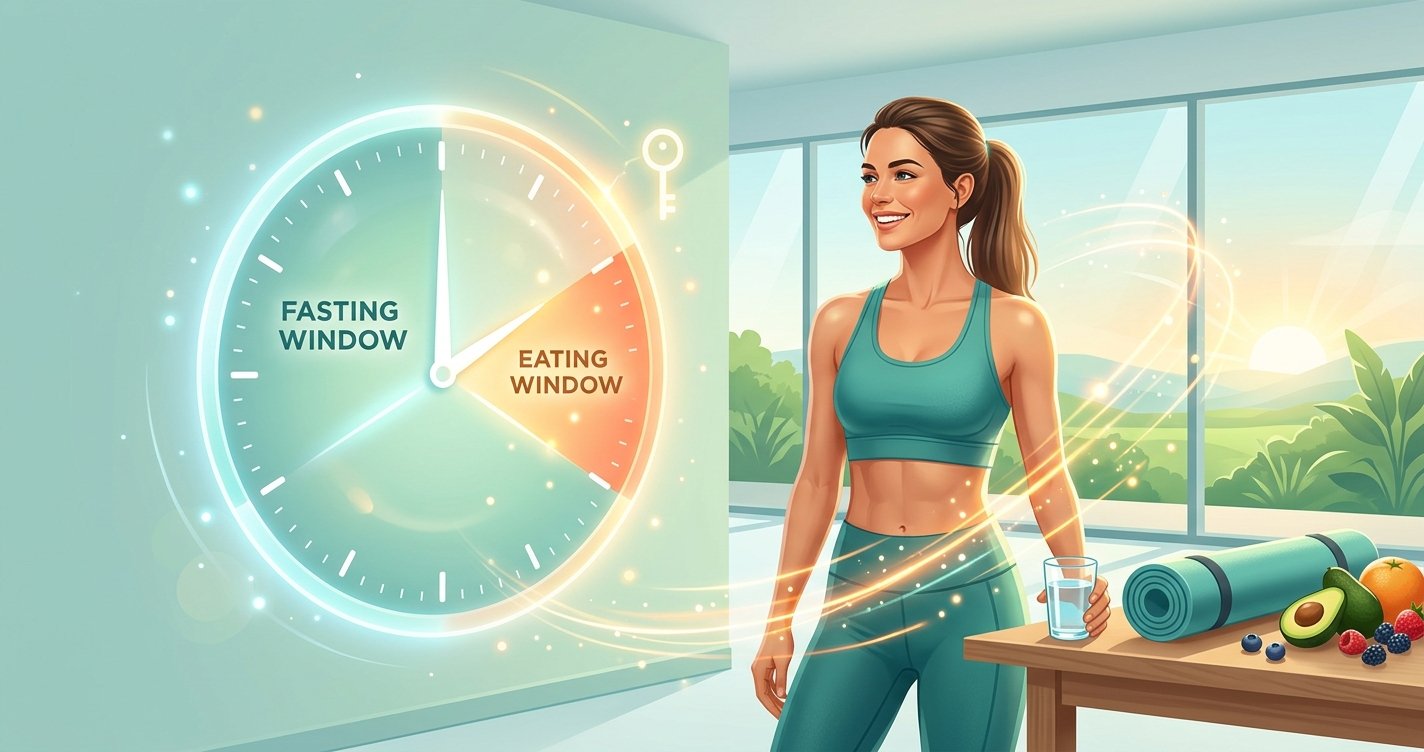
At its core, Intermittent Fasting is about cycling between periods of eating and voluntary fasting. It’s less about restricting what you eat (though healthy choices are always encouraged) and more about establishing a consistent schedule for when you eat. Think of it as giving your digestive system a regular break, allowing your body to shift its focus from digestion to other vital processes, including fat burning.
There are several popular methods of intermittent fasting, each with slightly different timings:
- The 16/8 Method: This is arguably the most popular and easiest to start. It involves fasting for 16 hours each day and confining your eating to an 8-hour window. For example, if you finish dinner at 8 PM, you wouldn't eat again until 12 PM the next day, effectively skipping breakfast.
- The 5:2 Method: With this approach, you eat normally for five days of the week and restrict your calorie intake to 500-600 calories on two non-consecutive days.
- Eat-Stop-Eat: This involves a 24-hour fast once or twice a week, for example, fasting from dinner one day until dinner the next day.
The beauty of IF lies in its flexibility, allowing you to choose a method that best fits your lifestyle and preferences. For beginners, the 16/8 method is often the recommended starting point due to its manageable fasting window.
The Science Behind Intermittent Fasting and Sustainable Fat Loss
So, how does simply changing your eating schedule lead to fat loss? The magic happens on a hormonal and cellular level:
- Insulin Sensitivity: When we eat, especially carbohydrates, our bodies release insulin to shuttle glucose into cells for energy. Constant eating keeps insulin levels elevated, making it harder for your body to access stored fat. During fasting, insulin levels drop significantly, signaling your body to start burning stored fat for energy. Improved insulin sensitivity also means your cells respond better to insulin when you do eat, leading to more stable blood sugar.
- Human Growth Hormone (HGH) Boost: Studies show that fasting can significantly increase Human Growth Hormone levels. HGH is crucial for muscle repair, growth, and importantly, fat metabolism. Higher HGH levels during fasting can help preserve lean muscle mass while promoting fat burning.
- Norepinephrine Release: Fasting can lead to an increase in norepinephrine (noradrenaline), a hormone that signals fat cells to break down stored fat into free fatty acids, which can then be used for energy. This effectively turns your body into a more efficient fat-burning machine.
- Cellular Repair (Autophagy): Fasting initiates a cellular repair process called autophagy, where cells remove old, damaged components. While not directly a fat loss mechanism, healthy cellular function is vital for overall metabolic health, which indirectly supports fat loss and disease prevention.
- Reduced Calorie Intake: For many, simply shortening the eating window naturally leads to consuming fewer calories overall, even without consciously counting them. This caloric deficit, when sustained, is fundamental for fat loss.
By leveraging these natural physiological responses, intermittent fasting helps your body tap into its fat reserves more readily and efficiently, making it a powerful tool in your fat loss journey.
Beyond the Scale: Other Health Benefits of Intermittent Fasting
While fat loss is a primary driver for many considering IF, its benefits extend far beyond just shedding pounds:
- Improved Blood Sugar Control: By enhancing insulin sensitivity, IF can be incredibly beneficial for managing blood sugar levels and may help reduce the risk of type 2 diabetes.
- Reduced Inflammation: Chronic inflammation is linked to numerous health issues. Fasting has been shown to reduce markers of inflammation in the body.
- Brain Health: Some research suggests IF can boost brain-derived neurotrophic factor (BDNF), which plays a role in brain cell growth and protection, potentially improving cognitive function and protecting against neurodegenerative diseases.
- Heart Health: IF may improve various risk factors for heart disease, including blood pressure, cholesterol levels, and blood sugar.
- Longevity: Animal studies have shown that IF can extend lifespan, likely due to its effects on cellular repair and metabolic health.
- Simplicity and Time-Saving: Skipping a meal, especially breakfast, can free up time and simplify meal planning, reducing decision fatigue.
Choosing Your Fasting Style: Popular Methods for Beginners
Ready to give it a try? Here’s a closer look at the most beginner-friendly method:
The 16/8 Method (Leangains Protocol):
This is the most common and sustainable approach for many. You fast for 16 hours and have an 8-hour eating window. For example:
- Fast from 8 PM to 12 PM the next day. This means you finish dinner by 8 PM, then skip breakfast and have your first meal (lunch) at 12 PM. You then have until 8 PM to consume your daily meals.
- What to consume during the fast: Water, black coffee, plain tea, and zero-calorie beverages are generally allowed and encouraged to help manage hunger and maintain hydration.
Many find this method easy to integrate because it often aligns with natural sleep patterns and simply involves skipping breakfast, which many people already do or can easily adapt to.
Your Step-by-Step Guide to Getting Started with Intermittent Fasting
Embarking on your IF journey can be exciting! Here’s a practical guide to help you start safely and effectively:
- Consult Your Doctor: This is especially important if you have any underlying health conditions, are on medication, are pregnant or breastfeeding, or have a history of eating disorders.
- Start Slow and Gradually: Don't jump straight into a 16-hour fast. Begin with a 12-hour fast (e.g., stop eating at 7 PM and eat at 7 AM) for a few days, then slowly extend to 14 hours, and finally to 16 hours as your body adapts.
- Prioritize Whole, Nutrient-Dense Foods: During your eating window, focus on nourishing your body with high-quality, unprocessed foods. Include plenty of lean protein, healthy fats, fiber-rich vegetables, and complex carbohydrates. This is crucial for satiety, energy, and overall health.
- Stay Hydrated: Drink plenty of water throughout the day, especially during your fasting window. Black coffee and plain tea can also help curb hunger and provide a boost.
- Listen to Your Body: Pay attention to how you feel. Mild hunger is normal, but severe discomfort, dizziness, or extreme fatigue are signs to break your fast and reassess your approach.
- Be Patient and Consistent: Like any lifestyle change, it takes time for your body to adapt. Don't get discouraged if you don't see immediate results. Consistency over time yields the best outcomes.
Mastering Your Fast: Tips for Success & Common Pitfalls
To make your intermittent fasting journey smoother and more effective for fat loss, keep these tips in mind and avoid common mistakes:
- Don't Overcompensate: The biggest pitfall is overeating during your eating window. IF isn't a license to binge. Focus on nutritious, satisfying meals.
- Manage Hunger Effectively: During your fast, distract yourself. Go for a walk, read a book, work on a hobby. Water, black coffee, and herbal teas can also help suppress hunger.
- Prioritize Sleep: Adequate sleep is crucial for hormone regulation, including those that control hunger and satiety (ghrelin and leptin). Poor sleep can make fasting much harder.
- Consider Electrolytes: For longer fasts, or if you experience headaches or fatigue, a pinch of sea salt in water can help replenish electrolytes.
- Break Your Fast Gently: Don't immediately feast on a huge, heavy meal. Start with something easily digestible, like a small portion of protein and vegetables, especially if you're new to fasting.
- Exercise Smartly: Many people find they can exercise effectively while fasted. Listen to your body and adjust intensity as needed. Some prefer to exercise towards the end of their fast, breaking it with a post-workout meal.
Is Intermittent Fasting Right for Everyone? Important Considerations
While IF offers many benefits, it's not suitable for everyone. It's crucial to approach it responsibly. You should be cautious or avoid IF if you are:
- Pregnant or breastfeeding.
- Underweight or have a history of eating disorders.
- Have certain medical conditions, especially diabetes (consult your doctor for guidance).
- Taking medications that require food intake.
- Children or adolescents.
Always prioritize your health and well-being. If you experience any adverse effects, it's best to stop and seek professional medical advice.
Unlock a Healthier You: Your Intermittent Fasting Journey Awaits!
Intermittent Fasting is more than just a trend; it's a powerful, evidence-backed tool that can help you achieve your fat loss goals and unlock a myriad of health benefits. By understanding the science, choosing a method that suits you, and approaching it with patience and consistency, you can transform your relationship with food and your body.
Remember, the goal is not perfection, but progress. Start slow, listen to your body, nourish yourself with whole foods during your eating window, and enjoy the journey towards a healthier, leaner you. Are you ready to discover the simplicity and power of intermittent fasting?