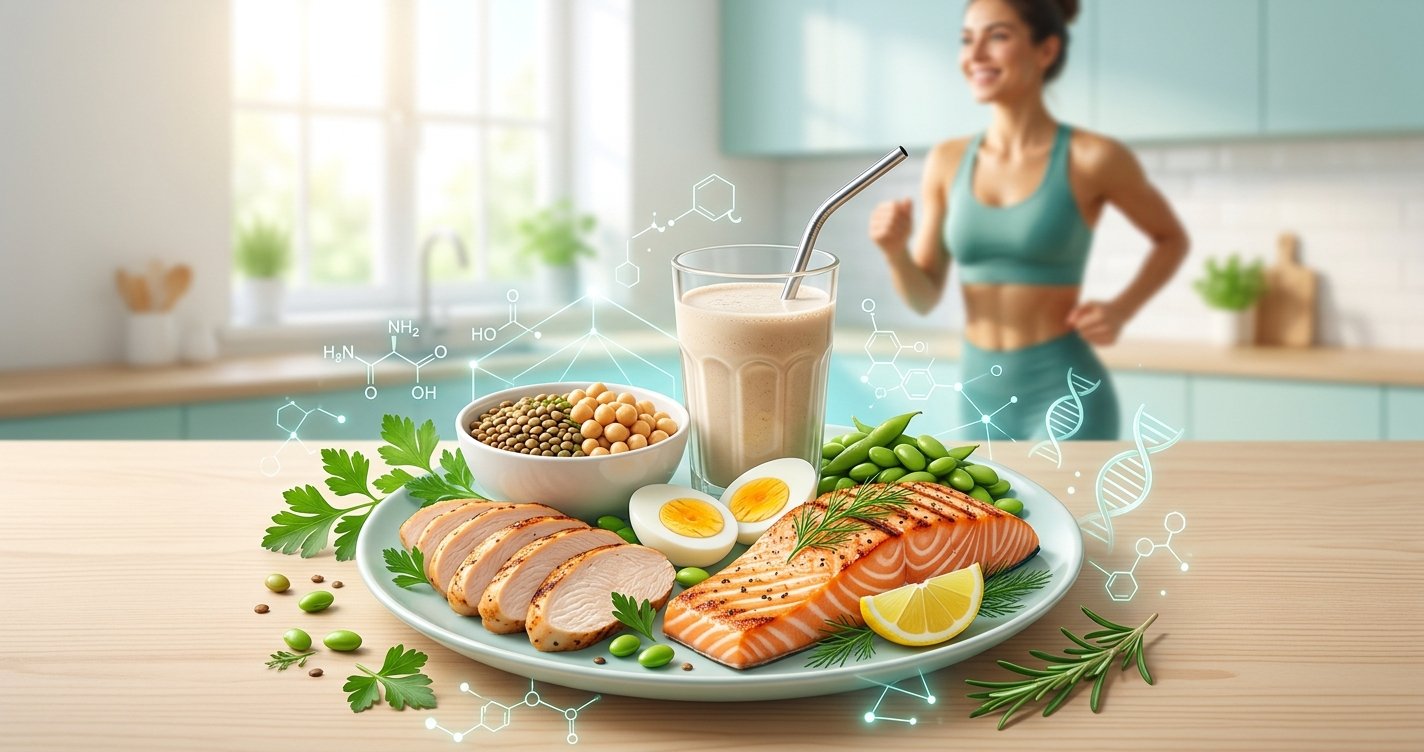
Are you on a journey to shed those extra pounds, but finding it a constant uphill battle? You've tried various diets, cut calories, and ramped up your exercise, yet sustainable fat loss seems to elude you. What if one simple, yet incredibly powerful, macronutrient could be the key to unlocking your body's fat-burning potential and helping you maintain your results for good? We're talking about protein, your unsung hero in the world of healthy, sustainable fat loss.
Often overshadowed by debates about carbs and fats, protein plays a crucial, multifaceted role in not just losing fat, but also in preserving your hard-earned muscle and keeping you feeling satisfied. It's not just for bodybuilders; it's for anyone seeking a healthier, leaner physique. In this friendly, evidence-based guide, we'll dive deep into why protein is so vital for fat loss, how much you truly need, and delicious ways to make it a cornerstone of your daily diet. this excellent wellness product
Why Protein is Your Secret Weapon for Fat Loss
Protein isn't just a building block for muscles; it's a metabolic powerhouse that can dramatically influence your body composition and overall success in fat loss. Let's explore the science-backed reasons why it deserves a prime spot on your plate.
The Satiety Superstar: Feeling Full, Longer
One of the biggest challenges in any fat loss journey is managing hunger and cravings. This is where protein shines! Protein is renowned for its ability to promote satiety – that wonderful feeling of fullness and satisfaction after a meal. Studies consistently show that a higher protein intake can significantly reduce appetite and keep hunger pangs at bay, leading to a natural reduction in overall calorie intake. When you feel fuller for longer, you're less likely to reach for unhealthy snacks or overeat at your next meal, making calorie control much easier and more sustainable.
Fueling Your Metabolism: The Thermic Effect of Food (TEF)
Did you know that your body burns calories just to digest and process the food you eat? This is known as the Thermic Effect of Food (TEF), and protein has the highest TEF of all macronutrients. While carbohydrates have a TEF of 5-10% and fats 0-3%, protein boasts an impressive TEF of 20-30%. This means that for every 100 calories of protein you consume, your body uses 20-30 calories just to digest and absorb it. Incorporating more protein into your diet can give your metabolism a slight, but meaningful, boost, helping you burn more calories around the clock.
Protecting Your Muscle: The Lean Mass Advantage
When you're in a calorie deficit to lose fat, your body can sometimes break down muscle tissue for energy, not just fat. This is detrimental because muscle is metabolically active – it burns more calories at rest than fat tissue. A higher protein intake is crucial for preserving lean muscle mass during fat loss. By providing your body with ample amino acids, protein helps signal your body to hold onto muscle, ensuring that the weight you're losing is predominantly fat, not precious muscle. This not only helps maintain a higher resting metabolic rate but also contributes to a more toned and sculpted physique.
How Much Protein Do You Really Need? (And When!)
The exact amount of protein you need can vary based on factors like your activity level, age, and fat loss goals. However, there are general guidelines that can help you optimize your intake.
General Guidelines: What the Experts Say
- For general health: The Recommended Dietary Allowance (RDA) is 0.8 grams of protein per kilogram of body weight (0.36 grams per pound). However, this is a minimum to prevent deficiency, not necessarily optimal for fat loss or muscle preservation.
- For fat loss and muscle preservation: Most research suggests aiming for 1.6 to 2.2 grams of protein per kilogram of body weight (0.7 to 1 gram per pound) for active individuals or those in a calorie deficit. For example, a 70kg (154 lb) individual might aim for 112-154 grams of protein per day.
It's always a good idea to consult with a healthcare professional or registered dietitian to determine the best protein intake for your specific needs.
Spreading It Out: Optimizing Absorption and Benefits
Rather than consuming all your protein in one large meal, try to distribute your intake evenly throughout the day. Aim for 20-40 grams of protein per meal and snack. This strategy helps maximize muscle protein synthesis, keeps you feeling fuller for longer, and ensures a steady supply of amino acids to your body, optimizing all the benefits discussed above.
Delicious Ways to Boost Your Protein Intake
Incorporating more protein into your diet doesn't have to be bland or boring. There are countless delicious and versatile options to choose from!
Lean Meats & Poultry: Classic Choices
- Chicken breast (skinless)
- Turkey breast
- Lean beef (sirloin, round, flank)
- Pork loin
- Fish (salmon, tuna, cod, tilapia) – also rich in healthy omega-3s!
Dairy & Eggs: Versatile & Nutrient-Dense
- Eggs (whole or egg whites)
- Greek yogurt (plain, high-protein varieties)
- Cottage cheese
- Skim milk or unsweetened almond/soy milk
- Hard cheeses (in moderation)
Plant-Based Powerhouses: Beyond Meat
- Lentils & beans (black beans, chickpeas, kidney beans)
- Tofu & tempeh
- Edamame
- Quinoa
- Nuts & seeds (almonds, chia seeds, flax seeds)
- Seitan
Protein Supplements: A Convenient Boost (When Needed)
While whole foods should always be your primary source of protein, supplements can be a convenient and effective way to meet your daily targets, especially after workouts or when you're short on time. Whey protein, casein protein, and plant-based protein powders (pea, rice, soy) are popular options.
Integrating Protein into Your Daily Routine (Practical Tips)
Making protein a priority is easier than you think with a few simple adjustments to your meal planning.
Breakfast Boosters
- Start your day with scrambled eggs, an omelet, or egg whites.
- Add Greek yogurt to your oatmeal or smoothie.
- Try cottage cheese with fruit.
- Opt for a protein smoothie with protein powder, fruit, and spinach.
Lunch & Dinner Strategies
- Always include a lean protein source as the centerpiece of your meal.
- Add grilled chicken, fish, or beans to your salads.
- Incorporate lentils or ground turkey into pasta sauces or chili.
- Choose protein-rich sides like quinoa instead of white rice.
Smart Snacking
- Keep hard-boiled eggs on hand.
- Grab a handful of almonds or walnuts.
- Enjoy a small container of Greek yogurt.
- Prepare a protein shake.
- Munch on edamame or a slice of turkey roll-ups.
Common Protein Myths Debunked
Let's clear up some common misconceptions about protein intake.
"Too Much Protein is Bad for Your Kidneys"
This is a widely circulated myth. For healthy individuals with normal kidney function, high protein intake has not been shown to cause kidney damage. While those with pre-existing kidney disease may need to monitor their protein intake, there's no evidence that it harms healthy kidneys. Always consult your doctor if you have concerns about your kidney health.
"Protein Makes You Bulky"
This concern is particularly common among women. Rest assured, consuming more protein will not automatically make you bulky. Building significant muscle mass requires specific training, a caloric surplus, and often, specific hormonal profiles that are more common in men. For most people, adequate protein intake, combined with strength training, will lead to a lean, toned physique, not excessive bulk.
Embrace the Power of Protein for Sustainable Fat Loss
Prioritizing protein in your diet is one of the most effective, evidence-based strategies you can adopt for sustainable fat loss. It helps you feel fuller, boosts your metabolism, and protects your precious muscle mass, all while making your journey more enjoyable and less about deprivation. By making conscious choices to include a protein source with every meal and snack, you're not just losing weight; you're building a healthier, stronger, and more vibrant you.
So, are you ready to unlock your fat loss potential? Start by evaluating your current protein intake and gradually incorporate more of these powerful foods into your daily routine. Your body (and your waistline) will thank you!