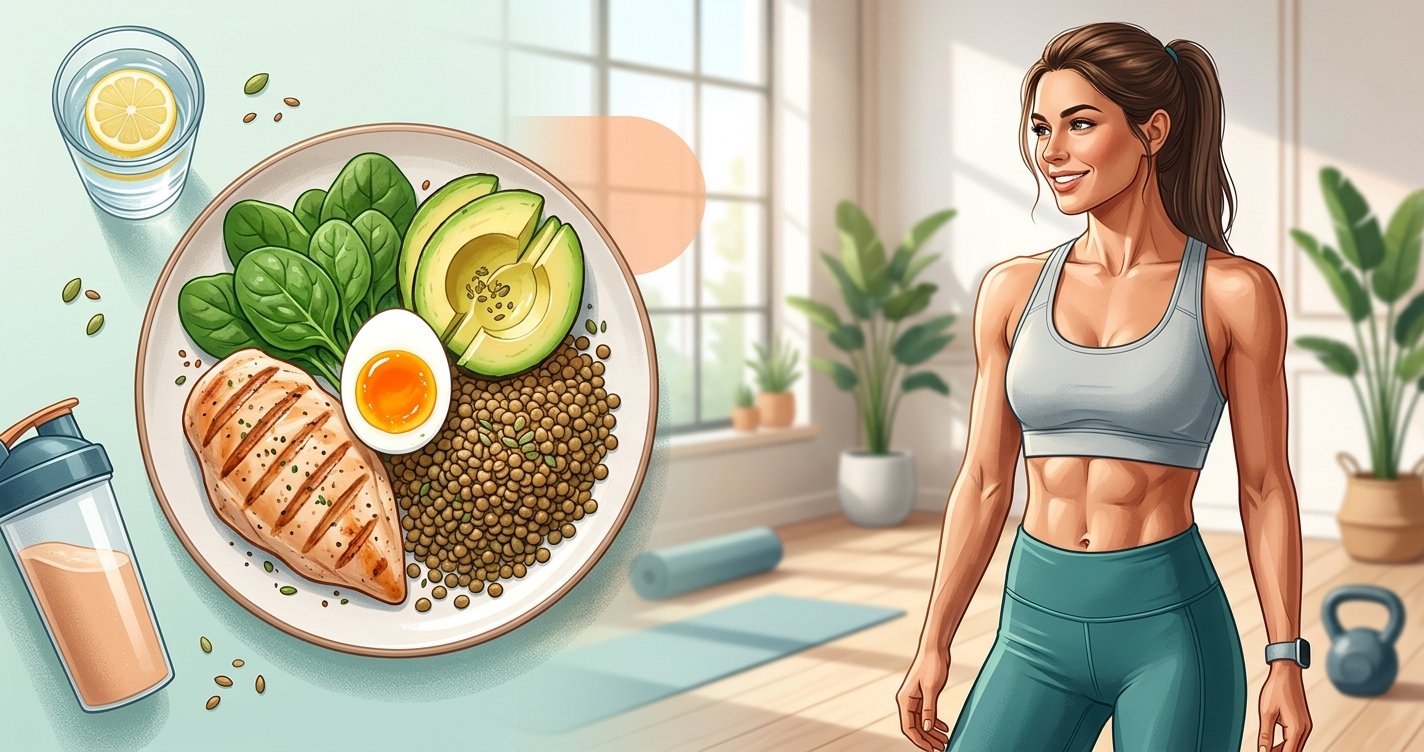
Unlock Your Fat Loss Potential: The Power of Protein for a Leaner, Stronger You
Embarking on a fat loss journey can often feel like navigating a complex maze, filled with conflicting advice and temporary fixes. Many approaches focus solely on calorie restriction, leaving you feeling hungry, deprived, and ultimately, frustrated. But what if there was a powerful, science-backed ally that could make your journey not only more effective but also more sustainable and enjoyable? Enter protein – a macronutrient often associated with bodybuilders, but truly a game-changer for anyone looking to shed fat, preserve muscle, and transform their body composition.
This isn't about extreme diets or endless cardio. It's about understanding how strategic protein intake can empower your body to burn fat more efficiently, keep you feeling satisfied, and protect the precious muscle you need for a healthy, vibrant metabolism. Get ready to discover the incredible benefits of protein and how to harness its power for lasting fat loss. this excellent wellness product
Why Protein Isn't Just for Bodybuilders: The Fundamentals of Fat Loss
At its core, fat loss requires a consistent calorie deficit – consuming fewer calories than your body burns. While this principle is simple, achieving it sustainably without feeling constantly hungry or losing muscle mass is the real challenge. Many people mistakenly believe that all calories are created equal when it comes to body composition. However, the types of calories you consume, particularly from protein, play a crucial role in how your body responds, how you feel, and ultimately, the quality of your results.
Protein is far more than just a building block for muscles; it's a metabolic powerhouse that can significantly influence your body's ability to burn fat, manage appetite, and maintain a healthy metabolic rate. Let's dive into the science-backed ways protein acts as your secret weapon in the quest for a leaner, stronger you.
The Triple Threat: How Protein Fuels Your Fat Loss Journey
1. Satiety Superstar: Feeling Fuller, Longer
One of the biggest hurdles in any fat loss journey is battling hunger and cravings. Protein is renowned for its incredible ability to promote satiety – that feeling of fullness and satisfaction after a meal. This isn't just anecdotal; it's rooted in science.
- Hormonal Impact: Protein has a powerful effect on hunger-regulating hormones. It helps suppress ghrelin (the 'hunger hormone') and boosts the production of peptide YY (PYY) and glucagon-like peptide-1 (GLP-1), which signal fullness to your brain.
- Reduced Cravings: By keeping you feeling satisfied for longer, protein naturally reduces the likelihood of reaching for unhealthy snacks between meals, making it easier to stick to your calorie goals without constant willpower battles.
- Stable Blood Sugar: Unlike refined carbohydrates, protein has a minimal impact on blood sugar levels, preventing the sharp spikes and crashes that often lead to energy dips and intense cravings.
Practical Tip: Aim to include a good source of protein at every meal and snack. This simple habit can dramatically improve your appetite control and reduce overall calorie intake naturally.
2. Metabolic Magic: The Thermic Effect of Food (TEF)
Did you know that your body expends energy just to digest, absorb, and metabolize the food you eat? This phenomenon is known as the Thermic Effect of Food (TEF), or dietary induced thermogenesis. And here's where protein truly shines.
- Higher Energy Cost: Protein has a significantly higher TEF compared to carbohydrates and fats. Roughly 20-30% of the calories from protein are burned off during digestion, compared to 5-10% for carbs and 0-3% for fats.
- Boosted Metabolism: This means that by choosing protein-rich foods, you're essentially getting a 'metabolic bonus,' burning more calories throughout the day without any extra effort. Over time, these small increases in energy expenditure can add up to a substantial difference in your fat loss progress.
While TEF alone won't magically melt away pounds, it's a valuable component of a holistic fat loss strategy, contributing to a slight but consistent increase in your daily calorie expenditure.
3. Muscle Guardian: Preserving Lean Mass During a Deficit
When you're in a calorie deficit, your body doesn't just burn fat; it can also break down muscle tissue for energy. This is a critical point because muscle is your metabolic engine. The more muscle you have, the higher your resting metabolic rate (RMR), meaning you burn more calories at rest.
- Preventing Muscle Loss: Consuming adequate protein during fat loss is crucial for preserving lean muscle mass. Protein provides the amino acids necessary for muscle repair and synthesis, signaling your body to hold onto its muscle, even when calories are restricted.
- Maintaining Metabolism: By preserving muscle, you protect your RMR from dropping too significantly, which is a common problem with conventional dieting. This makes it easier to sustain fat loss in the long run and prevents the dreaded 'rebound weight gain.'
- Improved Body Composition: The goal isn't just 'weight loss,' but 'fat loss.' By maintaining muscle and losing fat, you'll achieve a leaner, more toned physique, even if the number on the scale doesn't drastically change at first.
Prioritizing protein ensures that the weight you lose is predominantly fat, leading to a healthier, more aesthetically pleasing body composition.
How Much Protein Do You Really Need for Optimal Fat Loss?
While individual needs can vary based on activity level, age, and overall health, scientific consensus suggests that higher protein intakes are beneficial for fat loss and muscle preservation. General recommendations for active individuals aiming for fat loss typically range from 1.6 to 2.2 grams of protein per kilogram of body weight (or 0.7 to 1 gram per pound) per day.
- Example: A person weighing 70 kg (approx. 154 lbs) might aim for 112 to 154 grams of protein daily.
- Spread it Out: Instead of consuming all your protein in one meal, aim to distribute it evenly throughout the day (e.g., 20-40 grams per meal, plus snacks). This optimizes muscle protein synthesis and keeps you feeling full consistently.
It's always a good idea to consult with a healthcare professional or a registered dietitian to determine the best protein intake for your specific goals and health status.
Smart Protein Choices: Fueling Your Body Right
Now that you understand the 'why,' let's talk about the 'how.' Incorporating more protein into your diet doesn't have to be complicated or expensive. Focus on whole, unprocessed sources that also provide other essential nutrients.
Lean Protein Sources to Love:
- Animal-Based: Skinless chicken breast, turkey, lean beef (sirloin, round), pork loin, fish (salmon, tuna, cod, tilapia), eggs, Greek yogurt, cottage cheese, whey protein powder.
- Plant-Based: Lentils, beans (black beans, chickpeas), tofu, tempeh, edamame, quinoa, seitan, spirulina, nuts and seeds (in moderation due to higher fat content), plant-based protein powders (pea, soy, rice).
Tips for Increasing Protein:
- Start your day with protein: Eggs, Greek yogurt, or a protein smoothie for breakfast.
- Add protein to every meal: Top salads with chicken, add beans to soups, include fish with dinner.
- Smart snacking: Opt for hard-boiled eggs, cottage cheese, a handful of almonds, or beef jerky.
- Lean on protein powder: A convenient way to boost protein intake, especially post-workout or as a meal replacement component.
Beyond the Plate: Protein and a Holistic Approach to Fat Loss
While protein is a cornerstone of effective fat loss, remember it's part of a larger picture. For optimal and sustainable results, integrate your increased protein intake with other healthy lifestyle habits:
- Resistance Training: Lifting weights is paramount for building and preserving muscle mass, which works synergistically with protein to boost your metabolism and improve body composition.
- Balanced Nutrition: Don't forget healthy fats and complex carbohydrates. They provide essential energy, nutrients, and support overall health. Focus on whole foods and plenty of vegetables.
- Adequate Sleep: Poor sleep can disrupt hormones that regulate hunger and metabolism, making fat loss more challenging. Aim for 7-9 hours per night.
- Stress Management: Chronic stress can lead to increased cortisol levels, which can promote fat storage, especially around the midsection. Find healthy ways to manage stress.
- Hydration: Drinking enough water supports metabolism, aids in satiety, and is vital for overall bodily functions.
Your Journey to a Leaner, Stronger You Starts Now!
Protein isn't just another diet trend; it's a fundamental macronutrient that plays a critical, evidence-based role in successful and sustainable fat loss. By strategically incorporating more protein into your diet, you'll naturally feel fuller, burn more calories, and protect your metabolism-boosting muscle mass.
Embrace protein as your powerful ally, combine it with smart food choices, consistent activity, and healthy lifestyle habits, and watch as you transform your body not just by losing weight, but by truly becoming a leaner, stronger, and healthier version of yourself. Start making protein a priority today – your body will thank you!