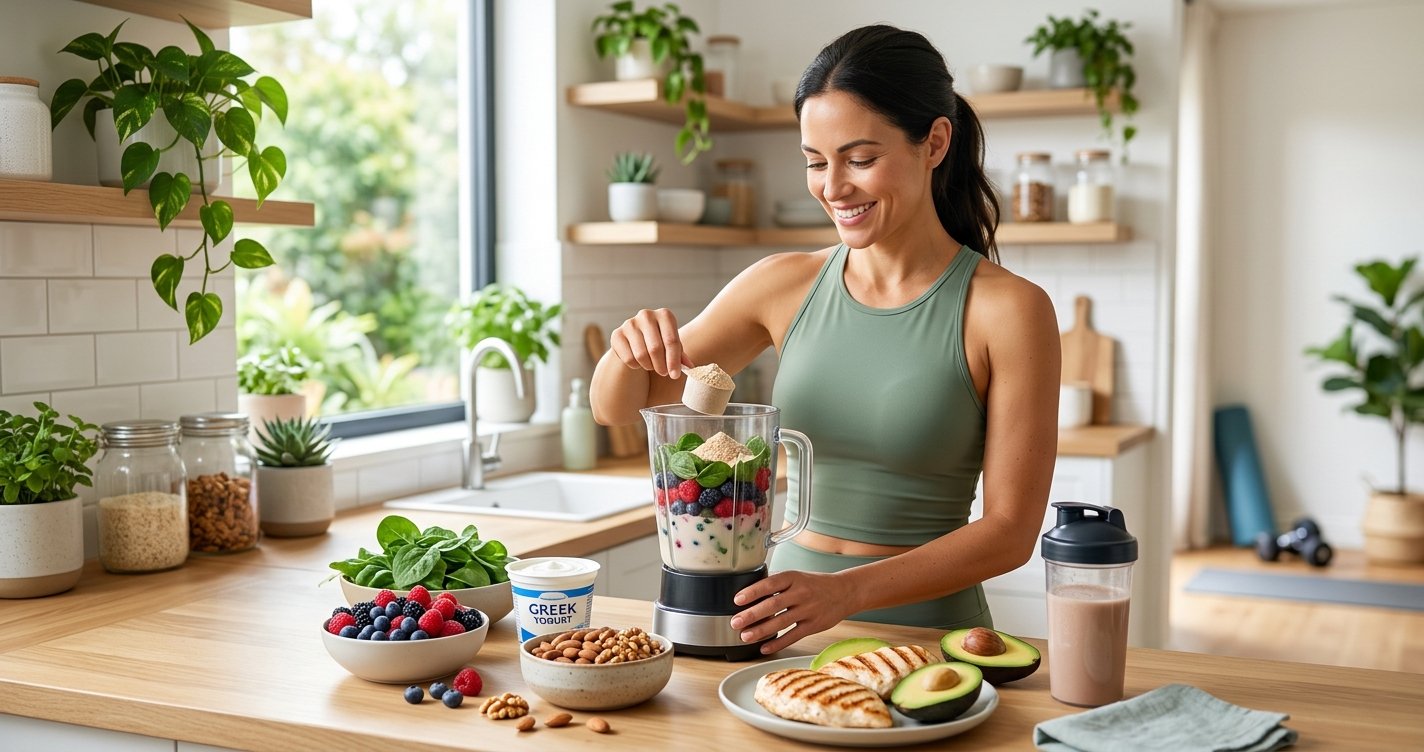
Hey there, future leaner you! Have you ever felt like you're doing everything right – eating less, moving more – but the fat just isn't budging as quickly as you'd hoped? Or maybe you're constantly battling hunger pangs, making it tough to stick to your healthy eating plan? If so, you're not alone, and I've got some fantastic news for you: there's a powerful, often underestimated ally in your fat loss journey, and it's called protein.
Forget the fad diets and extreme restrictions for a moment. Today, we're diving deep into the science-backed, incredibly effective world of protein and how optimizing your intake can revolutionize your fat loss efforts. It's not just for bodybuilders; it's for anyone looking to feel fuller, preserve precious muscle, and truly unlock their body's potential for sustainable fat loss. Ready to discover why protein is your new best friend? Let's get started! this excellent wellness product
Why Protein is Your Fat Loss MVP (Most Valuable Player)
When it comes to shedding unwanted fat, protein isn't just another macronutrient; it's a game-changer. It plays several critical roles that directly impact your ability to lose fat effectively and keep it off. Think of it as the ultimate multi-tasker for your metabolism and body composition.
1. The Satiety Secret: Keeping Hunger at Bay
One of the biggest hurdles in any fat loss journey is hunger. That constant rumbling in your stomach or the nagging urge to snack can derail even the best intentions. This is where protein shines! Protein is renowned for its incredible ability to make you feel full and satisfied for longer periods compared to carbohydrates or fats. Studies consistently show that a higher protein intake can significantly reduce appetite and overall calorie consumption. This isn't just a feeling; it's backed by how protein influences your hunger hormones, like ghrelin (the hunger hormone) and GLP-1 (a satiety hormone).
2. Burn More Calories Just By Eating? The Thermic Effect of Food (TEF)
Yes, you read that right! Your body expends energy just to digest, absorb, and metabolize the food you eat. This is known as the Thermic Effect of Food (TEF). And guess which macronutrient has the highest TEF? You guessed it – protein! Approximately 20-30% of the calories from protein are burned off during digestion, compared to just 5-10% for carbohydrates and 0-3% for fats. While it might seem like a small percentage, these extra calories burned add up over time, giving you a subtle yet significant advantage in your fat loss efforts.
3. Protecting Your Gains: Why Muscle Matters for Fat Loss
When you're in a calorie deficit (eating fewer calories than you burn) – which is essential for fat loss – your body can sometimes break down muscle tissue for energy, not just fat. This is a problem because muscle is metabolically active, meaning it burns more calories at rest than fat does. Losing muscle can slow down your metabolism, making it harder to lose fat and easier to regain it. Protein is crucial for preserving this lean muscle mass during fat loss, ensuring that the weight you lose is primarily fat, not muscle. It provides the essential amino acids your body needs to repair and build muscle, even when you're eating less.
How Much Protein Do You Really Need for Fat Loss?
This is a common question, and the answer isn't a one-size-fits-all, but there are evidence-based guidelines. For optimal fat loss and muscle preservation, most research suggests a protein intake significantly higher than the standard dietary recommendations.
- General Guideline: Aim for approximately 1.6 to 2.2 grams of protein per kilogram of body weight (or 0.7 to 1 gram per pound of body weight) per day.
- Example: If you weigh 70 kg (about 154 lbs), you'd aim for roughly 112-154 grams of protein daily. If you weigh 180 lbs, you'd target 126-180 grams.
- Considerations: Your activity level plays a role. If you're very active and regularly engage in strength training, you might benefit from the higher end of this range.
Don't get overwhelmed by these numbers! The goal isn't perfection from day one, but consistent progress. Spreading your protein intake throughout the day (e.g., 20-40 grams per meal) is generally more effective than consuming it all in one sitting.
Smart Protein Choices: Fueling Your Body Right
Now that you know how much, let's talk about what to eat. The quality of your protein sources matters just as much as the quantity. Focus on lean, whole-food sources that provide a complete amino acid profile.
Top Protein Sources:
- Lean Meats: Chicken breast, turkey, lean beef, pork tenderloin.
- Fish & Seafood: Salmon, cod, tuna, shrimp, scallops. (Bonus: many are rich in omega-3 fatty acids!)
- Eggs: The incredible, edible, versatile egg is a complete protein powerhouse.
- Dairy: Greek yogurt (especially plain, high-protein varieties), cottage cheese, milk, whey protein powder.
- Legumes & Beans: Lentils, chickpeas, black beans, kidney beans. (Great for plant-based options, often combined with grains for complete protein.)
- Plant-Based Proteins: Tofu, tempeh, edamame, quinoa, seitan, various plant-based protein powders (pea, soy, rice).
Remember, while protein powders can be convenient, prioritize getting most of your protein from whole foods, which also provide a wealth of other essential nutrients, fiber, and micronutrients.
Practical Tips to Boost Your Protein Intake Effortlessly
Integrating more protein into your diet doesn't have to be complicated or boring. Here are some simple, actionable strategies to help you hit your daily targets:
- Start with a Protein-Packed Breakfast: Ditch the sugary cereals. Opt for scrambled eggs with veggies, Greek yogurt with berries and a sprinkle of nuts, or a protein smoothie with fruit and spinach.
- Make Protein the Star of Every Meal: When planning lunch and dinner, always ensure a lean protein source is the main component of your plate, surrounded by plenty of vegetables and complex carbs.
- Smart Snacking: Instead of reaching for chips or cookies, choose protein-rich snacks like a handful of almonds, a hard-boiled egg, cottage cheese, a small serving of jerky, or a protein bar.
- Meal Prep for Success: Cook larger batches of lean protein (like chicken breast or ground turkey) at the beginning of the week to easily add to salads, stir-fries, or wraps for quick meals.
- Don't Fear the Freezer: Keep frozen shrimp or pre-cooked chicken strips on hand for last-minute meal additions.
- Utilize Lentils and Beans: Add them to soups, salads, and chili to boost protein and fiber.
- Hydrate with Protein: If you struggle to eat enough, a high-quality protein shake can be a convenient way to get extra protein, especially post-workout.
Embrace the Power of Protein for Sustainable Fat Loss
There you have it! Protein is far more than just a muscle builder; it's a critical component for anyone serious about sustainable fat loss. By understanding its roles in satiety, metabolism, and muscle preservation, you can make informed choices that empower your journey.
Remember, fat loss is a marathon, not a sprint. It's about building healthy habits that you can maintain long-term. By prioritizing protein, you're not just aiming for a number on the scale; you're nourishing your body, feeling more satisfied, and building a stronger, leaner, and healthier you. So, take these insights, start incorporating more protein into your daily meals, and watch as you unlock your full fat loss potential. You've got this!