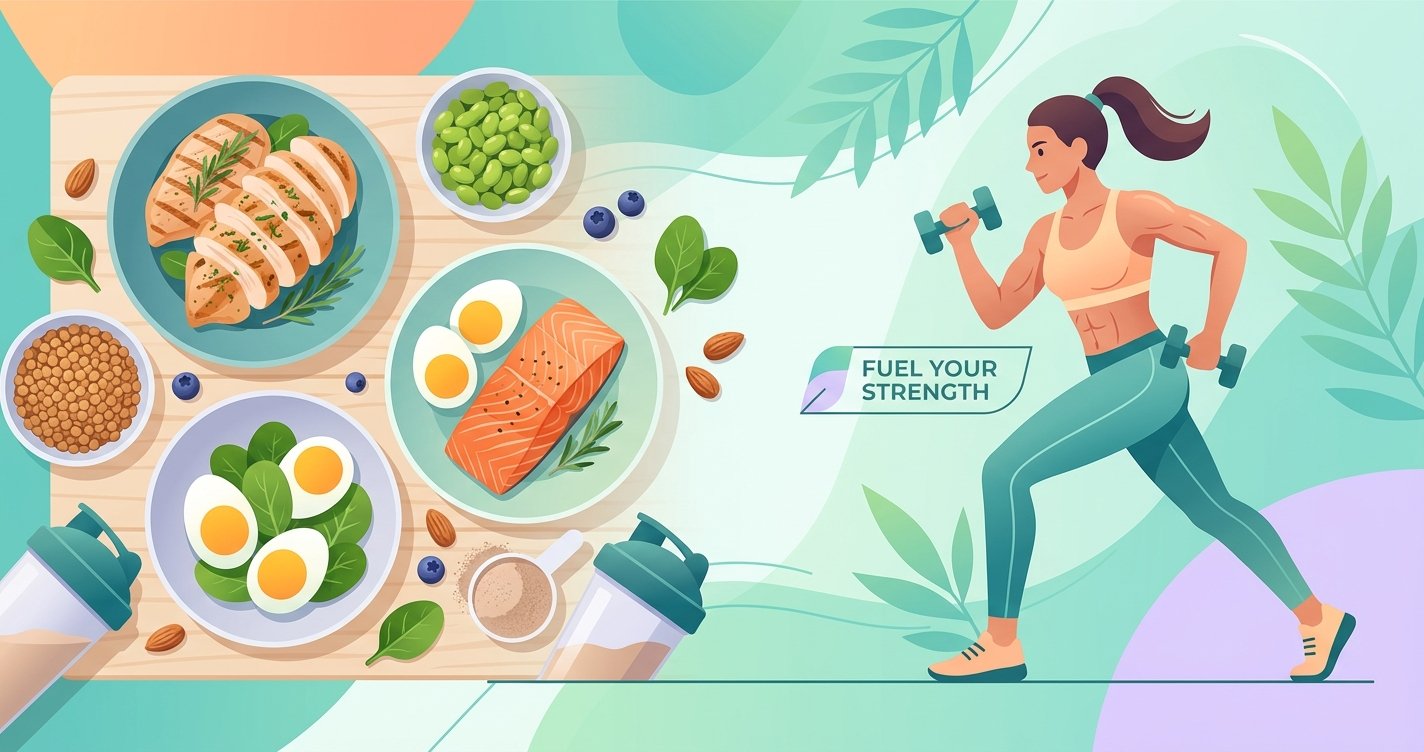
Introduction: The Protein Advantage in Your Fat Loss Journey
Are you navigating the often-confusing world of fat loss, trying countless diets and workouts, only to feel frustrated by slow progress or a constant battle with hunger? You're not alone. Many people focus solely on cutting calories or increasing cardio, overlooking one of the most powerful and often underestimated allies in sustainable fat loss: protein. It's more than just a nutrient for bodybuilders; it's a fundamental building block for a leaner, stronger, and healthier you.
In this comprehensive guide, we'll dive deep into the science-backed benefits of optimizing your protein intake for fat loss. We'll explore why protein is your secret weapon, how much you really need, the best sources, and practical tips to seamlessly incorporate more of it into your daily life. Get ready to transform your approach to fat loss, moving beyond deprivation to a strategy that truly fuels your body and your goals. this excellent wellness product
Why Protein Is Your Secret Weapon for Fat Loss
Protein isn't just about building big muscles; it plays several critical roles that directly impact your ability to lose fat effectively and sustainably.
1. The Satiety Factor: Feeling Fuller, Longer
One of the biggest challenges in a calorie deficit is managing hunger. Protein shines here. It's the most satiating macronutrient, meaning it keeps you feeling full and satisfied for longer periods compared to carbohydrates or fats. This is partly due to its effect on hunger hormones like ghrelin (the hunger hormone) and GLP-1 and PYY (satiety hormones). By including adequate protein in your meals, you're less likely to overeat or snack unnecessarily, making it easier to stick to your calorie goals without feeling deprived.
2. The Thermic Effect of Food (TEF): Burning More Calories Just by Eating
Did you know your body burns calories just to digest, absorb, and metabolize the food you eat? This is known as the Thermic Effect of Food (TEF). Protein has a significantly higher TEF than carbohydrates or fats. While carbs contribute about 5-10% and fats 0-3% of their caloric value to TEF, protein can be as high as 20-30%. This means that for every 100 calories of protein you consume, your body uses 20-30 of those calories just to process it. While not a massive amount in isolation, this metabolic boost adds up over time, contributing to your overall daily calorie expenditure.
3. Muscle Preservation: Protecting Your Metabolism
When you're in a calorie deficit to lose fat, your body can sometimes break down muscle tissue for energy, alongside fat. This is undesirable because muscle is metabolically active; it burns more calories at rest than fat does. Losing muscle means a slower metabolism, making it harder to lose weight and easier to regain it. A higher protein intake, especially when combined with resistance training, helps signal your body to preserve precious muscle mass, ensuring that the weight you lose is primarily fat, not muscle. This maintains a healthy metabolism, supporting long-term fat loss success.
How Much Protein Do You Really Need for Fat Loss?
The common dietary recommendation for protein is often around 0.8 grams per kilogram of body weight (0.36 grams per pound). However, for active individuals looking to optimize fat loss and preserve muscle, this amount is often too low. Research consistently shows that higher protein intakes are beneficial in these scenarios.
A good general guideline for fat loss is to aim for **1.6 to 2.2 grams of protein per kilogram of body weight** (or roughly **0.7 to 1.0 grams per pound of body weight**). For example, if you weigh 150 pounds (approx. 68 kg), you'd aim for 105-150 grams of protein per day. If you're particularly active, have a higher starting body fat percentage, or are significantly restricting calories, you might even benefit from the higher end of this range.
It's important to distribute this intake throughout your day rather than consuming it all in one or two large meals. This optimizes muscle protein synthesis and satiety.
Timing and Distribution: Maximizing Protein's Impact
It's not just about the total amount; *when* and *how* you eat your protein can also make a difference.
- Start Your Day with Protein: A protein-rich breakfast sets the stage for better satiety and blood sugar control throughout the day. Think eggs, Greek yogurt, cottage cheese, or a protein smoothie.
- Even Distribution: Aim to consume 20-40 grams of protein at each main meal (breakfast, lunch, dinner) and potentially in snacks. This helps keep you full and supports continuous muscle protein synthesis.
- Post-Workout: While the 'anabolic window' isn't as narrow as once thought, consuming protein after resistance training can aid in muscle repair and growth.
- Before Bed: A slow-digesting protein like casein (found in cottage cheese or casein protein powder) before bed can support muscle recovery and growth overnight.
Your Go-To Protein Sources: Quality Over Quantity
While the total amount matters, the quality of your protein sources is also key. Focus on whole, minimally processed foods.
Excellent Animal-Based Protein Sources:
- Lean Meats: Chicken breast, turkey, lean beef (sirloin, ground beef 90/10 or leaner), pork loin.
- Fish & Seafood: Salmon, cod, tuna, shrimp, sardines. These also provide beneficial omega-3 fatty acids.
- Eggs: Whole eggs are incredibly nutritious and versatile.
- Dairy: Greek yogurt, cottage cheese, milk, kefir. These are also great sources of calcium.
Excellent Plant-Based Protein Sources:
- Legumes: Lentils, chickpeas, black beans.
- Soy Products: Tofu, tempeh, edamame.
- Quinoa: A complete protein with all nine essential amino acids.
- Nuts & Seeds: Almonds, peanuts, chia seeds, flax seeds, pumpkin seeds (in moderation due to higher fat content).
- Plant-Based Protein Powders: Pea protein, rice protein, soy protein (can be a convenient supplement).
Remember, variety is the spice of life and ensures you get a broad spectrum of nutrients.
Practical Tips to Boost Your Protein Intake Effortlessly
Incorporating more protein into your diet doesn't have to be complicated or bland. Here are some simple, actionable tips:
- Make Protein a Priority: When planning meals, think about your protein source first, then add vegetables and healthy carbs.
- Snack Smart: Replace sugary or carb-heavy snacks with protein-rich options like Greek yogurt, hard-boiled eggs, a handful of almonds, or cheese sticks.
- Add Protein to Everything: Stir protein powder into oatmeal or coffee, add chicken to your salad, throw beans into soup, or sprinkle seeds on your smoothie.
- Meal Prep: Cook larger batches of lean protein (chicken, ground turkey) at the beginning of the week to easily add to meals.
- Read Labels: Pay attention to the protein content on packaged foods.
- Hydrate: Drink plenty of water throughout the day, as a high-protein diet requires more hydration.
Beyond Protein: Integrating for Overall Success
While protein is a powerful tool, it's essential to remember that it's part of a larger picture. For sustainable fat loss, you also need to consider:
- A Calorie Deficit: Protein helps you achieve this more easily, but you still need to consume fewer calories than you burn.
- Resistance Training: Lifting weights is crucial for building and preserving muscle mass, which boosts your metabolism.
- Adequate Sleep: Poor sleep can disrupt hunger hormones and make fat loss harder.
- Stress Management: Chronic stress can lead to increased cortisol levels, which can hinder fat loss.
- Fiber and Micronutrients: Don't forget your fruits, vegetables, and whole grains for overall health and satiety.
Protein works synergistically with these elements to create a robust and effective fat loss strategy.
Conclusion: Embrace the Power of Protein for Lasting Change
Optimizing your protein intake is far more than a fad; it's an evidence-based strategy that empowers you to lose fat sustainably, preserve muscle, boost your metabolism, and feel more satisfied throughout your journey. By making protein a cornerstone of your diet, you're not just cutting calories; you're building a stronger, healthier foundation for your body.
Start by gradually increasing your protein intake, focusing on whole, quality sources, and distributing it evenly throughout your day. Listen to your body, stay consistent, and combine these nutritional insights with regular physical activity and a holistic approach to wellness. The power of protein is within your grasp – unlock it, and watch as you transform your body and achieve the sustainable fat loss results you've been striving for. You've got this!